

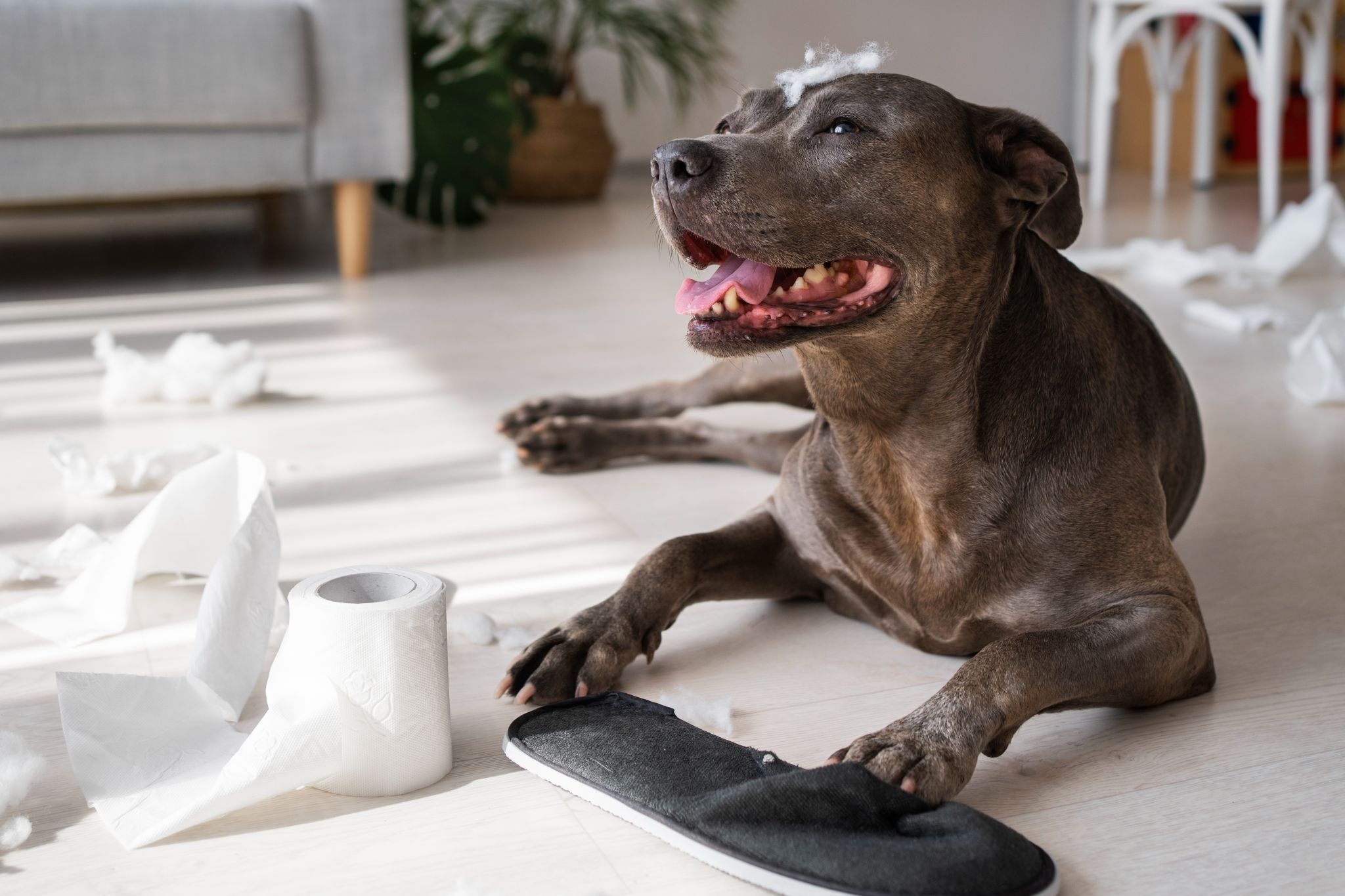
Dogs explore the world with their mouths. Puppies chew to relieve teething discomfort and adult dogs often chew out of boredom, anxiety, or curiosity. This natural behavior means that at some point, many dog owners will face the stressful situation of discovering that their dog swallowed a foreign object. Whether it is a sock, a small toy, a piece of rawhide, a button, or something pulled off the floor during a walk, a swallowed object can quickly become a medical emergency.
Knowing how to respond in the first moments after your dog ate a foreign object, understanding which symptoms signal an urgent problem, and knowing when to seek emergency vet for dogs care could save your pet’s life. This guide walks you through everything you need to know from the moment you suspect something has been swallowed to what happens during and after veterinary treatment.
Why Foreign Object Ingestion Is Serious
A foreign object that enters a dog’s digestive system does not always pass through safely. The risk depends on the size, shape, and material of the object as well as the size of the dog. Some items pass through the digestive tract without causing harm. Others become lodged in the esophagus, stomach, or intestines where they can cause partial or complete obstruction.
An obstruction blocks the normal movement of food and fluid through the gastrointestinal tract. Without treatment this leads to dehydration, tissue death from lack of blood supply, rupture of the intestinal wall, and life-threatening infection. Sharp objects carry additional risk because they can perforate the stomach or intestinal lining even before a true obstruction develops.
Some objects also carry toxicity risks. Batteries, certain metals, and plastics can leach harmful substances into the digestive system causing chemical injury in addition to physical obstruction. Acting quickly when a dog swallowed a foreign object is always the right decision regardless of whether the object looks harmless.
Items Most Commonly Swallowed by Dogs
Understanding which items pose the greatest risk helps owners be more vigilant. Some of the most frequently ingested objects include:
- Socks and underwear which can ball up and completely block the intestines
- Children’s toys and small plastic components
- Corn cobs which are a surprisingly common cause of intestinal obstruction
- Bones particularly cooked bones that can splinter
- Fruit pits and seeds
- Hair ties and rubber bands
- Fishing hooks and needles
- Coins and batteries
- String, ribbon, and dental floss which can cause a linear foreign body obstruction
- Pieces of chewed toys or bedding
String and linear objects deserve special mention. When a dog swallows toy strings or ribbon, the material can anchor in the stomach while the intestines bunch up around it as they try to move it along. This is called a linear foreign body and it is one of the most serious types of obstruction because it can cause the intestine to fold on itself or cut through the intestinal wall.
Immediate Steps to Take
If you believe your dog ate a foreign object the first priority is to stay calm and gather information quickly. Do not panic. A clear head helps you communicate effectively with your veterinarian and make the right decisions for your pet.
Step 1: Identify What Was Swallowed
Try to determine as accurately as possible what the object was, how large it was, and approximately when it was ingested. Check for chewed remnants of the object nearby to give you a better picture of what and how much was consumed. This information is critical for the veterinarian when assessing risk and determining the appropriate response.
Step 2: Do Not Induce Vomiting Without Veterinary Guidance
This is important. For some substances, vomiting can help bring the object back up before it moves further into the digestive tract. However for sharp objects, batteries, or anything with caustic material, inducing vomiting can cause additional injury as the object comes back up. Never attempt to make your dog vomit without first speaking to a veterinarian or veterinary poison control service. Let a professional guide this decision.
Step 3: Call Your Veterinarian or Emergency Clinic Immediately
Do not wait to see if your dog passes the object on their own without speaking to a vet first. Call your regular veterinary clinic right away. If it is after hours contact an emergency vet for dogs in your area. Describe what was swallowed, your dog’s size and breed, and any symptoms you are observing. The veterinarian will tell you whether to come in immediately or monitor at home.
Step 4: Watch for Warning Signs
While you are on the phone or preparing to go to the clinic monitor your dog for the following symptoms which indicate the situation is urgent:
- Repeated vomiting or retching without producing anything
- Gagging or coughing especially if the object may be lodged in the esophagus
- Excessive drooling
- Abdominal swelling or a visibly distended belly
- Obvious abdominal pain including hunching, guarding the belly, or crying out when touched
- Refusal to eat or drink
- Lethargy or weakness
- Pale or white gums
- Bloody vomit or stool
- Difficulty breathing if the object is caught in the esophagus and pressing on the airway
Any of these signs means your dog needs an emergency vet for dog care right away. For more guidance on recognizing when a pet health situation requires immediate veterinary attention, this article on emergency vet care and how to recognize when your pet needs immediate attention is a helpful reference.
What Happens at the Veterinary Clinic
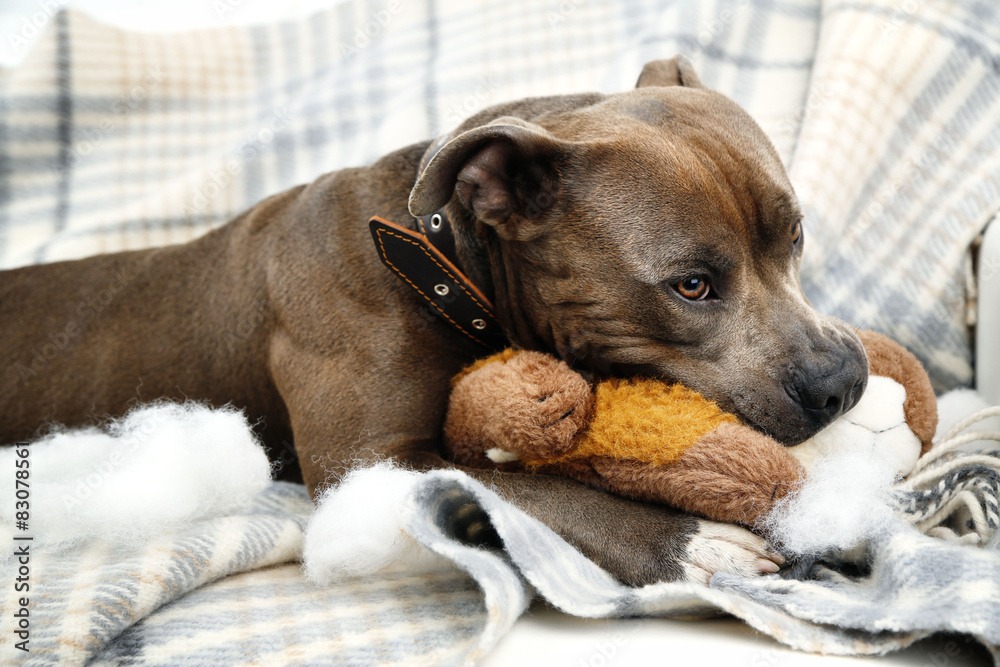
When you arrive at the clinic your veterinarian will begin by taking a thorough history including what was swallowed and when, and will perform a physical examination with careful attention to the abdomen. Based on this they will determine which diagnostic steps are needed.
Imaging
X-rays are typically the first imaging tool used. Many foreign objects show up on x-ray particularly metals, dense plastics, and bones. Soft objects like fabric or rubber may not be visible on x-ray but the patterns of gas accumulation in the bowel can suggest an obstruction even when the object itself is not visible. Ultrasound may be used to get additional detail about soft tissue structures and to check for fluid accumulation that might indicate perforation.
Treatment Options
Treatment depends on where the object is located and what it is made of.
If the object was just recently ingested and has not yet moved beyond the stomach, the veterinarian may be able to induce vomiting safely in a controlled clinical setting. This is most appropriate for non-sharp objects and only if ingestion was recent.
For objects in the stomach that cannot be safely vomited up, endoscopy is often the next option. An endoscope is a flexible camera-equipped tube that can be guided into the stomach through the mouth. The veterinarian uses this tool to locate the object and remove it with specialized grasping instruments. This approach avoids surgery entirely and allows for a much faster recovery.
When an object has moved into the intestines or is too large or sharp for endoscopic retrieval, foreign object removal surgery becomes necessary. The veterinarian opens the abdomen and carefully extracts the obstruction. In cases where the object has caused significant damage to the intestinal wall, a section of the intestine may need to be removed. This is a more involved procedure but it is frequently lifesaving. For a detailed overview of what abdominal surgery in dogs involves and what recovery looks like, this guide on dog abdominal surgery procedures and recovery provides helpful information.
After Treatment
Recovery after foreign object removal depends on the method used. Dogs treated with endoscopy typically recover quickly and can often go home the same day. Dogs who require surgery need a period of hospitalization followed by a recovery period at home with activity restriction, a controlled diet, and monitoring of the surgical site.
Your veterinarian will provide specific post-operative instructions. Following them closely is essential to avoid complications and support your dog’s healing. For more on supporting your pet after surgery, this resource on how to keep your dog or cat comfortable after surgery covers recovery care in detail.
Breeds and Dogs Most at Risk
While any dog can swallow a foreign object certain breeds and personalities are more prone to this behavior. Labrador Retrievers, Golden Retrievers, and Beagles are among the breeds most frequently presented to veterinary clinics for foreign body ingestion due to their oral nature and enthusiasm for chewing. Puppies of all breeds are at significantly higher risk simply because they explore everything with their mouths and have not yet learned which items are appropriate to chew.
Dogs with anxiety, boredom, or compulsive behaviors may also be more likely to chew and swallow inappropriate items. Ensuring adequate exercise, mental stimulation, and appropriate chew toys reduces this risk substantially.
Preventing Foreign Object Ingestion
Prevention is always preferable to emergency treatment. Some practical steps to protect your dog include:
- Keep floors, surfaces, and outdoor spaces clear of small objects your dog could access
- Store children’s toys in closed bins or rooms the dog cannot enter
- Avoid giving your dog cooked bones which splinter into sharp fragments
- Choose appropriately sized chew toys that cannot be broken into swallowable pieces
- Supervise chewing sessions especially with new toys or treats
- Ensure trash cans have secure lids your dog cannot open
- Be especially vigilant during the holidays when ribbons, tinsel, and decorations create additional hazards
Staying consistent with preventive measures reduces the likelihood of your dog encountering a situation where they eat something potentially harmful. For general guidance on keeping your pet safe from household hazards, this article on what to do if your pet eats something they should not provides a practical overview.
Conclusion
A dog swallowed foreign object demands calm and swift action. Knowing which items are most risky, recognizing the warning signs of a serious obstruction, and understanding when to contact an emergency vet for dogs can make all the difference in your pet’s outcome. Time matters enormously in these situations. The sooner an obstruction is identified and treated the better the prognosis and the less extensive the intervention needed.
At Kainer Veterinary Hospital, our team is experienced in diagnosing and treating foreign body ingestion in dogs with a range of approaches from endoscopy to surgical removal. We are here to provide prompt and compassionate care when your pet needs it most. Contact us today or come in right away if you believe your dog ate a foreign object.
FAQs
Q: How long does it take for a dog to pass a swallowed object naturally?
A: Small non-sharp objects may pass through the digestive system within 10 to 24 hours in a healthy dog. However, waiting without veterinary guidance is risky. Always consult your vet before deciding to monitor at home as some objects require immediate intervention to prevent serious complications.
Q: Can a dog pass a swallowed toy piece without surgery?
A: It depends on the size, shape, and location of the piece. Small smooth fragments may pass on their own while larger or irregular pieces are more likely to cause obstruction. Your veterinarian will use x-rays or ultrasound to assess the situation and determine whether surgical or endoscopic removal is needed.
Q: What should I never do if my dog swallowed a foreign object?
A: Never induce vomiting without veterinary guidance as this can cause additional injury with sharp or caustic objects. Also avoid waiting several days before seeking care. If your dog shows any vomiting, lethargy, or abdominal pain after swallowing something, seek emergency vet care for the dog’s care immediately.
Q: How do vets remove a swallowed object without surgery?
A: When an object is still in the stomach and was recently ingested, vets may induce vomiting in a controlled setting or use an endoscope. An endoscope is a flexible camera tool inserted through the mouth that allows the vet to locate and grasp the object without making an incision. Not all objects are suitable for this approach.
Q: How much does it cost to treat a dog that swallowed a foreign object?
A: Costs vary widely depending on the treatment needed. Induced vomiting is the least expensive option. Endoscopic removal costs more and surgical intervention is the most involved financially. Most veterinary clinics can provide an estimate after initial assessment. Pet insurance can help offset these costs significantly.