

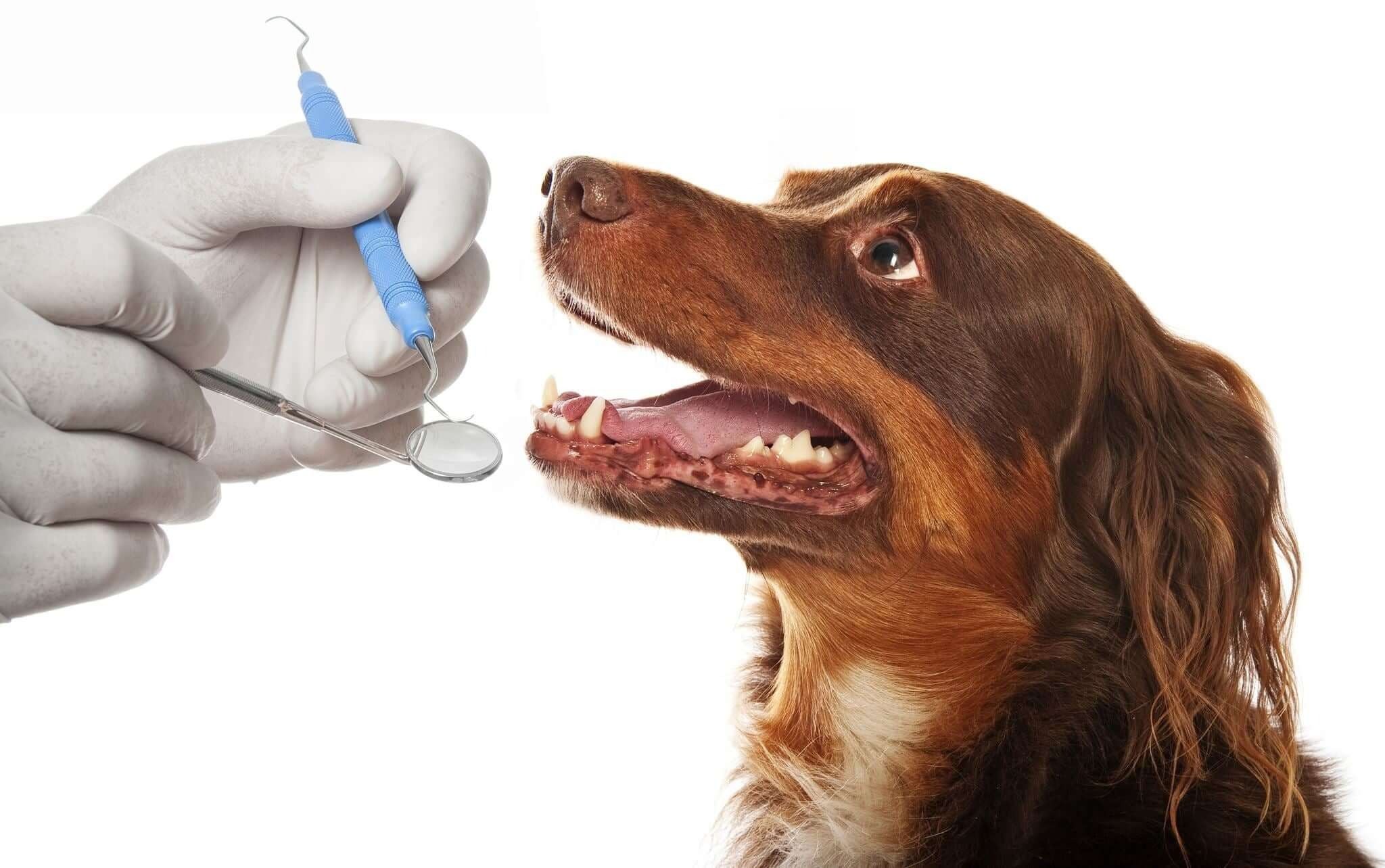
If you have recently adopted a dog or cat or are simply becoming more proactive about your pet’s health, dental care is one area that deserves serious attention. Many first-time pet owners are surprised to learn that oral disease is one of the most common health conditions diagnosed in dogs and cats. Most pets over three years of age have some degree of periodontal disease and the majority of those cases are progressing quietly without any obvious signs at home.
Pet dental scaling and polishing is the professional procedure that addresses plaque and tartar buildup at a level that home care simply cannot reach. Understanding what the procedure involves, why it is necessary, and what to expect before and after an appointment helps new pet owners make informed decisions and feel confident about committing to their pet’s oral health long term.
Why Pet Oral Health Is More Important Than Most People Realize
The Link Between Oral Health and Whole-Body Health
Most pet owners think of dental care as being about fresh breath and clean teeth. While those outcomes matter, the deeper reason oral health is prioritized in veterinary medicine is its direct connection to the rest of the body.
When plaque accumulates on the tooth surface and hardens into tartar, bacteria thrive within it. As these bacteria invade the gum tissue and establish themselves below the gumline they trigger chronic inflammation. The blood vessels running through the gum tissue provide a direct route for bacteria and inflammatory byproducts to enter the bloodstream. Once in circulation they can travel to the kidneys, liver, and heart where they contribute to organ damage over time.
Studies in veterinary medicine have consistently linked advanced periodontal disease in pets with a higher incidence of kidney and cardiac conditions. This is why addressing pet oral health is not simply about comfort and aesthetics. It is a proactive strategy for protecting long-term organ function and extending your pet’s healthy years.
How Dental Disease Progresses
Dental disease in pets follows a predictable and progressive path. Understanding the stages helps owners appreciate why professional intervention at the right time matters so much.
Stage one begins with plaque, a soft sticky film of bacteria that coats the tooth surface. In a healthy oral environment with regular brushing this plaque can be disrupted before it causes problems. When plaque remains on the teeth for more than a few days it begins to mineralize and harden into tartar, also called calculus. Tartar is firmly attached to the tooth surface and cannot be removed by brushing alone.
As tartar accumulates along and below the gumline bacteria begin to irritate the surrounding gum tissue, causing gingivitis. At this stage the gums are red, swollen, and may bleed easily. With professional cleaning and improved home care gingivitis is reversible. Without intervention it progresses to periodontitis where the infection moves below the gumline and begins destroying the bone and ligaments that hold the teeth in place. This damage is permanent. Teeth loosen, abscesses form, and in advanced cases teeth are lost entirely.
For a detailed look at how dental disease specifically affects cats and what signs to watch for at home, this guide on hidden signs of cat dental disease you might be missing covers the early warning signs thoroughly.
What Is Pet Dental Scaling and Polishing?
An Overview of the Procedure
Pet dental scaling and polishing is a professional veterinary procedure that thoroughly cleans all surfaces of a pet’s teeth including the areas at and below the gumline that are not accessible to home brushing. The procedure is performed under general anesthesia because cats and dogs will not remain still voluntarily for the detailed work required, and because the most important areas to clean are those beneath the gumline which cannot be safely or effectively addressed in an awake and moving animal.
Anesthesia-free dental cleaning, which is sometimes marketed as an alternative, cleans only the visible tooth surfaces and provides a cosmetic result without addressing the periodontal disease developing beneath the gum tissue. Veterinary organizations including the American Veterinary Dental College do not consider it an adequate alternative to proper professional cleaning.
Step by Step: What Happens During the Procedure
Pre-Anesthetic Assessment
Before the procedure begins your veterinarian will perform a physical examination and recommend pre-anesthetic blood work. This blood panel evaluates organ function including kidney and liver values to confirm your pet can safely metabolize the anesthetic agents. For senior pets or those with known health conditions this step is especially important. The results also establish a baseline for future comparisons.
Anesthesia and Monitoring
Once your pet is anesthetized a trained veterinary team member monitors vital signs continuously throughout the procedure. This includes heart rate, oxygen levels, blood pressure, and body temperature. Anesthetic monitoring in a properly equipped clinic is thorough and the risks associated with a routine dental procedure are very low when pre-anesthetic screening has confirmed the pet is healthy enough to proceed.
Full Mouth Examination
With the pet fully anesthetized the veterinarian performs a comprehensive examination of every tooth and the surrounding gum tissue. Each tooth is individually probed to measure pocket depth, which indicates how far periodontal disease has progressed below the gumline. Teeth are evaluated for fractures, excessive mobility, root exposure, and resorptive lesions which are particularly common in cats.
Dental Radiographs
Dental x-rays are a critical part of complete pet dental care. Approximately 60 percent of each tooth’s structure lies below the gumline and is completely invisible during a visual examination. Dental radiographs reveal bone loss, root abscesses, internal tooth resorption, and other conditions that would be entirely missed without imaging. Many pets have significant pathology below the gumline that looks normal on the tooth’s visible surface.
Scaling
Scaling is the process of removing plaque and tartar from the tooth surfaces. This is done using both an ultrasonic scaler and hand scalers. The ultrasonic scaler uses high-frequency vibrations to break down and remove tartar quickly and effectively. Hand scalers are used to clean more precisely in areas the ultrasonic scaler cannot access easily, particularly within the gum pockets around each tooth root.
Subgingival scaling, which refers to cleaning below the gumline within the periodontal pocket, is essential for addressing active periodontal disease and is only possible under anesthesia.
Polishing
After scaling the tooth surfaces are microscopically roughened. These microscopic irregularities trap bacteria and accelerate future plaque accumulation. Polishing smooths the tooth surface using a rotating cup applicator and a dental polishing paste. A smoother surface resists bacterial adherence more effectively and extends the time before significant plaque buildup returns. This is why polishing is always performed following scaling rather than skipping directly to post-procedure rinsing.
Irrigation and Final Rinse
After polishing the gum pockets are irrigated with an antiseptic solution to flush debris and reduce bacterial load. This step helps calm the gum tissue after the procedure.
Extractions When Necessary
If the examination and radiographs reveal teeth that are no longer viable due to advanced periodontitis, fractures, or resorptive lesions the veterinarian will discuss extraction. Removing diseased teeth that cannot be saved eliminates a source of chronic infection and pain. Many pets eat and behave noticeably better after extraction of painful teeth even when owners assumed the pet was managing fine before the procedure.
What to Expect Before and After the Procedure
Before the Appointment
The table below outlines the standard preparation steps for a pet dental scaling and polishing appointment:
| Preparation Step | Details |
| Fasting | No food from the night before, typically 8 to 12 hours. Water is usually permitted until a few hours before |
| Pre-anesthetic blood work | May be done at a pre-appointment visit or on the morning of the procedure |
| Medication review | Inform your vet of all current medications and supplements |
| Drop-off time | Pets are usually dropped off in the morning and collected in the afternoon |
| Questions | Write down any concerns about specific teeth or symptoms you have noticed |
After the Procedure
Most pets recover smoothly and are ready to return home the same day. Mild grogginess from the anesthetic is normal and resolves within hours. Your veterinarian will provide specific instructions about feeding and activity for the first 24 hours. If extractions were performed a soft food diet may be recommended for a short recovery period.
Your pet may be quieter than usual the evening after the procedure. This is a normal response to the anesthetic and resolves fully within a day for most animals. If your pet shows signs of distress, swelling, or stops eating beyond the first day contact your veterinarian.
How Often Does My Pet Need Professional Dental Cleaning?
Recommended Frequency
The frequency of pet teeth cleaning depends on your pet’s individual oral health status, breed, diet, and how well at-home care is maintained. As a general guideline most veterinarians recommend professional dental evaluation at every annual wellness visit, with cleaning scheduled based on what the examination finds. Some pets need annual professional cleanings while others with excellent home care and slower tartar accumulation may be on an 18-month or two-year schedule.
Small dog breeds accumulate tartar more rapidly than large breeds due to the relative crowding of their teeth. Cats also tend to develop significant tartar faster than owners expect. Breeds with flat faces such as Bulldogs, Persian cats, and Pugs have abnormally positioned teeth that trap food and bacteria and generally need more frequent professional care.
Regular wellness visits are the mechanism through which your veterinarian monitors dental health between cleanings and advises when a professional procedure is needed. For more on how consistent preventive care protects pet health across all systems, this article on why preventive care for pets is crucial for early detection of health issues makes the case clearly.
At-Home Dental Care Between Professional Cleanings
Building a Daily Routine
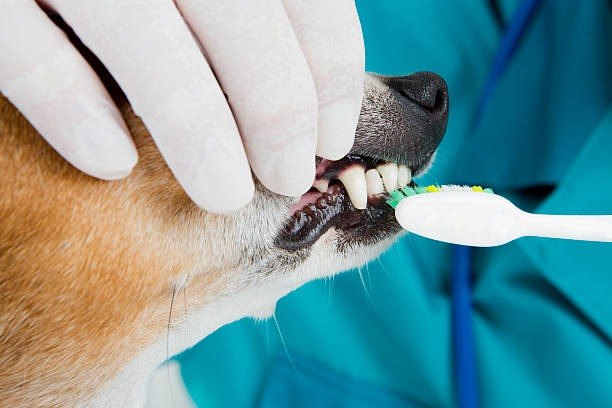
Professional pet dental scaling and polishing is most effective when combined with consistent at-home care. No professional cleaning lasts indefinitely. Plaque begins to accumulate again within 24 hours of a cleaning and tartar forms within days if plaque is not disrupted. Home care slows this accumulation and extends the interval between professional procedures.
Tooth Brushing
Daily tooth brushing is the most effective at-home dental care strategy available. Using a soft-bristled toothbrush designed for pets or a finger brush along with a pet-safe enzymatic toothpaste disrupts plaque before it can harden. Enzymatic toothpastes also provide ongoing antibacterial activity between brushing sessions. Human toothpaste must never be used in pets as it contains ingredients that are harmful when swallowed.
Many pets need a gradual introduction to tooth brushing over several weeks, starting with letting the pet lick toothpaste from a finger and progressively working toward accepting the brush at the gumline. Consistency and patience are the most important factors in making this routine successful.
Dental Diets and Dental Chews
Dental diets are formulated with a specific kibble texture and size that provides mechanical abrasion against the tooth surface as the pet chews. Products carrying the Veterinary Oral Health Council seal of acceptance have met evidence-based standards for reducing plaque and tartar accumulation. Dental chews with this seal provide a similar mechanical benefit. Neither replaces brushing but both contribute meaningfully to a complete oral care routine.
Water Additives and Dental Gels
Veterinary-approved water additives and dental gels can provide supplementary antibacterial support. These are easy to incorporate into a pet’s routine and work best alongside other home care strategies rather than as standalone solutions.
For more on the broader importance of routine dental care in pets and why it is considered a core component of preventive health, this article on the benefits of routine dental care for your pet provides a thorough overview. And for a deeper look at the systemic consequences of neglected dental health, this guide on the importance of dental health for dogs and cats explains why the mouth matters far beyond just the teeth.
Dental Care for Pets in the Montgomery Area
Finding the Right Veterinary Practice
For pet owners in the Montgomery, Conroe, and Woodlands region, access to comprehensive pet dental care Montgomery TX means not having to choose between convenience and quality. A veterinary practice that provides full dental evaluation including dental radiography, subgingival scaling, and polishing under monitored anesthesia offers a level of care that protects your pet’s oral and systemic health meaningfully over the long term.
When selecting a practice for your pet’s dental care look for one that recommends pre-anesthetic blood work as standard, performs full-mouth dental radiographs, provides individualized treatment recommendations based on examination findings, and offers guidance on at-home care following each procedure. These elements reflect a thorough approach to pet dental care rather than a surface-level cosmetic clean.
Your Pet’s Smile Starts Here
Pet dental scaling and polishing is not a luxury or an optional add-on to your pet’s healthcare. It is a fundamental component of responsible preventive care that protects against chronic pain, tooth loss, systemic infection, and the organ damage that follows from untreated oral disease. Understanding the procedure, knowing what to prepare, and building a home care routine alongside professional treatment gives your pet the strongest possible foundation for lifelong oral and overall health.
At Kainer Veterinary Hospital, we provide comprehensive dental evaluations, full-mouth radiography, professional scaling and polishing, and personalized guidance for at-home dental care. Serving pets and families across The Woodlands, Conroe, Montgomery, and surrounding communities, our team is committed to protecting your pet’s oral health at every life stage. Contact us today to schedule your pet’s dental examination.
FAQs
Q: Is pet dental scaling and polishing safe under anesthesia?
A: Yes. Modern veterinary anesthesia with continuous monitoring of heart rate, oxygen levels, and blood pressure is very safe. Pre-anesthetic blood work identifies any concerns beforehand. The risk of untreated dental disease progressing to organ damage is significantly greater than the low risk of a routine anesthetic dental procedure.
Q: How do I know when my pet needs professional teeth cleaning?
A: Signs include visible tartar on the teeth, persistent bad breath, red or swollen gums, and changes in eating behavior. Annual wellness exams allow your veterinarian to evaluate dental health and advise when professional pet teeth cleaning is needed based on examination findings.
Q: Can I skip anesthesia for my pet’s dental cleaning?
A: Anesthesia-free cleaning only addresses the visible tooth surface and provides no real treatment for disease below the gumline where most dental pathology occurs. Professional bodies including veterinary dental associations do not consider it an adequate substitute for proper cleaning under general anesthesia.
Q: How long does the dental scaling and polishing procedure take?
A: Most routine dental procedures take between one and two hours depending on the degree of tartar accumulation, the number of teeth requiring individual attention, and whether radiographs reveal additional pathology requiring treatment. Pets with advanced disease or extractions will require longer appointments.
Q: What can I do at home to reduce how often my pet needs professional cleaning?
A: Daily tooth brushing is the most effective strategy. Combining this with Veterinary Oral Health Council approved dental diets, chews, and water additives provides additional support. Consistent home care slows tartar accumulation and extends the interval between professional pet dental scaling and polishing appointments.