

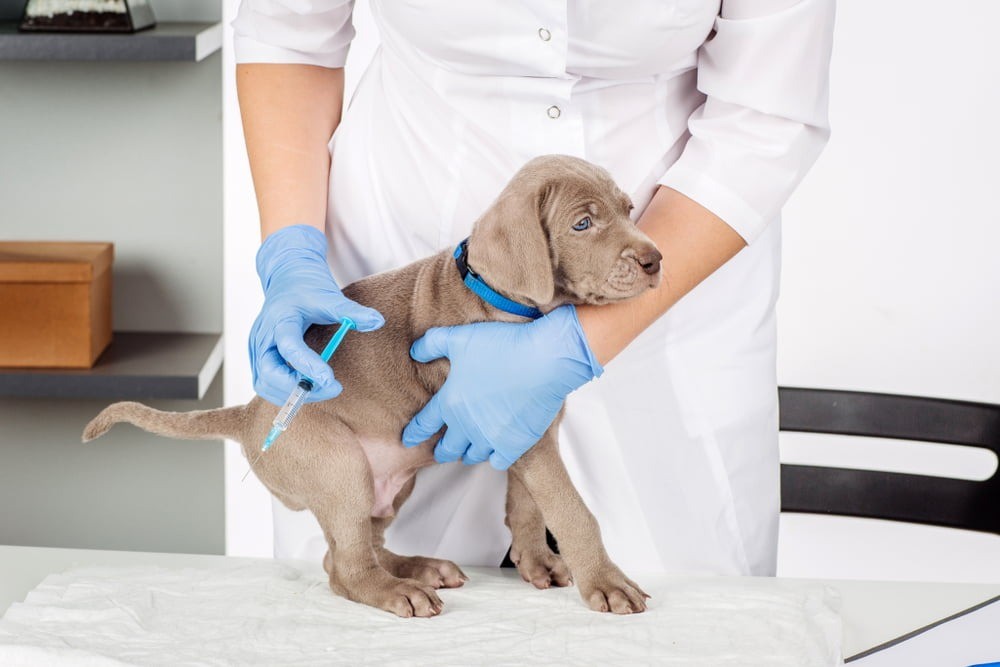
Headlines about a parasite that affects animals can leave any dog owner with questions. If you are wondering what is screw worm in dogs, how it spreads and whether your pet is at risk, this guide offers clear answers without the alarm.
Screwworm moved from a livestock headline to a pet concern when the first US case in this outbreak was found in June 2026. This guide explains what the parasite is, how it affects dogs, what signs to watch for, what treatment options the FDA has authorized and how to lower your dog’s risk.
What a Screwworm Is
The screwworm is not a worm. It is the larval stage of the New World screwworm fly, Cochliomyia hominivorax. According to the CDC, it is a species of parasitic fly that feeds on live tissue. Unlike flies that feed on dead material, screwworm larvae feed on living, warm blooded hosts. CDC notes that screwworm is not a disease that spreads from animal to animal. A female fly lays eggs in a fresh wound, and the larvae can damage tissue and cause serious bacterial infections.
How the Screwworm Life Cycle Works
Purdue Extension, summarizing USDA, describes the cycle. A female lays eggs on a wound or body opening. The eggs hatch into larvae that burrow in and feed on living tissue. After about 7 days of feeding the larvae drop to the ground and pupate in the soil. An adult fly emerges after 7 to 54 days, depending on temperature and humidity. A wound that is left untreated can keep feeding larvae the whole time, which is why timing matters.
Where the Screwworm Situation Stands
The parasite was eradicated from the United States decades ago. CDC reports that an outbreak that began in Panama and Costa Rica in 2023 has spread through Central America and Mexico, with more than 209,400 animal cases reported there. USDA confirmed the first US animal case on June 3, 2026, in a calf in Zavala County, Texas. By June 9 the total was six US cases, including calves in Zavala and La Salle counties and the dog in Andrews County.
USDA and the Texas Animal Health Commission are responding with sterile fly releases, surveillance and animal movement controls. CDC’s page, updated October 7, 2026, directs readers to screwworm.gov for the latest animal case counts. Check that page and the state’s zone maps for the current picture in your area.
How Screwworm Affects Dogs
USDA describes screwworm as a pest that threatens livestock, pets, wildlife and, in rare cases, people. For a dog the risk is an open wound. A scrape, a surgical site, a tick bite, a sore ear or irritated skin can all attract a fly. Dogs are not protected by living indoors if they go outside. The FDA states that most dogs in the United States are at low risk of exposure because of where they live, and that dogs near the US and Mexico border and dogs that have traveled to countries with active screwworm are more likely to be exposed.
Signs of Screwworm in Dogs
USDA advises owners and veterinarians to look for larvae and eggs in or around body openings such as the nose, ears and genitals. CDC lists the signs in people, and they match what owners would see in a dog. Watch for:
- A wound that does not heal or keeps getting bigger
- A foul smelling odor from a wound or body opening
- Bleeding or discharge from a sore that was dry
- Maggots or movement in a wound
- Intense licking or biting at one spot
- Rapid worsening of a wound within a day or two
- Lethargy or poor appetite as the infestation advances
A wound with any of these signs needs a veterinarian the same day. For help spotting changes early, see this article on how to spot early signs of illness in your pets. For how wounds normally progress, see this guide on the stages of your dog’s infected wound healing.
What to Do If You Suspect Screwworm in Your Dog
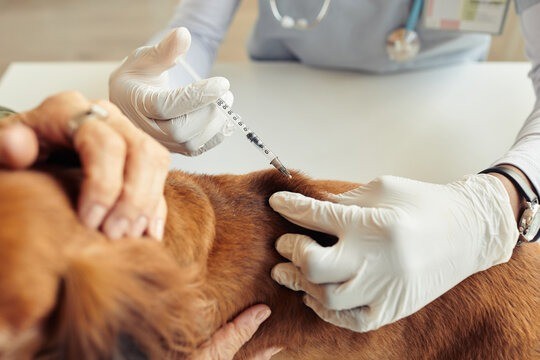
[Featured image 2: keep as published]
Call your veterinarian right away and describe the wound, when you noticed it and whether you saw larvae. CDC advises people not to remove maggots themselves, and the same caution applies to a dog. Your veterinarian will clean the wound, remove larvae and decide whether more treatment is needed. Veterinarians are asked to report suspected cases to the state animal health official and APHIS. For when to go to an emergency clinic, see this guide on emergency vet care and how to recognize when your pet needs immediate attention.
What Treatments Are Authorized for Dogs
The FDA has conditionally approved Credelio Quattro-CA1, a lotilaner combination tablet, for treating screwworm larvae infestations in dogs and puppies at least 8 weeks old and 3.3 pounds. FDA explains that conditional approval means the drug is safe and has a reasonable expectation of effectiveness, pending full demonstration. It is available by prescription only. FDA also notes that products in this drug class have been linked to neurologic reactions such as tremors, ataxia and seizures.
| Product | Status for dogs | What it is for |
| Credelio Quattro-CA1 (lotilaner combination) | FDA conditional approval, December 2025 | Treating screwworm larvae infestations |
| Credelio (lotilaner) | FDA emergency use authorization | Treating screwworm infestations |
| Bravecto (fluralaner) | No screwworm authorization for dogs that I found. Fluralaner has a conditional approval for cattle | Not authorized for screwworm in dogs |
A veterinary infectious disease specialist’s review notes that isoxazoline drugs, which include fluralaner, have shown efficacy against screwworm, and that none of the products has approval for prevention in dogs and cats. Whether an existing flea and tick product has any effect on screwworm is something to ask your veterinarian. It should not be assumed. For general parasite protection, see this guide on the benefits of Bravecto Quantum for dogs.
Reducing Your Dog’s Risk
Wound care is the practical defense. Inspect your dog after outdoor time. Keep cuts clean and covered. Treat ear infections, skin fold irritation and eye discharge promptly. Protect surgical sites and check them several times a day. Keep dogs away from areas where deer and other wildlife are active. Regular wellness visits help keep minor problems from becoming wounds. For more, see this article on why preventive care for pets is crucial for early detection of health issues and this resource on what you should know about parasites and your pet’s health.
What the Sources Cannot Tell You
The situation is changing, and the figures above are from June 2026 releases and a CDC page dated October 7, 2026. The sources describe the parasite and the authorized treatments. They do not say whether a given product prevents infestation, and they do not name a distance or risk level for your address. Only USDA’s current case page and your veterinarian can do that.
Staying Ready Without Panic
Screwworm in dogs is a serious but uncommon event. Knowing the signs, caring for wounds quickly and calling your veterinarian early gives your dog the best chance.
At Kainer Veterinary Hospital, our team is following the screwworm situation and can review your dog’s wounds, parasite plan and risk with you. Contact us today to schedule an appointment.
Sources
Centers for Disease Control and Prevention, New World Screwworm Outbreak (October 7, 2026). US government. Supports the very low current risk, the outbreak history, the case figures for Central America and Mexico, and the symptom list.
US Department of Agriculture, USDA Confirms Two Additional Cases of New World Screwworm in the United States (June 8, 2026). US government. Supports the dog case in Andrews County and the pest’s threat to pets.
US Food and Drug Administration, FDA Conditionally Approves Drug to Treat New World Screwworm in Dogs (accessed 2026). US government. Supports the conditional approval, dog risk statement and neurologic reaction warning.
Purdue Extension, New World Screwworm Fly in U.S. (June 5, 2026). University extension. Supports the life cycle.
Worms and Germs Blog, New World Screwworm Prevention and Treatment Options in Dogs and Cats (June 2026). Veterinary infectious disease specialist’s blog. Supports the isoxazoline efficacy and no approved prevention statements.
FAQs
Q: What is screw worm in dogs and how does it differ from a regular wound infection?
A: Screwworm is an infestation of fly larvae feeding on living tissue, and a regular infection is caused by bacteria. Visible maggots, a foul odor and a wound that keeps growing point to screwworm. Either needs a veterinarian quickly.
Q: Is the screwworm parasite currently a threat to dogs in the Conroe and Woodlands area?
A: CDC rates the current risk to animals in the United States as very low. USDA confirmed cases in South and West Texas in June 2026. Check screwworm.gov and the state zone maps, and ask your veterinarian about your dog.
Q: Does Bravecto protect dogs against the screwworm fly?
A: I could not find an FDA authorization of Bravecto for screwworm in dogs. FDA has conditionally approved Credelio Quattro-CA1 for treating screwworm larvae and authorized Credelio under an emergency use authorization. Ask your veterinarian what applies to your dog.
Q: What should I do if I find larvae in my dog’s wound?
A: Call your veterinarian right away. CDC advises against removing maggots yourself, and the same caution applies to pets. Your veterinarian will clean the wound, remove the larvae and report the case.
Q: Is my cat also at risk from screwworm and can they receive protection?
A: Any warm blooded animal can be infested. Credelio CAT (lotilaner) has an FDA emergency use authorization for treating screwworm in cats. Ask your veterinarian about your cat’s risk and options.
