

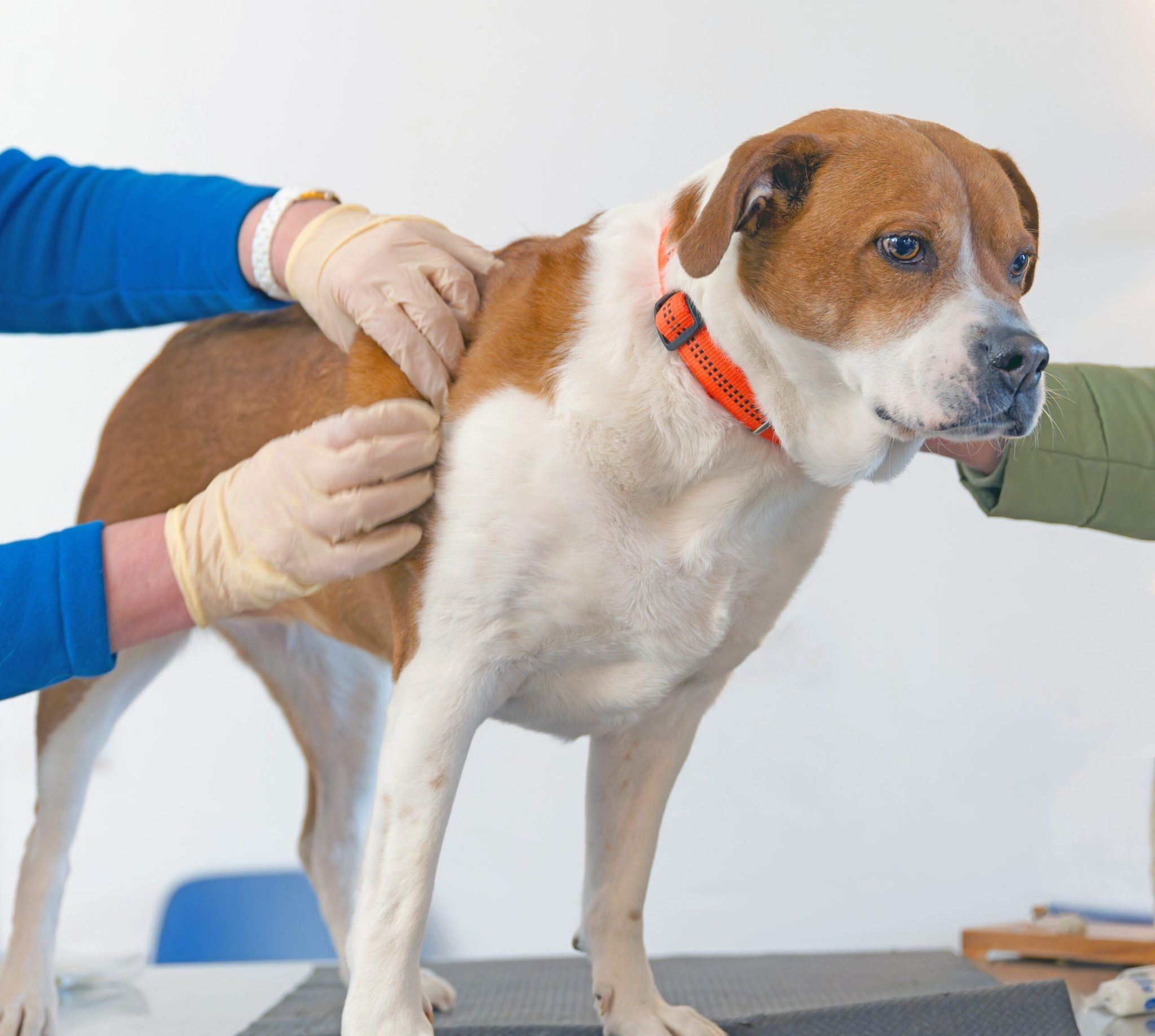
Discovering a small bump or fleshy growth on your dog during a petting session or grooming routine is one of those moments that immediately raises questions. Is it something to worry about? Does it need to come off? Is it the same kind of thing that appeared last year? For most dog owners, the first thought is whether the growth is a skin tag or something more serious.
Skin tags are extremely common in dogs and the majority are completely benign. But because not every bump on a dog’s skin is harmless, knowing what causes skin tags on dogs, what they look and feel like, and when a growth warrants a veterinary visit is important information for any responsible pet owner. This guide covers the full picture from causes and characteristics to when to act and what to expect if removal is needed.
What Are Skin Tags on Dogs?
Defining a Skin Tag
A skin tag is a small soft growth of tissue that protrudes from the skin surface, usually attached by a narrow stalk called a peduncle. The medical term is acrochordon and in dogs they are also sometimes referred to as fibroepithelial polyps. They form from an overgrowth of skin cells and connective tissue and are classified as benign, meaning they are not cancerous and do not spread.
Skin tags in dogs vary in size from a tiny pinhead-sized projection to a growth several centimeters across. They tend to be flesh-colored or slightly darker than the surrounding skin, soft to the touch, and moveable. Because they hang off the skin surface rather than growing into it they usually feel distinct from the normal skin texture around them.
They can appear anywhere on the body but are most commonly found in areas where skin folds or rubs together including the armpits, groin, around the eyelids, under the collar area, and along the chest and belly.
How Skin Tags Differ From Other Growths
Not all bumps on a dog are skin tags. One of the most important reasons to have any new growth examined by a veterinarian is that many different types of dog skin growth can look similar on the surface but have very different implications.
The table below outlines the key differences between common dog skin growths to help pet owners understand what they may be dealing with before a veterinary evaluation:
| Growth Type | Texture | Attached By | Typically Benign? | Key Feature |
| Skin tag | Soft, fleshy | Narrow stalk | Yes | Hangs from skin, moveable |
| Lipoma | Soft, doughy | Beneath skin | Yes | Smooth, freely moveable lump |
| Sebaceous cyst | Firm, rounded | Embedded in skin | Yes | May rupture, waxy contents |
| Wart (papilloma) | Rough, cauliflower-like | Surface attachment | Yes | Irregular surface texture |
| Mast cell tumor | Variable | Embedded | No | Can shrink and swell, changes |
| Histiocytoma | Smooth, dome-shaped | Surface | Yes | Common in young dogs |
This comparison illustrates why visual inspection alone is not sufficient to determine what a growth is. A mast cell tumor can look like a harmless lump and a skin tag can look like a small wart. Veterinary evaluation including fine needle aspiration or biopsy when indicated provides the information needed to make confident decisions about management.
What Causes Skin Tags on Dogs?
The Main Contributing Factors
Understanding what causes skin tags on dogs helps owners recognize which pets may be more prone to developing them and take steps to reduce risk factors where possible.
Friction and Skin Irritation
One of the most consistent causes of skin tags is repeated friction on the skin surface. Areas where skin rubs against skin, fur rubs against a collar, or the skin contacts surfaces regularly are prime locations for skin tag development. The repeated mechanical irritation stimulates skin cell proliferation over time which can result in the formation of a tag.
This is why owners of dogs who wear harnesses or collars frequently notice tags forming in the neck or chest area. Dogs who spend time lying on hard surfaces may also develop tags along pressure points.
Age
Skin tags become significantly more common as dogs age. The skin changes with time, losing some of its elasticity and developing a greater tendency toward benign overgrowths. Middle-aged to senior dogs accumulate more skin tags simply due to years of cellular activity and cumulative environmental exposure. A dog with several skin tags is not necessarily unwell. It is often simply a natural reflection of their age.
Genetics and Breed Predisposition
Certain breeds are more prone to developing skin tags than others. Cocker Spaniels, Labrador Retrievers, Poodles, and Bichon Frises tend to develop skin tags at higher rates. Dogs with wrinkled skin such as Bulldogs, Shar-Peis, and Basset Hounds are also more prone because their skin folds create friction-prone surfaces.
Hormonal Influences
Hormonal imbalances including hypothyroidism and Cushing’s disease can affect the skin and contribute to abnormal cell growth patterns including skin tags and other benign growths. If your dog is developing multiple new skin growths in a short period of time alongside other changes such as weight gain, hair loss, or increased thirst, a hormonal evaluation may be worth discussing with your veterinarian.
Parasites and Skin Infections
Parasites and chronic skin irritation from dog skin infections can contribute to skin changes over time that encourage tag formation. Dogs with recurrent skin infections or ongoing inflammatory skin conditions may develop more benign overgrowths in affected areas. Flea infestations in particular create persistent skin irritation that can contribute to abnormal tissue responses. For more on how skin infections develop and are managed, this guide on how to treat and prevent skin conditions in pets covers the relationship between chronic skin irritation and skin health thoroughly.
Poor Nutrition
Nutritional deficiencies can compromise skin integrity and cellular function. A diet lacking in essential fatty acids, vitamins, and adequate protein may contribute to abnormal skin cell turnover and increase the likelihood of benign skin growths developing. High-quality balanced nutrition tailored to your dog’s age and health status supports healthy skin at every stage of life. For more on how diet supports skin and overall health, this blog on the benefits of nutritional counseling for pets at every life stage provides useful context.
When Is a Skin Tag Something to Worry About?
Signs That a Growth Needs Veterinary Attention
While most skin tags are benign, the following situations indicate that a growth should be examined by a veterinarian promptly rather than monitored at home.
- The growth is new and has not been previously identified or evaluated
- The size, shape, or color of an existing growth has changed noticeably
- The growth is bleeding or has become ulcerated
- Your dog is scratching, biting, or licking the area persistently
- The growth appears to be attached at a broad base rather than a narrow stalk, suggesting it may not be a true skin tag
- Multiple new growths have appeared in a short period of time
- The growth is located in a sensitive area such as near the eye, in the ear canal, on a paw pad, or around the genitals
- The area around the growth has become red, warm, swollen, or is producing discharge indicating dog skin infections
- Your dog appears uncomfortable or in pain when the area is touched
- The growth is interfering with normal movement, vision, or comfort
For a broader guide on recognizing health changes that warrant a veterinary visit, this article on how to spot early signs of illness in your pets is a helpful starting point.
The Risk of Dog Tumors That Look Like Skin Tags
One of the most clinically significant reasons to have any skin growth evaluated is that some dog tumors can mimic the appearance of a benign skin tag. Mast cell tumors in particular are notorious for appearing in a wide range of forms. A mast cell tumor can look like a simple fleshy bump for weeks before beginning to change behavior.
Mast cell tumors are the most commonly diagnosed malignant dog skin growth and they require prompt surgical removal with adequate margins. Leaving them untreated allows them to grow, potentially spread to lymph nodes and internal organs, and significantly worsen the prognosis.
The only way to reliably distinguish a skin tag from a mast cell tumor or other malignant growth is through veterinary testing. Fine needle aspiration provides a quick and minimally invasive first step. For more on how veterinarians evaluate and treat dog tumors including mast cell tumors, soft tissue sarcomas, and other skin malignancies, this guide on what causes a skin growth in dogs and how to treat it covers the full diagnostic and treatment landscape.
How Veterinarians Evaluate Skin Tags
The Diagnostic Process
When you bring your dog in for evaluation of a skin growth, your veterinarian will begin with a physical examination and take a detailed history including when the growth first appeared, whether it has changed, and any other symptoms your dog is showing.
Fine Needle Aspiration
For most skin growths that appear suspicious or have not been previously evaluated, fine needle aspiration is the first diagnostic step. A thin needle is inserted into the growth to collect a sample of cells which are examined under a microscope. This quick in-office procedure can distinguish between many benign growth types and flag anything that looks concerning for further investigation.
Biopsy
When fine needle aspiration is inconclusive or when the growth has features that raise concern for malignancy, a biopsy provides more detailed information. A small tissue sample is removed and sent to a veterinary pathology laboratory for full histological analysis.
Monitoring
For confirmed benign skin tags that are not causing problems, monitoring with periodic rechecks is a reasonable approach. Your veterinarian will advise how often the growth should be reassessed and what changes should prompt an earlier visit.
Treatment Options for Skin Tags in Dogs

When Removal Is Recommended
Not every skin tag requires removal. Small stable tags that are not irritating the dog and are not interfering with movement or function can often be monitored indefinitely. However removal becomes appropriate when:
- The tag is in a location where it is repeatedly traumatized causing bleeding or irritation
- It has become infected or inflamed
- The dog is bothering it consistently
- It is located near the eye or in an area that affects comfort
- There is any doubt about the nature of the growth
Surgical removal of skin tags is a straightforward procedure. The area is clipped, cleaned, and numbed or the dog is placed under brief sedation depending on the location and size of the tag. The growth is excised at its base and the area is closed if needed. Most dogs recover quickly with no lasting issues.
When removed surgically the tissue is typically sent for laboratory analysis to confirm it was benign. This step provides peace of mind and catches any unusual findings. For guidance on helping your dog heal well after any minor surgical procedure, this resource on how to keep your dog or cat comfortable after surgery covers post-operative care in detail.
Reducing the Risk of Skin Tags in Dogs
Practical Prevention Strategies
While not all skin tags can be prevented, several management strategies reduce the conditions that encourage their development.
- Check collar and harness fit regularly to ensure there is no chronic rubbing against the skin
- Keep your dog at a healthy body weight to reduce skin fold friction in overweight animals
- Feed a nutritionally complete diet appropriate for your dog’s age and health status
- Address skin infections, allergies, or parasite infestations promptly to reduce chronic skin irritation
- Schedule regular wellness visits so your veterinarian can monitor new growths and catch any concerning changes early
Consistent preventive care is one of the most effective strategies available for protecting your dog’s skin health and overall wellbeing over the long term. This article on why preventive care for pets is crucial for early detection of health issues explains how routine monitoring protects pets from conditions that would otherwise go unnoticed.
Taking Skin Health Seriously
Skin tags are among the most common benign growths that develop in dogs and for the vast majority they are simply part of the natural aging process. But because the skin is a complex organ and because some growths that look harmless are not, staying attentive and seeking veterinary evaluation for any new or changing dog skin growth is always the right approach.
At Kainer Veterinary Hospital, our team provides thorough skin and growth evaluations using fine needle aspiration, biopsy, and physical assessment to give you accurate information about every growth your dog develops. Whether a skin tag needs to be monitored or removed we will guide you through the right approach for your individual pet. Contact us today to schedule an evaluation.
FAQs
A: The most common causes include repeated skin friction, aging, breed genetics, hormonal changes, and chronic skin irritation from infections or parasites. Middle-aged to senior dogs are most frequently affected. Certain breeds including Cocker Spaniels and Labrador Retrievers develop skin tags at higher rates than others.
Q: How do I know if my dog’s skin tag is dangerous?
A: A skin tag that changes in size, bleeds, ulcerates, or causes your dog discomfort needs veterinary evaluation. Any growth that has not been previously confirmed as benign should be assessed. Fine needle aspiration is a quick and minimally invasive way to determine what a growth actually is.
Q: Can dog skin infections develop around a skin tag?
A: Yes. Skin tags in moist or friction-prone areas can become irritated and develop secondary bacterial or yeast infections. Signs include redness, discharge, swelling, or odor around the tag. If your dog is licking or scratching at a tag persistently a veterinary check is warranted to rule out infection.
A: Not necessarily. Small stable tags that are not bothering the dog and are not in problematic locations can be safely monitored. Removal is recommended when a tag is repeatedly traumatized, infected, interfering with movement, or located near a sensitive area like the eye or ear.
A: No. Skin tags are benign overgrowths of skin tissue while tumors refer to abnormal cell growths that can be benign or malignant. However some malignant growths like mast cell tumors can look like skin tags. Only veterinary testing can confirm whether a growth is a true skin tag or something that requires more active treatment.