

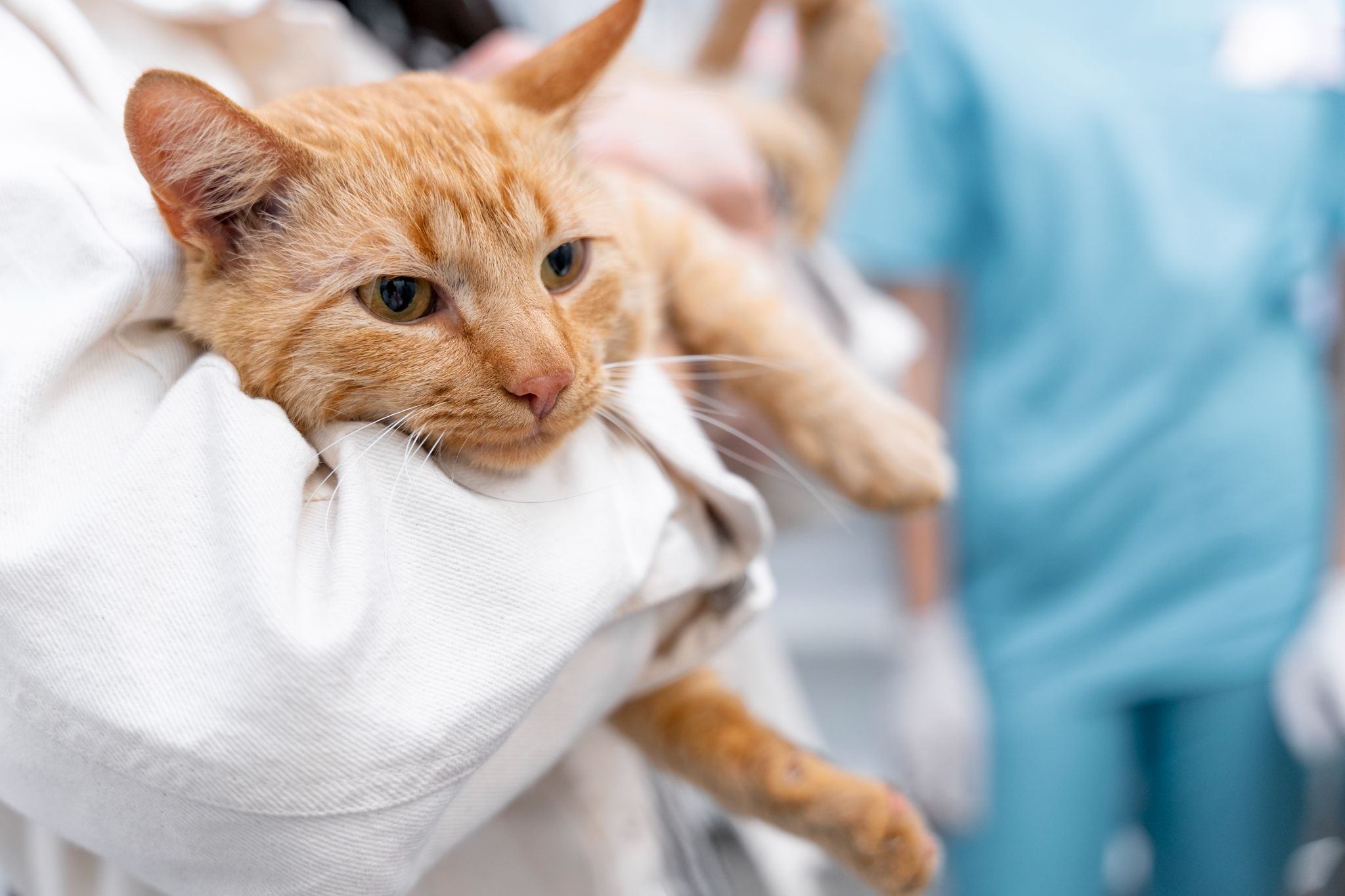
Bathroom habits are one of the easiest ways to tell how your pet is feeling, so changes at the litter box or on a walk are worth noticing. When your veterinarian mentions pet bladder stone removal, it helps to understand what that means and why timing matters.
Stones can build up quietly before they cause pain. This guide explains how dog bladder stones and cat bladder stones form, what signs to watch for, how a pet UTI fits in, how stones are treated, and what helps prevent recurrence.
What Are Bladder Stones
Bladder stones, also called uroliths, are mineral deposits that form in the bladder. The type matters because it decides whether a stone can be dissolved. Merck’s overview of urolithiasis states that knowing a stone’s composition matters both for deciding on dissolution and for preventing stones from coming back.
| Stone type | What the sources say | Can it be dissolved |
| Struvite in dogs | Usually forms with a urinary infection caused by urease producing bacteria | Yes, medically |
| Struvite in cats | Almost invariably sterile in cats | Yes, with a prescription diet |
| Calcium oxalate | One of the two leading types in cats and dogs. Recurrence is expected | No |
| Urate and cystine | Dalmatians are prone to urate stones. Cystine stones occur in breeds such as English Bulldogs | Depends on the case |
How Bladder Stones Form in Dogs and Cats
Infection and Pet UTI
In dogs, Merck explains that struvite stones usually form with a pet UTI caused by urease producing bacteria. Cats are different. The Merck guide to urolithiasis in cats states that struvite stones in cats are almost invariably sterile, so a UTI is not the usual cause of cat bladder stones. The ACVIM consensus statement adds that the primary prevention of infection induced struvite stones is persistent elimination of the infection.
Breed, Diet and Urine Concentration
Merck lists small breeds such as the Miniature Schnauzer, Chihuahua, Bichon Frise, Yorkshire Terrier, Shih Tzu and Lhasa Apso among dogs more often affected by calcium oxalate stones. In cats, longhaired cats are predisposed to calcium oxalate stones, though any breed can be affected, and contributing factors for struvite include alkaline urine and decreased urine volume. The ACVIM panel recommends decreasing urine concentration to reduce calcium oxalate recurrence. For how water intake supports urinary health, see this guide on how hydration impacts your pet’s health.
Male Cats and Blockage
Merck notes that stones occur equally in male and female cats, but male cats are at increased risk of urethral obstruction. A blocked urethra is an emergency.
Recognizing the Symptoms
Merck describes the typical signs of dog bladder stones and cat bladder stones as painful or difficult urination, blood in the urine and straining. Watch for:
• Frequent attempts to urinate with little or no urine
• Straining or crying out while urinating
• Pink or red tinted urine
• Urinating in unusual places
• Licking at the genital area
• A hunched posture or reluctance to be touched around the belly
A pet UTI and stones can occur together with nearly identical signs, which is why testing is needed. A pet that strains and produces nothing needs to be seen immediately. For help recognizing urgent signs, see this article on emergency vet care and when your pet needs immediate attention.
How Veterinarians Diagnose Bladder Stones
Diagnosis starts with an exam and urinalysis, and a urine culture may be added when infection is suspected. Merck states that radiodense stones larger than about 3 mm usually show up on X rays, while urate and some cystine stones may need ultrasound or contrast imaging. Imaging confirms the stones, and the likely type guides treatment.
When Pet Bladder Stone Removal Is Needed
Dietary Dissolution
The ACVIM consensus recommendations state that dissolution of struvite stones is highly effective and avoids the risks of anesthesia and surgery. In dogs Merck says struvite stones dissolve in 1 to 2 months on average, and stones that fail to shrink after that time are probably not struvite. Dissolution is not suitable when a urethral blockage, pancreatitis or high blood fat is present. In cats, Merck says sterile struvite stones are effectively dissolved by a prescription dissolution diet, and the ACVIM panel advises against dissolution in cats with obstructive upper urinary tract stones. Calcium oxalate stones cannot be dissolved.
Less Invasive Removal
Merck’s overview lists voiding urohydropropulsion, which flushes small stones out through the urethra under anesthesia, and cystoscopic or laser methods that need specialized equipment. It notes that nonsurgical removal is preferred when possible because suture in the bladder can itself trigger new stones.
Surgical Removal
Surgery is the usual choice when stones are too large, cannot be dissolved, are blocking urine flow or are causing significant discomfort. In a cystotomy the veterinarian opens the bladder and removes the stones, and removed stones can be sent for analysis. Learn more about bladder stones in pets and our surgical service.
Managing Recurrence After Bladder Stone Removal
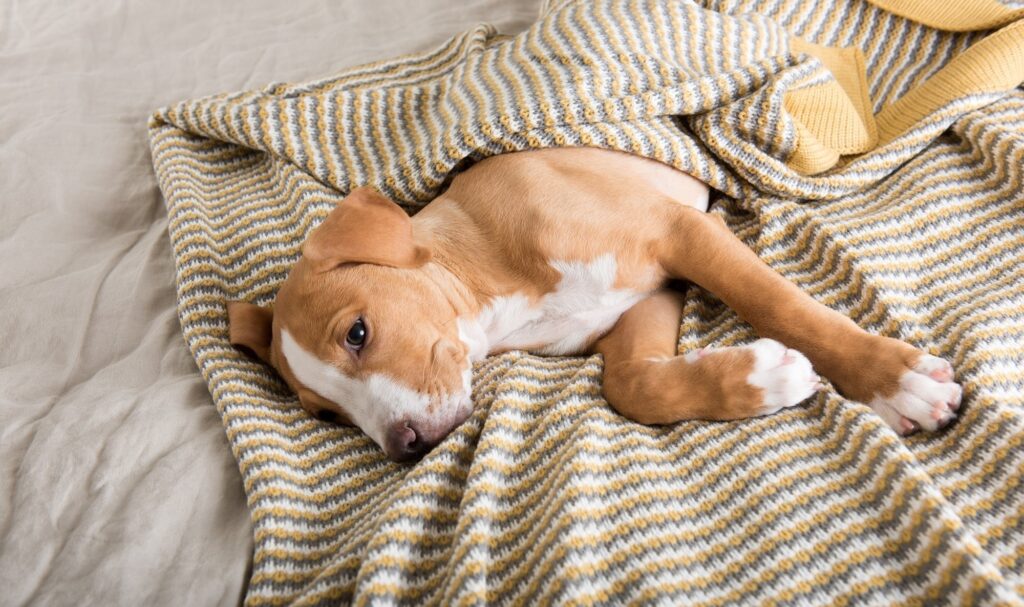
Removing stones does not stop new ones from forming. Merck says recurrence is expected with calcium oxalate stones in cats and is a major problem in dogs, so the goal of prevention is to slow recurrence and catch new stones while they are small.
The ACVIM statement recommends different prevention by type. For sterile struvite, feed therapeutic food with low magnesium and phosphorus that acidifies urine. For calcium oxalate, decrease urine concentration, avoid acidifying urine and avoid diets with excessive protein. Merck recommends a high moisture diet for cats with a history of struvite stones. Your veterinarian chooses the diet based on the stone analysis.
Regular urinalysis and periodic imaging allow new crystals or small stones to be found early. Any return of straining or blood in the urine should be checked promptly. For how regular visits help, see this article on why regular vet checkups are the best gift for your pet’s health. After surgery, this resource on how to keep your dog or cat comfortable after surgery covers recovery care.
Kidney Health in Cats
Urinary and kidney health are often reviewed together in cats. For more on kidney health, see this guide on kidney disease in cats you should not ignore.
Conclusion
Dog bladder stones and cat bladder stones can move from discomfort to an emergency, which is why straining, blood in the urine or a pet UTI that keeps returning deserves prompt evaluation. Acting early gives more treatment options.
At Kainer Veterinary Hospital, our team diagnoses and treats pets with bladder stones and urinary conditions, including surgical removal, dietary planning and follow up. Contact us today to schedule an evaluation if your pet shows any signs of urinary discomfort.
Sources
Merck Veterinary Manual, Urolithiasis in Dogs (2025, updated 2026). Veterinary reference. Supports dog stone types, breed risk, dissolution timing and recurrence.
Merck Veterinary Manual, Urolithiasis in Cats (accessed 2026). Veterinary reference. Supports cat stone types, sterile struvite, male cat obstruction risk and prevention diets.
Merck Veterinary Manual, Overview of Urolithiasis in Small Animals (2025). Veterinary reference. Supports signs, imaging, removal options and suture related recurrence.
Lulich et al., ACVIM Small Animal Consensus Recommendations on the Treatment and Prevention of Uroliths, Journal of Veterinary Internal Medicine (2016). Professional consensus statement. The lead author disclosed research grants from Hill’s Pet Nutrition. Supports dissolution and prevention recommendations.
FAQs
Q: Can bladder stones in pets dissolve on their own without treatment?
A: Not on their own. Struvite stones can be dissolved with a prescription diet under veterinary guidance, but calcium oxalate stones cannot be dissolved. Stones can also block the urethra, so evaluation should not wait.
Q: How do I know if my pet has bladder stones or just a pet UTI?
A: The signs overlap, including straining and blood in the urine, and both can occur together. Urinalysis, urine culture and imaging separate them, so your veterinarian can recommend the right treatment.
Q: Is pet bladder stone removal surgery safe for dogs and cats?
A: Surgery is a standard option when stones cannot be dissolved or are blocking urine flow. It involves anesthesia, and Merck notes suture in the bladder can trigger new stones, which is why less invasive removal is preferred when possible.
Q: How long does recovery take after bladder stone removal?
A: It depends on your pet and the surgery, so your veterinarian sets the activity limits and recheck plan. Call right away if your pet strains, produces no urine or seems painful during recovery.
Q: What diet should my pet eat after bladder stone removal?
A: The diet depends on the stone type found by laboratory analysis. The ACVIM panel recommends low magnesium and phosphorus acidifying food for sterile struvite and dilute urine for calcium oxalate. Your veterinarian chooses the diet.