

Diabetes is not a condition most cat owners expect to face, but it is more common in cats than many people realize. Feline diabetes has become one of the more frequently diagnosed chronic conditions in cats, particularly in middle-aged and older animals. What makes it especially easy to miss in its early stages is that cats tend to hide signs of illness instinctively, and the early symptoms of diabetes overlap with things owners often attribute to normal aging or minor changes in habit.
Understanding what are symptoms of diabetes in cats is one of the most valuable things you can do as a pet owner. Catching the condition early means treatment can begin at a stage where it is far more manageable, and in some cats, early intervention may even lead to remission. This guide explains how feline diabetes develops, what symptoms to watch for at every stage, how veterinarians confirm the diagnosis, and what management looks like long term.
Understanding Feline Diabetes
What Is Diabetes in Cats?
Feline diabetes mellitus is a condition in which the body either fails to produce adequate insulin or cannot use insulin effectively. Insulin is a hormone produced by the pancreas that regulates how cells absorb and use glucose from food. When insulin function is compromised, glucose builds up in the bloodstream instead of entering the cells that need it for energy.
This leads to a state of elevated blood glucose known as hyperglycemia. At the same time, the body’s cells are effectively starved of energy despite glucose being present in abundance. The body responds by breaking down fat and protein to compensate, which leads to many of the physical signs associated with the condition including weight loss despite good appetite.
The most common form of feline diabetes is similar to Type 2 diabetes in humans. It involves insulin resistance where the cells become less responsive to insulin rather than a complete absence of insulin production. This form is strongly associated with obesity, physical inactivity, diet, and certain hormonal conditions.
Why Cats Are Prone to Diabetes
Several factors make cats particularly susceptible to developing feline diabetes.
Their carnivore physiology means cats metabolize carbohydrates less efficiently than omnivores. When fed diets high in carbohydrates, particularly dry commercial cat food, the pancreas must work harder to manage blood glucose. Over time this repeated demand can impair insulin function.
Obesity is one of the most significant risk factors. Excess fat tissue increases insulin resistance and places a greater burden on the pancreas. Neutered male cats are at particular risk due to a combination of hormonal factors and a tendency toward lower activity levels and weight gain.
Age also plays a significant role. Most cats diagnosed with diabetes are over seven years of age with the highest incidence in cats between ten and thirteen years old. Certain breeds including Burmese cats have a genetic predisposition to the condition.
What Are the Symptoms of Diabetes in Cats?
Early Stage Symptoms
The early signs of feline diabetes are subtle and develop gradually which is why many owners do not notice them until the condition has been present for some time. Knowing what to look for before symptoms become obvious can make a significant difference in outcome.
| Early Symptom | What You May Observe at Home |
| Increased thirst | Water bowl emptied more frequently, drinking from unusual sources |
| Increased urination | More frequent litter box visits, larger clumps, accidents outside the box |
| Increased appetite | Persistent hunger, vocalizing around mealtimes, begging more than usual |
| Weight loss | Gradual thinning despite eating well, visible spine or hip bones |
| Reduced energy | Less interest in play, sleeping more, decreased engagement |
| Coat changes | Dull, unkempt, or greasy coat as the cat grooms less |
These early signs are individually easy to dismiss. A cat drinking more might seem like a minor change. A cat sleeping more might seem like natural aging. It is when several of these changes appear together or persist over weeks that they become a meaningful signal worth investigating. For more on recognizing subtle health changes in cats, this guide on how to spot early signs of illness in your pets is a helpful resource.
Moderate and Advanced Symptoms
As feline diabetes progresses and blood glucose remains consistently elevated the symptoms become more pronounced and the cat’s overall health begins to decline more noticeably.
Progressive Weight Loss Despite Good Appetite
Even with a normal or increased appetite, diabetic cats often continue to lose weight because their cells cannot access glucose for energy. The body turns to breaking down muscle and fat for fuel which is why diabetic cats can appear progressively thinner even while eating regularly. Muscle wasting becomes visible particularly along the back and hindquarters.
Hind Limb Weakness and a Plantigrade Stance
One of the more distinctive signs of advanced or poorly controlled feline diabetes is a change in how the cat walks. Diabetic neuropathy, damage to the peripheral nerves caused by prolonged elevated blood glucose, causes weakness in the hind limbs. Affected cats begin to walk on their hocks rather than on their toes, a posture called plantigrade stance. The back end appears low and the gait becomes shuffling or unsteady. This is a significant finding that warrants urgent veterinary evaluation.
Lethargy and Withdrawal
Cats with unmanaged diabetes become increasingly lethargic as the condition progresses. They may withdraw from social interaction, spend most of their time resting, lose interest in activities they previously enjoyed, and show reduced responsiveness to stimulation. This change in personality and energy is often one of the clearest indicators to owners that something is seriously wrong.
Vomiting and Loss of Appetite
In advanced cases cats may develop diabetic ketoacidosis, a serious and life-threatening complication where the body accumulates acidic byproducts from fat breakdown. Signs of diabetic ketoacidosis include vomiting, complete loss of appetite, severe lethargy, and a distinctive sweet or fruity odor on the breath. This is a veterinary emergency requiring immediate hospitalization and intensive care.
For context on recognizing when a cat’s symptoms require urgent veterinary attention rather than a scheduled appointment, this article on emergency vet care and how to recognize when your pet needs immediate attention provides a clear framework.
Risk Factors Every Cat Owner Should Know
Which Cats Are Most Vulnerable?
Recognizing the risk profile for feline diabetes helps owners stay proactive before symptoms develop. The following factors significantly increase a cat’s likelihood of developing diabetes:
- Body weight above the healthy range for the cat’s frame and build
- Age over seven years particularly ten years and older
- Male sex, especially neutered males
- A diet consisting predominantly of dry food high in carbohydrates
- Physical inactivity and predominantly sedentary lifestyle
- A history of pancreatitis which can damage insulin-producing cells
- Long-term use of corticosteroid medications for other health conditions
- A diagnosis of hyperthyroidism or other endocrine conditions
- Burmese breed heritage
Understanding how body weight and diet contribute to diabetes risk underscores the value of maintaining an appropriate weight and feeding a biologically appropriate diet throughout your cat’s life. For more on how nutrition shapes long-term feline health, this blog on the benefits of nutritional counseling for pets at every life stage covers the subject in depth.
How Veterinarians Diagnose Feline Diabetes
The Diagnostic Process
Because increased thirst, urination, and weight loss can be caused by several different cat health problems including kidney disease, hyperthyroidism, and liver disease, a definitive diagnosis of diabetes requires specific testing rather than symptom assessment alone.
Your veterinarian will perform a physical examination and take a detailed history of the symptoms you have observed at home. Based on this they will recommend the following diagnostics:
Blood Glucose Measurement
A blood sample is taken to measure the concentration of glucose in the bloodstream. In diabetic cats blood glucose is consistently elevated above the normal range. One important consideration in cats is that stress alone can cause a temporary spike in blood glucose, a phenomenon called stress hyperglycemia. This is why a single elevated reading taken during a stressful veterinary visit is not always definitive on its own.
Fructosamine Testing
Fructosamine is a protein in the blood that reflects average blood glucose levels over the preceding two to three weeks. Unlike a single blood glucose reading, fructosamine is not affected by short-term stress responses. A persistently elevated fructosamine level provides strong evidence of sustained hyperglycemia consistent with diabetes rather than stress-induced spikes.
Urinalysis
Glucose in the urine is not normal and indicates that blood glucose has exceeded the kidney’s capacity to reabsorb it. Urinalysis also checks for urinary tract infections which are common in diabetic cats, and evaluates kidney function. A urine culture may be added if infection is suspected.
Additional Testing
A comprehensive blood panel assessing organ function, thyroid hormone levels, and other values helps the veterinarian identify any concurrent conditions that may be contributing to or complicating the diabetes. Conditions like hyperthyroidism and chronic kidney disease are common in older cats and both interact with diabetes management in important ways.
For cat owners in The Woodlands and Conroe area, finding experienced vets in The Woodlands who are comfortable managing feline diabetes and its associated conditions makes a meaningful difference in the quality of long-term care. Regular monitoring through consistent veterinary engagement is what allows the treatment plan to be refined over time and keep the cat comfortable. For more on the value of routine preventive care in detecting and managing conditions like diabetes before they escalate, this resource on why preventive care for pets is crucial for early detection of health issues explains the broader principle well.
Managing Feline Diabetes After Diagnosis
What Treatment Involves
Feline diabetes is a chronic condition that requires consistent long-term management. The goal is to keep blood glucose levels within a safe range and prevent the complications that arise from persistent hyperglycemia.
Insulin Therapy
Most diabetic cats require insulin injections given at home twice daily. The idea of giving injections at home can feel daunting at first but most cat owners find the process becomes straightforward with practice and proper instruction from their veterinarian. Consistent timing of injections in relation to meals is important for maintaining stable glucose levels.
Dietary Management
Diet is a cornerstone of feline diabetes management. Cats with diabetes typically benefit from a high-protein low-carbohydrate diet that more closely mirrors the natural feline diet. This type of diet reduces the glucose load from meals and can significantly improve blood glucose control. Wet food is generally preferred over dry food for diabetic cats both for its lower carbohydrate content and its moisture which supports kidney health and hydration.
Weight Management
For overweight cats gradual and controlled weight loss improves insulin sensitivity and can in some cases allow for reduction in insulin dose. Rapid weight loss however is dangerous in cats and should only occur under veterinary supervision. For guidance on managing a cat’s weight safely, this guide on maintaining a healthy weight for your senior pet provides practical strategies.
Glucose Monitoring
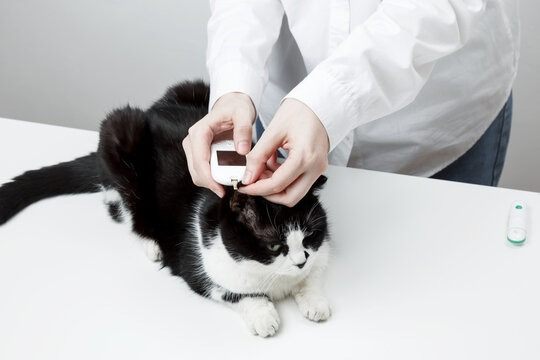
Ongoing monitoring of blood glucose is essential to ensure the insulin dose is appropriate. Your veterinarian may recommend periodic glucose curves performed at the clinic or teach you how to monitor glucose at home. Regular follow-up appointments allow the treatment plan to be adjusted as the cat’s condition evolves.
The Possibility of Diabetic Remission
One of the most encouraging aspects of feline diabetes is that remission is genuinely achievable in some cats. When diabetes is caught and managed early, when the cat achieves a healthy body weight, and when dietary management is well implemented, some cats are able to discontinue insulin entirely and maintain normal blood glucose levels.
Remission is most likely in cats diagnosed early before significant pancreatic damage has occurred and in cats whose diabetes was triggered by reversible factors such as obesity or steroid use. Even if remission is not achieved, good management consistently leads to a dramatically better quality of life and longer lifespan compared to unmanaged disease.
Staying Ahead of Feline Diabetes
Cats with diabetes can live well for years with the right care. The most important factors are early recognition of symptoms, prompt diagnosis, and consistent management supported by a veterinary team that monitors the cat’s response over time.
Pet owners in The Woodlands and surrounding areas who notice any of the signs discussed in this guide should schedule a veterinary appointment rather than waiting to see if symptoms resolve. The earlier feline diabetes is identified the more options are available and the better the likely outcome. Connecting with vets in The Woodlands who are experienced in managing complex feline health conditions means your cat benefits from informed and personalized care from the very beginning.
Taking the Right Step for Your Cat
Recognizing what are symptoms of diabetes in cats and acting on those observations promptly is one of the most meaningful things you can do to protect your cat’s quality of life. Feline diabetes is a serious but manageable condition when diagnosed early and supported with appropriate treatment and monitoring.
At Kainer Veterinary Hospital, our team provides comprehensive diabetes evaluation and management for cats including blood glucose testing, fructosamine assessment, dietary guidance, and ongoing monitoring tailored to each individual cat’s needs. We serve pet owners across The Woodlands, Conroe, and surrounding communities with personalized and compassionate care. Contact us today to schedule an evaluation if your cat is showing any of the signs discussed in this guide.
FAQs
Q: What are the first symptoms of diabetes in cats most owners notice?
A: The earliest signs are typically increased thirst, more frequent urination, weight loss despite a good appetite, and mild lethargy. These changes develop gradually and are easy to overlook. If several appear together over weeks, a veterinary evaluation is strongly recommended.
Q: Can feline diabetes be cured?
A: Some cats achieve diabetic remission with early diagnosis, dietary management, and weight control, allowing insulin to be discontinued. This is not guaranteed for every cat but remission is a realistic goal particularly when treatment begins before significant pancreatic damage has occurred.
Q: What cat health problems are commonly mistaken for diabetes?
A: Hyperthyroidism, kidney disease, and liver disease share symptoms with feline diabetes including increased thirst, urination, weight loss, and lethargy. Definitive blood and urine testing is required to distinguish between these conditions and reach an accurate diagnosis.
Q: How is feline diabetes diagnosed at the vet?
A: Diagnosis involves blood glucose measurement, fructosamine testing to confirm sustained elevation, urinalysis to check for glucose in the urine, and a comprehensive organ function panel. Fructosamine testing is especially useful in cats because stress alone can temporarily elevate blood glucose.
A: Yes. Diets high in carbohydrates increase the demand on the pancreas and contribute to insulin resistance over time. Feeding a high-protein low-carbohydrate diet, ideally wet food, reduces this risk and is also a key part of managing cats already diagnosed with diabetes.