

Every older pet has a few quirks, from slower mornings to a brand new favorite napping spot. A senior pet wellness exam gives you a chance to learn whether those little changes are simply part of growing older or worth a closer look.
Aging pets mask discomfort and decline so gradually that owners often notice nothing until a condition is advanced. This guide explains how a senior pet wellness exam differs from a basic pet annual exam, what it includes, which conditions it helps find, and how to prepare.
Why Senior Pets Need More Than a Basic Annual Checkup
The Difference Between Adult and Senior Veterinary Care
A healthy young adult often does well with a yearly visit covering vaccines, a basic physical and parasite screening. Older pets carry a different risk profile. Kidney disease, diabetes, hyperthyroidism, heart disease, arthritis, dental disease and cancer all become more likely with age, and several progress quietly. The Merck Veterinary Manual states that signs caused directly by chronic kidney disease are generally not evident until about 75 percent of kidney function is lost. Testing finds what a quick look cannot.
How Often Senior Pets Should Be Examined
AAHA’s guidelines list a complete blood count, a chemistry panel and a urinalysis every 6 to 12 months for senior dogs and cats. The AAFP recommends a 6 month exam for healthy senior cats and more frequent evaluations as cats age. Pets with known chronic conditions are usually seen more often, and your veterinarian sets that schedule.
What a Senior Pet Wellness Exam Includes
Physical Examination
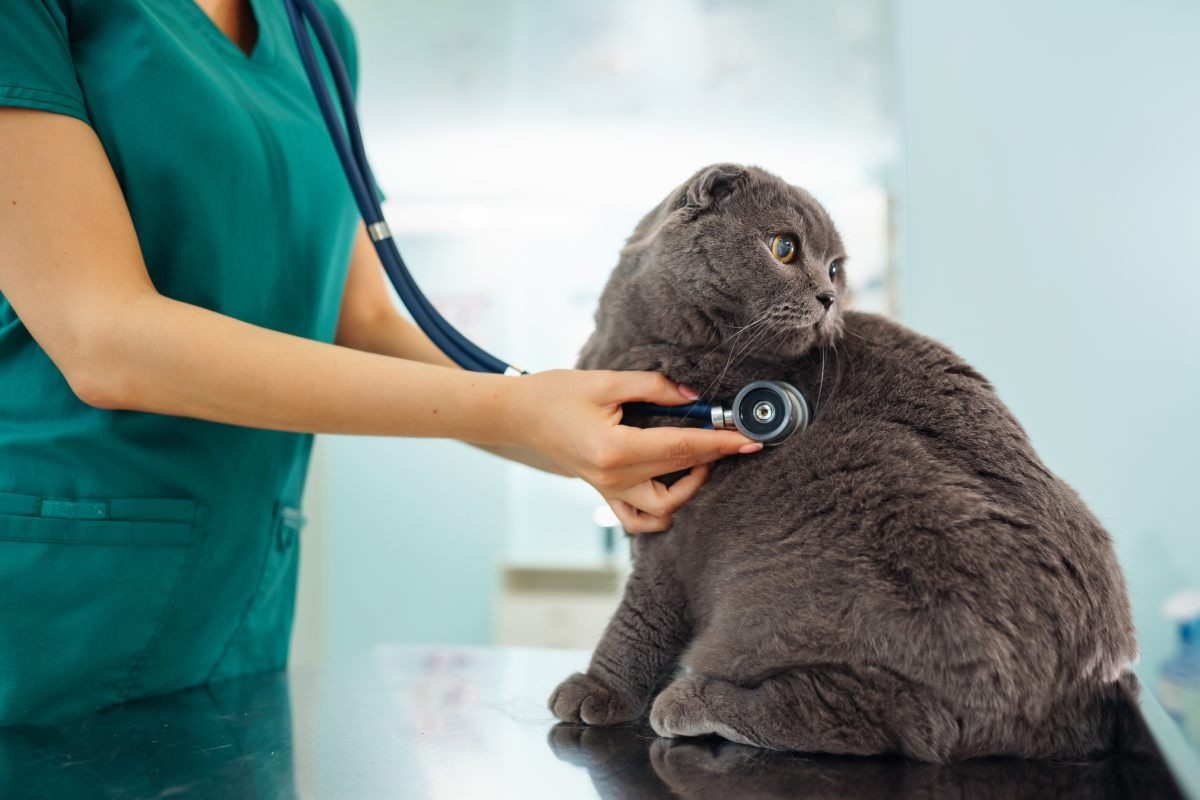
The exam starts with a head to tail check. Your veterinarian looks at the eyes, ears, mouth and teeth, listens to the heart and lungs, feels the abdomen and lymph nodes, checks the skin and coat for lumps, assesses joints and muscle, compares body weight with past visits and checks neurological responses. Each step can reveal something an owner cannot see at home, such as a heart murmur, an abdominal mass or early muscle loss.
Diagnostic Blood and Urine Testing
Physical examination alone cannot show what is happening inside the body. The table lists the core tests with the frequencies AAHA publishes for senior pets.
| Test | What it checks | AAHA frequency |
| Complete blood count | Red and white blood cells, anemia, immune response | Every 6 to 12 months |
| Chemistry panel with SDMA if available | Kidney and liver values, blood sugar, electrolytes | Every 6 to 12 months |
| Urinalysis | Urine concentration, protein, glucose, infection | Every 6 to 12 months |
| Thyroxine (T4) | Thyroid function, including an overactive thyroid in cats | Annually |
| Blood pressure | High blood pressure | Annually, and every 6 to 12 months in healthy geriatric cats |
| Heartworm test | Heartworm infection in dogs | Annually |
| Fecal testing | Intestinal parasites | 1 to 4 times a year for dogs, 1 to 2 for cats |
Early disease detection through this panel lets your veterinarian find changes before clinical signs develop. For more on each test, see this complete guide on pet diagnostic tests for new pet owners.
Blood Pressure Measurement
Blood pressure is checked because high pressure can go unnoticed at home. The measurement is noninvasive and takes a few minutes, and AAHA recommends it annually, or every 6 to 12 months in healthy geriatric cats.
Mobility and Pain Assessment
Pets hide pain well. The AAFP notes that osteoarthritis is common but under recognized in senior cats, and AAHA calls for veterinarians to identify and minimize pain in senior pets. A mobility check looks at gait, joint range of motion, posture, muscle symmetry and your pet’s reaction when joints are handled. Your veterinarian can then discuss weight control and other options. For more, see this guide on early signs of arthritis in dogs and how to spot joint pain early.
Dental Evaluation
The exam includes a look at plaque, tartar, gum health and whether a professional cleaning is needed. This article on the importance of dental health for dogs and cats explains why oral care matters for the whole pet.
Nutritional and Weight Assessment
Body weight and body condition are checked at every visit. Unexplained weight loss in a senior pet needs investigation, and weight gain adds strain to joints. The visit is also the time to ask whether your pet’s food still suits changing needs.
Conditions Commonly Caught at Senior Wellness Exams
Early Kidney Disease
The kidneys compensate well, so blood values often stay normal until much function is gone. Merck states that azotemia, the rise in waste products, develops when about 75 percent of functioning nephrons are lost. AAHA’s chemistry panel includes SDMA where available, which helps find changes earlier. For more on cats, see this resource on kidney disease in cats you should not ignore.
Heart Disease
A murmur or early cardiac change can be heard during the physical exam before a pet shows symptoms. Your veterinarian may then recommend chest X rays or an echocardiogram. This article on why early detection of heart disease in pets is crucial explains the value of acting early.
Diabetes
Glucose appears in both the chemistry panel and the urinalysis, so routine testing can flag high blood sugar before a pet looks ill. Diabetes needs prompt diagnosis and treatment.
Hyperthyroidism in Cats
AAHA recommends annual thyroxine testing for senior pets, which is how an overactive thyroid in cats is often found. Signs can include weight loss despite a good appetite, so unexplained weight change is worth reporting.
Cancer
The hands on exam includes palpation of lymph nodes, the body surface and the abdomen. When something suspicious is found, imaging and a fine needle sample can follow quickly.
Preventive Treatments Discussed at Senior Wellness Exams
Parasite Prevention
AAHA lists annual heartworm testing and tick borne disease testing for senior dogs, with fecal testing one to four times a year for dogs and one to two times for cats. The wellness visit is a convenient time to run these tests and update flea, tick and parasite prevention.
Allergy Management
Allergies can worsen in senior dogs, and the wellness exam is a good time to review the plan. Allergy injections for dogs, such as Cytopoint, are one option. VCA Hospitals describes lokivetmab as a biologic medicine that blocks an inflammatory protein that causes itch. It is injected under the skin, usually at the clinic, and lasts at least 4 to 8 weeks. Side effects include pain at the injection site, and serious reactions are rare but possible. Your veterinarian decides whether allergy injections for dogs suit your dog. For more detail, see this guide on how Cytopoint for dogs works against allergic itching.
Vaccination Review
Vaccine plans for senior pets are reviewed against health and lifestyle. Your veterinarian recommends what your pet needs going forward.
How to Prepare for Your Senior Pet’s Wellness Exam
Before the Appointment
A little preparation helps the team use the visit well:
• Bring a fresh urine sample so testing can start right away.
• Bring a stool sample for parasite screening.
• Note any changes in appetite, energy, thirst or habits.
• List every medication and supplement.
• Write down your questions.
During the Appointment
Mention every change you noticed, even small ones. You see your pet daily, and details such as drinking more, sleeping differently, a duller coat or a new lump help your veterinarian.
What the Sources Cannot Tell You
AAHA’s guidelines are a recommendation and not a standard of care. They were supported by Boehringer Ingelheim Animal Health, CareCredit, IDEXX and Zoetis. The sources do not show that wellness exams extend a particular pet’s life. They show which tests are recommended and how often.
What This Means for Your Pet
A senior pet wellness exam is not a formality. It gives your veterinarian a way to find quiet conditions early and adjust diet, medication and prevention to where your pet is now.
At Kainer Veterinary Hospital, our senior wellness exams are tailored to each pet. We offer diagnostic bloodwork, mobility assessment, dental evaluation and preventive care planning for senior dogs and cats. Contact us today to schedule your senior pet’s wellness exam.
Sources
American Animal Hospital Association, 2023 AAHA Senior Care Guidelines for Dogs and Cats (2023). Professional guidelines supported by Boehringer Ingelheim Animal Health, CareCredit, IDEXX and Zoetis. Supports the test list and frequencies.
American Association of Feline Practitioners, Senior Care Guidelines Summary (accessed 2026). Professional guidelines. Supports the 6 month exam for healthy senior cats and the point about osteoarthritis.
Merck Veterinary Manual, Renal Dysfunction in Dogs and Cats (accessed 2026). Veterinary reference. Supports the 75 percent kidney function point.
VCA Hospitals, Lokivetmab (accessed 2026). Veterinary hospital drug information. Supports how the injection works, how long it lasts and its side effects.
FAQs
Q: At what age is a dog or cat considered senior?
A: The age varies by species, breed and size, so there is no single cutoff. Veterinarians often begin senior planning around middle age, and larger breeds age sooner. Your veterinarian will tell you when your pet should move to a senior schedule.
Q: What is the difference between a pet annual exam and a senior pet wellness exam?
A: A pet annual exam covers vaccines and basic health checks. A senior pet wellness exam adds regular bloodwork, urinalysis, blood pressure and thyroid testing, a mobility and dental review, and a closer look at nutrition and chronic conditions.
Q: How often should a senior pet have a wellness exam?
A: AAHA lists bloodwork and urinalysis every 6 to 12 months for senior pets, and the AAFP advises exams every 6 months for healthy senior cats. Pets with chronic conditions may need visits more often.
Q: Can a senior pet wellness exam help my pet live longer?
A: It helps find disease earlier, when treatment is often easier. The sources reviewed do not promise a longer life for any one pet. They support regular testing as the way to find problems before signs appear.
Q: Are allergy injections for dogs discussed during wellness exams?
A: Yes. The visit is a good time to review allergy control. If current treatment is not giving relief, your veterinarian may discuss allergy injections for dogs and whether they suit your dog.
