

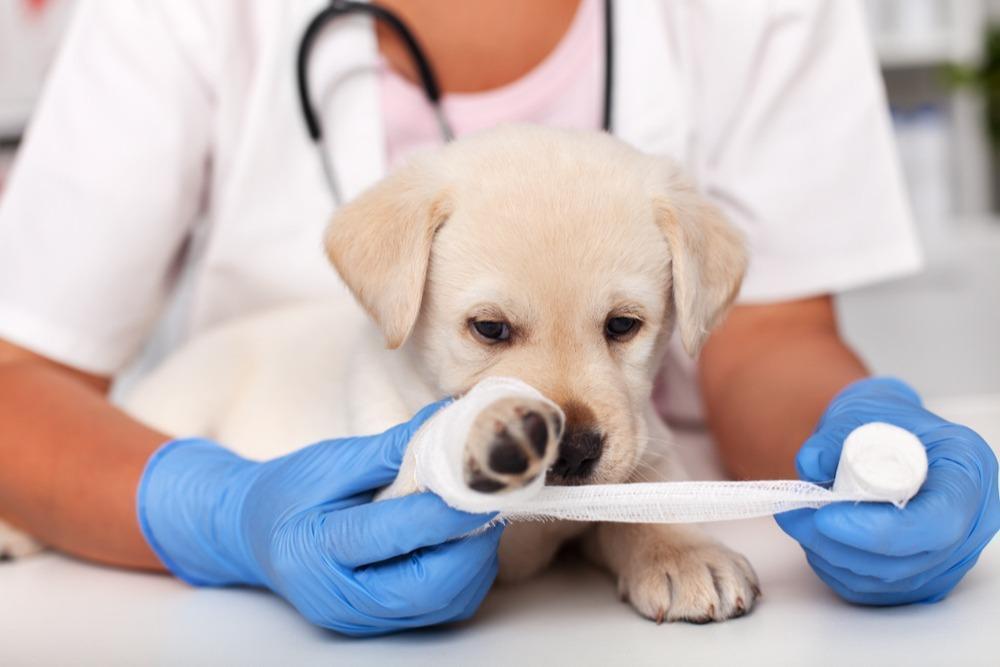
When your dog gets hurt from a scratch, a bite wound or even a surgical incision, the healing process can quickly become complicated. If the wound becomes infected, recovery becomes even more challenging. Understanding the infected dog wound healing stages helps you recognize what is normal and what needs veterinary attention. This guide explains how each stage works, how dog wound infection develops and how you can support your dog throughout the healing journey.
What is an infected dog wound?
An infected dog wound occurs when bacteria enter a break in the skin, causing redness, swelling, pain, and sometimes pus. It can result from cuts, scratches, or surgical incisions. Early intervention, such as cleaning and proper wound care, is essential to prevent the infection from spreading. If left untreated, it can lead to more severe complications. Understanding the infection process helps ensure your dog’s prompt recovery and health.
Stages of Infected Dog Wound Healing
Wound healing in dogs occurs in distinct stages, typically involving inflammation, debridement, repair and maturation. If the wound becomes infected, the process may take longer and require additional care. Here’s how the healing stages unfold:
1. Inflammation Stage
The first stage of wound healing is the inflammation stage. When your dog sustains an injury, the body’s immune system responds by initiating inflammation to prevent further damage and fight potential infection. This is the body’s natural reaction to trauma, which helps protect the injured area from bacteria and other harmful pathogens. During this stage, pet pain management is crucial to keep your dog comfortable.
During the inflammation stage, you may notice the following symptoms in the wound area:
- Swelling: This is a natural response as blood vessels dilate to bring white blood cells to the injury site.
- Redness and Heat: The increased blood flow leads to visible redness and warmth around the wound.
- Pain: The area may be sensitive and your dog may show signs of discomfort, such as limping or avoiding touch.
While this stage is necessary for the body’s defense, excessive swelling or prolonged inflammation can indicate a complication, such as an infected dog wound.
2. Debridement Stage
In the debridement stage, the body works to clear the wound of dead tissue and foreign material. This stage can last from several days to a few weeks, depending on the size and severity of the wound. Your dog’s immune system will begin to remove bacteria, dead tissue and other debris from the wound. You might notice pus or yellow discharge in the wound, which is a sign that the body is clearing out infection.
Key signs during this stage include:
- Nasty odor: The infection may cause a strong smell due to bacterial activity.
- White or yellow discharge: This is a common sign of infection and is the body’s way of flushing out harmful bacteria.
It’s important to monitor the wound carefully for any signs of excessive bleeding or worsening discharge, as this can indicate an infection that requires veterinary attention.
3. Repair Stage
The repair stage is when the body starts to actively regenerate tissue and form new skin. During this stage, collagen begins to form, and the wound site starts to close. This stage can take anywhere from a few days to a few weeks, depending on the size of the wound.
Signs of healing during the repair stage include:
- Bright red or pink tissue: This is a sign of granulation tissue forming. This tissue is rich in blood vessels and is an indicator of healthy healing.
- New skin formation: You will start to notice that the wound begins to close up, with fresh skin covering the area.
If the wound was infected, the repair stage could be delayed and additional interventions like cleaning spray or antimicrobial gel might be necessary to encourage healing.
4. Maturation Stage
The final stage of healing is the maturation stage, where the wound continues to strengthen and mature. During this stage, the collagen that was deposited during the repair stage continues to form and scar tissue may begin to develop. The tissue becomes stronger and the wound becomes more resilient.
Key signs during the maturation stage include:
- Scar tissue formation: While it may be hard to notice right away, as the wound heals, the scar tissue strengthens.
- Shrinking blood vessels: The body reduces the blood supply to the area, as the wound is no longer as dependent on constant circulation.
- Healing of the skin: The skin will gradually return to its normal appearance, though some dogs may have permanent scarring.
Signs of Infected Dog Wounds
It’s important to recognize when a dog wound becomes infected, as infection can prolong the healing process. Common signs of dog wound infection include:
- Increased swelling or redness beyond what’s typical for normal healing.
- Pus or a nasty odor coming from the wound, indicating bacterial activity.
- Excessive bleeding, especially if the wound does not stop bleeding after pressure is applied.
- Pain or limping that persists after the initial injury and is not alleviated by rest.
- Decreased appetite or lethargy, which may indicate a systemic infection that is affecting your dog’s overall health.
If you notice any of these signs, it’s crucial to contact your veterinarian for proper treatment. Also check this guide on Spotting Hidden Pain Early in Pets.
How to Care for Your Dog’s Wound During Each Healing Stage
To ensure proper healing and reduce the risk of complications, it’s important to care for your dog’s wound throughout the healing process. Here are some general tips for each healing stage:
Wound Care During the Inflammation Stage
- Keep the wound clean and protected. Use anti bacterial cleaning solutions recommended by your vet to reduce the risk of infection.
- Prevent your dog from licking or scratching the wound by using a vet cone or a recovery suit.
- Monitor the wound for signs of worsening inflammation or infection, and contact your veterinarian if symptoms persist.
Wound Care During the Debridement Stage
- Gently clean the wound if there is discharge, but avoid excessive scrubbing, as this can irritate the area.
- Be mindful of the pus or yellow discharge, as this is normal but should not have a foul smell. If the wound starts emitting a nasty odor, consult your veterinarian.
Wound Care During the Repair and Maturation Stages
- Keep the area clean but avoid over-cleaning the wound, as this can delay healing.
- As the wound begins to heal, you may notice scabbing or skin lesions. Let these heal naturally, as picking at scabs can cause additional injury.
- Continue to monitor for any signs of swelling, redness or discharge that could indicate infection.
When to Contact the Veterinarian
While most wounds will heal with proper care, it’s important to consult your veterinarian if you notice any of the following:
- Excessive swelling or redness that doesn’t improve with time.
- Unpleasant odor or pus coming from the wound.
- Excessive bleeding that doesn’t stop after applying gentle pressure.
- Changes in behavior, such as increased lethargy or loss of appetite.
- Licking or chewing the wound excessively, which may lead to infection.
If you’re unsure about the progress of your dog’s wound healing, it’s always best to consult with your vet. Early intervention can help prevent further complications and ensure a smoother recovery.
Final Thoughts
Wound healing in dogs involves several important stages, and understanding each stage can help you manage your dog’s recovery more effectively. The healing dog wounds process involves inflammation, debridement, repair, and maturation, each requiring different care and attention. By monitoring the wound carefully, keeping it clean, and following your veterinarian’s instructions, you can ensure your dog heals as quickly and comfortably as possible.
If you notice signs of infection or any complications during the healing process, reach out to Kainer Veterinary Hospital. They can provide the necessary care and treatment to help your dog recover fully and prevent any long-term damage.
For more information on healing dog wounds, dog wound infection management, or if your dog needs treatment for an infected wound, contact us today or call (936) 321-2000. Our expert team is here to help guide you through every step of your pet’s healing journey.
FAQs
1.How do you know if a dog wound is infected or healing?
An infected dog wound will show signs such as increased redness, swelling, or discharge that may have a foul odor. A healing wound typically shows reduced swelling, less redness, and the formation of scab tissue over time.
2.How to heal a dog wound fast at home?
To heal a dog wound quickly at home, keep the wound clean and dry, apply an appropriate antibiotic ointment, and prevent licking by using an Elizabethan collar. Always follow your vet’s advice for proper wound care and management.
3.What color should a dog’s wound be?
A healing dog wound should appear pink or light red, indicating healthy tissue regeneration. Dark or black coloring could indicate dead tissue, while yellow or greenish discharge may suggest infection, requiring immediate veterinary attention.
4.What are signs of dog wound infection?
Signs of a dog wound infection include excessive swelling, redness, pus or yellow discharge, and a foul odor. The dog may also show signs of discomfort or pain, such as excessive licking or licking the wound area.
5.How long does it take for a dog wound to heal?
The healing time for a dog wound varies depending on the severity, location, and your dog’s health. Small wounds may heal in 7-10 days, while larger or deeper wounds can take several weeks to fully heal.