

Few things break your heart like a dog who cannot stop scratching, even in the middle of the night. If you have heard of Cytopoint and want to know how does Cytopoint for dogs work, you are in the right place.
Persistent itching is distressing for dogs and owners. This guide explains the itch signal Cytopoint blocks, which conditions it is labeled for, how it compares with other allergy treatments for dogs, what to expect and what the label says about safety.
What Drives Allergic Itching in Dogs
When a dog with environmental allergies meets a trigger such as pollen, dust mites or mold, the immune system responds and releases a protein called interleukin 31. This protein binds to receptors on sensory nerve cells in the skin and produces the sensation of itch. Scratching and chewing then damage the skin and feed more irritation, which keeps the cycle going.
How Does Cytopoint for Dogs Work
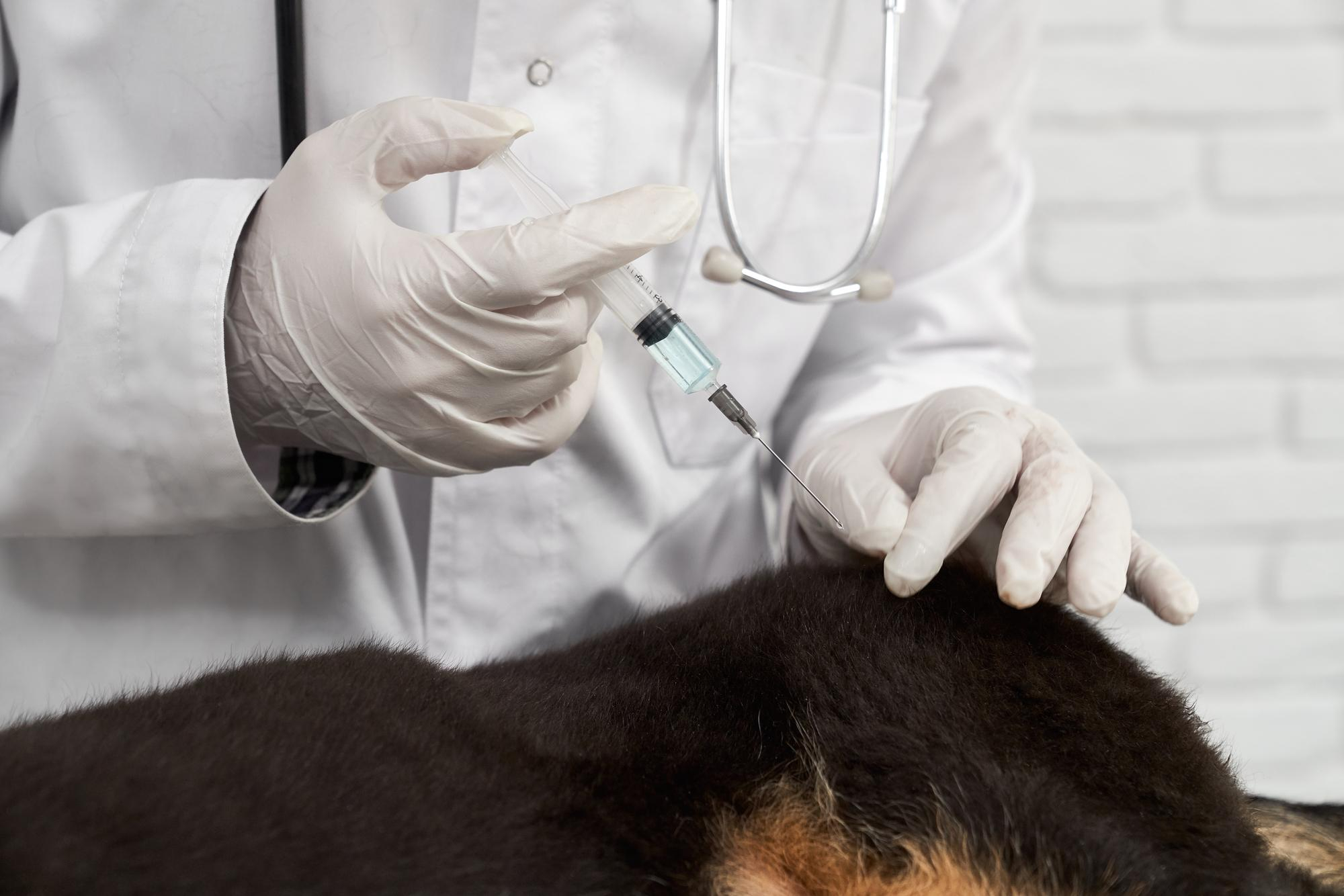
Cytopoint (lokivetmab) is a caninized monoclonal antibody that neutralizes interleukin 31, according to the AAHA guidelines table. When the protein is bound it cannot deliver the itch signal. VCA Hospitals describes it as a biologic that blocks an inflammatory protein causing itch. It is given under the skin, usually at the clinic, takes effect within 1 to 2 days and lasts at least 4 to 8 weeks.
What Conditions Cytopoint Treats
The product label states that Cytopoint has been shown to be effective for the treatment of allergic dermatitis and atopic dermatitis in dogs. Atopic dermatitis is the skin disease linked to environmental allergens. Cytopoint targets itch driven by that pathway. Food driven itch is a different problem, and an elimination diet trial is how it is sorted out. For more, see this guide on how to identify and manage food allergies in your pet and this article on understanding pet allergies symptoms causes and treatment.

Signs Your Dog May Benefit From Cytopoint
A dog with environmental allergies often shows a pattern. Watch for:
- Constant scratching around the face, ears and paws
- Licking or chewing the feet and lower legs
- Rubbing the face on carpet or furniture
- Recurrent ear infections
- Red or darkened skin where the dog chews
- Hair loss from repeated scratching
- Hot spots or recurring skin infections
- Restlessness at night
- Seasonal flare ups
If these sound familiar, talk with your veterinarian. This article on how to tell if your pet has seasonal allergies helps spot the pattern.
How Cytopoint Compares With Other Allergy Treatments for Dogs
AAHA’s table compares the main options for itch in dogs.
Drug | How it is given | Time to onset | Health restrictions listed |
Lokivetmab (Cytopoint) | Injection at the veterinary office every 4 to 8 weeks | Hours to 3 days | None listed |
Oclacitinib | Tablet, twice daily for up to 14 days then once daily | Hours | Age over 1 year, history of demodicosis, neoplasia or serious infection |
Cyclosporine | Daily capsule | 4 to 6 weeks | History of neoplasia, renal insufficiency |
Glucocorticoids | Tablet, once or twice daily with a taper | Hours | Congestive heart failure, diabetes, hyperadrenocorticism, hypertension |
Allergen specific immunotherapy, often called allergy shots, works differently. It aims to change the immune response over time. This guide on allergy shots for dogs explains it. Your veterinarian chooses among these options. Cytopoint controls itch and does not alter the underlying allergy.
What to Expect Before, During and After Treatment
Your veterinarian takes a history, examines the skin and checks for conditions that add itch, such as skin infection, flea allergy or food allergy. The injection itself takes a moment. VCA lists pain at the injection site as a possible side effect. Improvement usually starts within a day or two, and the effect lasts at least 4 to 8 weeks. At the end of that time your veterinarian decides whether a repeat injection is needed. A simple log of scratching and chewing helps with timing.
Safety Profile of Cytopoint
The label describes a field safety study of 245 dogs with atopic dermatitis in which there was no clinically relevant difference in adverse event rates between treated and placebo groups. The label also lists hypersensitivity reactions, including anaphylaxis, facial swelling and hives, along with vomiting or diarrhea, and states that Cytopoint may induce transient or persistent anti drug antibodies. VCA notes serious reactions are rare. Tell your veterinarian about all other medicines and any past reaction to injections.
Cytopoint as Part of a Complete Allergy Plan
Cytopoint works best as one part of a plan. Reducing exposure to known triggers, washing the paws after walks in high pollen seasons and using year round flea control all help. Bacterial or yeast infections that develop in damaged skin make their own itch, so they need treatment alongside Cytopoint. Regular rechecks let your veterinarian adjust the plan. For skin support, see this guide on how to treat and prevent skin conditions in pets.
What the Sources Cannot Tell You
The label describes a single field study, and the AAHA table is a guideline and not a standard of care. Neither compares every treatment head to head. Whether Cytopoint suits your dog depends on its history, other conditions and response.
Matching Itch Relief to Your Dog
Cytopoint injection for dogs offers a targeted option for allergic itch. It neutralizes one itch signal, and it comes with labeled reaction risks, so it is a decision to make with your veterinarian.
At Kainer Veterinary Hospital, our team provides allergy evaluations and individualized plans for dogs, including Cytopoint injections. Visit our Cytopoint for dogs service page or contact us today to schedule an appointment.
Sources
American Animal Hospital Association, 2023 Management of Allergic Skin Diseases Guidelines, Table 1 (2023). Professional guideline table. Supports the mode of action, dosing interval, onset and restrictions.
VCA Hospitals, Lokivetmab (accessed 2026). Veterinary hospital drug information. Supports how it works, how long it lasts and the side effects.
Zoetis, Cytopoint product label, hosted on Drugs.com (accessed 2026). Manufacturer label. Supports the indication, the field safety study, hypersensitivity reactions and anti drug antibodies.
FAQs
Q: How does Cytopoint for dogs work and how long does it last?
A: Cytopoint neutralizes interleukin 31, the protein that signals itch. It is injected under the skin at the clinic. VCA reports it takes effect in 1 to 2 days and lasts at least 4 to 8 weeks, and the injection can be repeated.
Q: Is Cytopoint safe for dogs with other health conditions?
A: AAHA lists no health restrictions for it, unlike several other options. The label warns of hypersensitivity reactions and possible anti drug antibodies. Your veterinarian reviews your dog’s history before recommending it.
Q: How is Cytopoint different from other allergy treatments for dogs?
A: It targets one itch protein and is given as an injection every 4 to 8 weeks. Other options include tablets, capsules and allergy shots. Cytopoint controls itch but does not change the underlying allergy.
Q: Can Cytopoint be used alongside other allergy medications?
A: Veterinarians often combine options. Allergy shots take time to build an effect, and itch control during that period is a common reason for adding Cytopoint. Your veterinarian chooses the combination for your dog.
Q: How will I know if Cytopoint is working for my dog?
A: You should see less scratching, chewing and rubbing within a day or two. A short daily log before and after each injection helps your veterinarian judge the response and plan the next injection.