

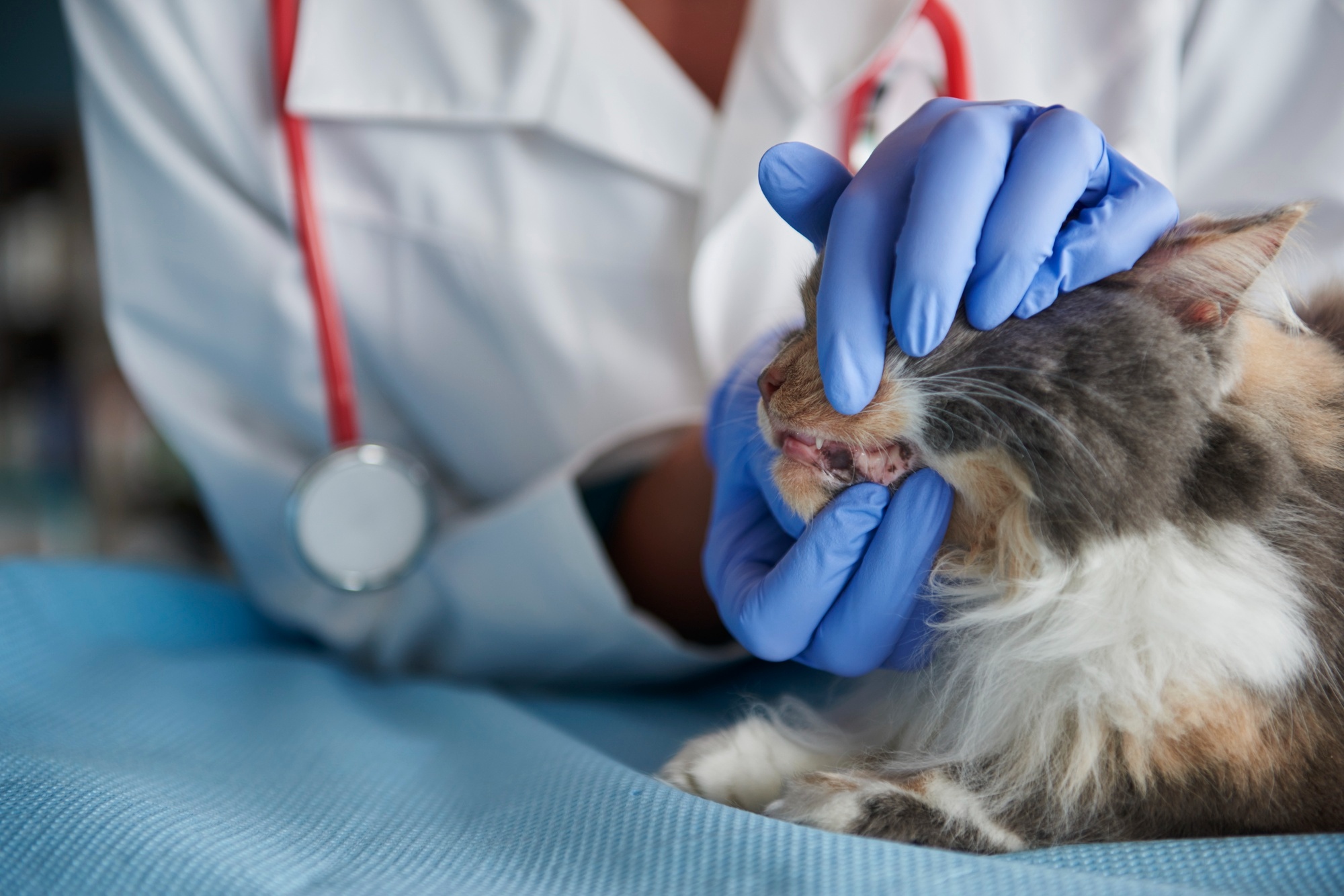
Most cat owners are aware that dental care matters for their pets but far fewer realize just how quietly and quickly oral problems can progress in cats. Unlike dogs who may paw at their mouth or refuse food in obvious ways, cats tend to continue eating and behaving relatively normally even when they are experiencing significant dental pain. This ability to mask discomfort makes it easy to miss the signs of cat dental disease until the condition has already advanced considerably.
Dental disease is one of the most common health problems seen in cats. Studies suggest that the majority of cats over three years of age have some degree of periodontal disease. Yet many of these cases go undetected at home because the early warning signs are subtle and easy to attribute to other causes. Understanding what to look for and why it matters can help you take action before your cat’s oral health deteriorates to a point where more intensive treatment is required.
This guide covers the hidden signs that dental disease is developing in your cat, explains the stages of how the condition progresses, outlines the serious health consequences that can follow when it goes untreated, and provides guidance on what you and your veterinarian can do to protect your cat’s mouth and overall health.
Why Cats Hide Dental Pain
Cats are instinctively driven to conceal signs of weakness or illness. This behavior is rooted in their nature as both predators and prey animals. Showing vulnerability in the wild can invite danger so cats have developed a strong instinct to push through discomfort and maintain their routines even when something is wrong.
This means a cat with a painful mouth will often continue eating, grooming, and interacting with their family while quietly compensating for their discomfort. They may chew on one side of the mouth, eat more slowly, drop food, or show a mild preference for softer foods but these adjustments can be so gradual that owners simply do not notice them.
By the time a cat shows obvious signs of distress such as refusing food entirely, drooling heavily, or pawing at the face, the dental disease in cats is typically already at an advanced stage. This is why learning the earlier and less obvious signs is so valuable.
The Progression of Dental Disease in Cats
Dental disease in cats follows a predictable progression that moves through several stages. Understanding this progression helps explain why catching it early matters so much.
It begins with plaque accumulation. Every time a cat eats, bacteria in the mouth mix with saliva and food particles to form plaque, a soft sticky film that coats the teeth. In a healthy mouth this plaque can be removed through regular brushing or appropriate chewing. When it is not removed it hardens into tartar within days.
Tartar creates a rough surface on the tooth that accelerates further plaque accumulation. As plaque and tartar build up along the gumline the bacteria begin to irritate the surrounding gum tissue. This is the beginning of cat gum disease, specifically gingivitis, where the gums become red, swollen, and prone to bleeding.
At this stage the damage is still reversible with professional veterinary cleaning. If gingivitis is not addressed it progresses into periodontitis where the infection moves below the gumline and begins destroying the bone and tissue that anchor teeth in place. This stage is not reversible and eventually leads to tooth loosening, pain, abscess formation, and tooth loss.
Beyond the mouth itself, the bacteria involved in advanced dental disease can enter the bloodstream and reach other organs. Research in veterinary medicine has established links between severe dental disease and kidney, liver, and heart problems in cats. This systemic impact is what makes cat oral health a whole-body health concern, not just a dental one.
Hidden Signs of Cat Dental Disease at Home
The following signs are commonly present in cats with developing or established dental disease but are frequently overlooked because they are subtle or seem unrelated to the mouth.
1. Changes in Eating Behavior
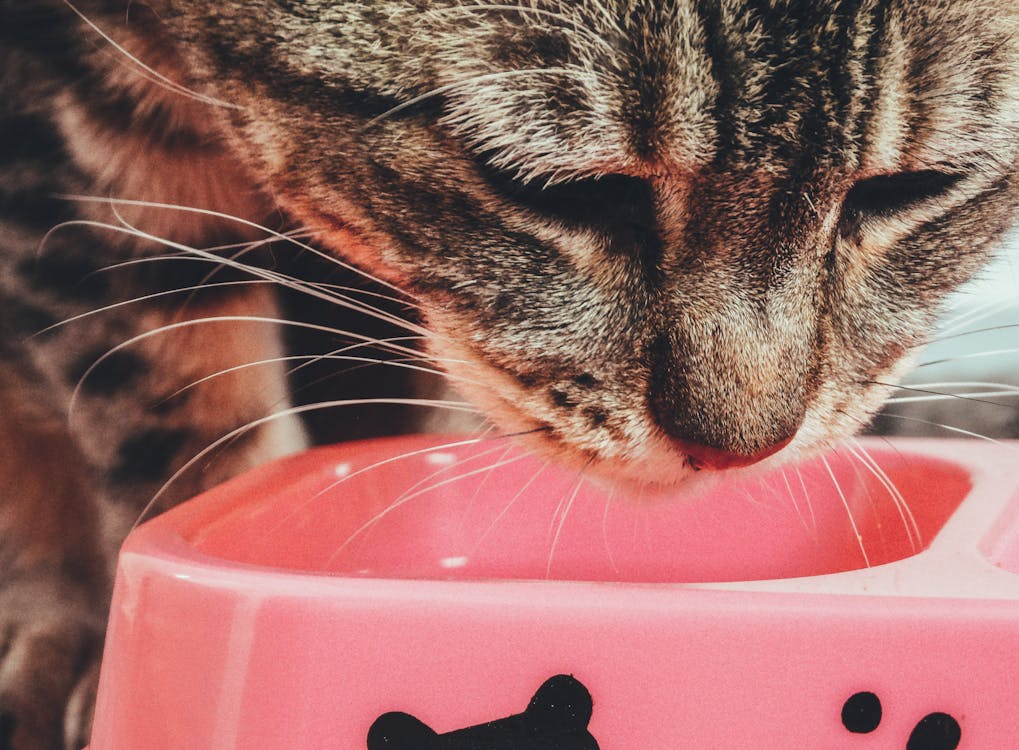
A cat with dental pain will rarely stop eating altogether in the early stages. Instead the changes are more nuanced. You might notice your cat taking longer at the food bowl, dropping kibble while chewing, tilting their head to one side while eating, or gravitating toward the softer portions of their food. Some cats begin approaching the bowl with apparent hunger then walking away after only a few bites.
These behavioral shifts are the cat’s way of eating around a painful area. They are easy to miss or explain away as pickiness but when they persist they deserve closer attention. Any meaningful change in how your cat eats, not just whether they eat, is worth noting and discussing with your veterinarian.
2. Bad Breath
A cat’s breath should not be particularly pleasant but it also should not be noticeably foul. Persistent bad breath in a cat is one of the clearest indicators that bacterial activity in the mouth has reached a problematic level. The odor comes from the byproducts of bacterial metabolism as they break down food particles, plaque, and infected tissue.
Many owners assume that bad breath is simply part of having a cat and do not connect it to a treatable oral health problem. If your cat’s breath has a noticeably strong, sour, or rotten smell that is present consistently, this warrants a veterinary dental examination rather than simply being tolerated.
3. Excessive Drooling or Wet Chin
Cats do not typically drool the way dogs do. If you notice your cat leaving wet spots where they rest, finding their chin or chest fur damp, or observing strings of saliva around their mouth, this can signal oral pain or infection. The mouth produces more saliva in response to irritation and inflammation and the cat may drool more as a result.
In some cases the saliva may have a slight pink tinge if the gums are bleeding from cat gum disease. This is a more urgent sign that should not be delayed.
4. Pawing at the Mouth or Face
When dental pain becomes more pronounced some cats will periodically paw at the side of their face or rub their mouth along surfaces. This behavior is an attempt to relieve pressure or discomfort in the mouth. It tends to be brief and intermittent so it can easily be missed if you are not watching closely.
If you observe your cat repeatedly touching their face, shaking their head, or rubbing their jaw against furniture or the floor these are meaningful signals that something in the mouth is causing them discomfort.
5. Reduced Grooming
Cats are meticulous self-groomers. A cat whose grooming habits have changed, particularly one whose coat is becoming dull, matted, or unkempt in areas they would normally keep clean, may be experiencing mouth pain that makes the process uncomfortable. Grooming requires significant jaw and tongue movement. When the mouth hurts, cats often groom less thoroughly or stop grooming certain areas altogether.
This sign is particularly easy to attribute to laziness or aging but when combined with other subtle changes it often points to an underlying health issue including signs of cat dental disease.
6. Changes in Social Behavior and Temperament
A cat experiencing chronic oral pain may become less social, more withdrawn, or more irritable than usual. They may resist being petted around the head or face, pull away when you touch near their mouth, or react with unusual sharpness when handled. Some cats become more reclusive in general as chronic discomfort wears on their mood and tolerance.
These personality shifts are commonly attributed to aging or stress but they can also reflect the ongoing impact of untreated cat oral health problems. For more on how pain manifests as behavioral changes in pets, this article on understanding your pet’s pain and how to spot and manage it provides a helpful framework.
7. Favoring One Side of the Mouth
You may observe your cat consistently chewing on only one side or turning their head in a particular direction while eating. This is the cat actively avoiding using a painful tooth or section of the gum. Over time this compensation can contribute to accelerated wear or tartar buildup on the side of the mouth they are using more heavily.
8. Weight Loss
Dental disease in cats that has reached a stage where eating is consistently uncomfortable can lead to reduced food intake over time. This may show up as gradual weight loss over several weeks or months. Because the change is slow it can be difficult to notice without regular weigh-ins at veterinary visits.
Unexplained weight loss in a cat always warrants investigation. Dental disease is one of many potential causes and is often overlooked in the diagnostic process when owners focus on more obvious systemic conditions. For more context on the importance of wellness visits in catching subtle changes like this, this guide on why regular vet checkups are the best gift for your pet’s health explains how routine monitoring prevents minor issues from becoming major ones.
9. Chattering or Clicking Sounds While Eating
Some cats with painful teeth or jaw discomfort make unusual clicking or chattering sounds while chewing. This can occur when the cat is trying to manipulate food carefully around a painful tooth or when jaw movement is restricted by inflammation. It is not a common observation but when noticed it almost always indicates oral discomfort that requires evaluation.
10. Visible Changes in the Mouth
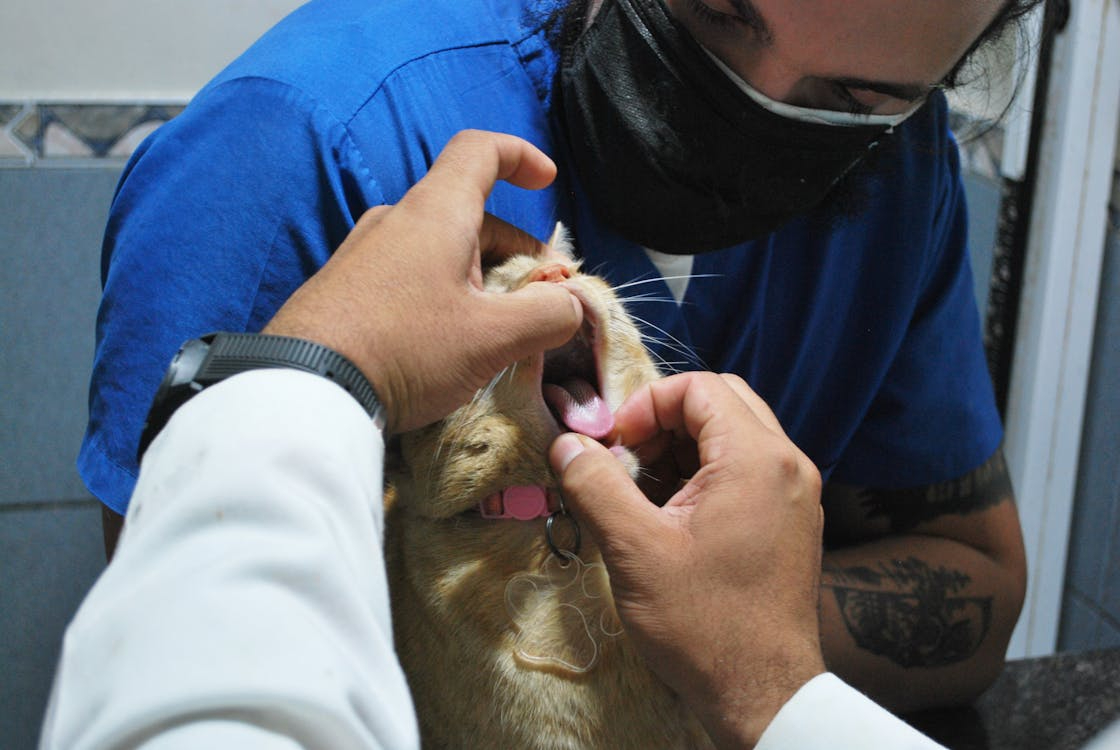
When you do have the opportunity to glance at your cat’s mouth, knowing what healthy looks like helps you identify problems. Healthy gums are firm and pale pink with a clean edge where they meet the tooth. Red or swollen gum tissue, a dark red line running along the gumline, visible brown or yellow tartar on the tooth surface, receding gums that expose more of the tooth root, and any visible lumps or growths in the mouth are all signs that warrant professional attention.
Many owners never look inside their cat’s mouth so these signs go unnoticed for years. Even a brief monthly check can make a meaningful difference in catching problems earlier.
Why Cat Gum Disease Is Particularly Serious
Cat gum disease, or periodontal disease, is notable not just for the local damage it causes to the teeth and supporting structures but for the broader health consequences it can trigger. The bacteria present in infected gum tissue and the inflammatory molecules they stimulate can enter the bloodstream through damaged gum surfaces.
Once in circulation these bacteria and inflammatory agents can reach and affect the kidneys, heart, and liver. Given that cats are already at higher risk of kidney disease as they age, the additional burden of chronic oral infection can accelerate the decline of kidney function. This makes addressing cat oral health not just a matter of preventing tooth loss but of protecting long-term organ health.
For more on kidney disease in cats and why early detection matters so much, this resource on kidney disease in cats you should not ignore is worth reading.
What Veterinary Dental Care Involves for Cats
A professional dental evaluation for cats begins with a thorough physical examination of the mouth while the cat is awake to assess visible gum color, swelling, tartar accumulation, and tooth condition. However a complete dental assessment requires general anesthesia. Cats will not hold still voluntarily for the detailed probing and imaging needed to evaluate what is happening below the gumline where much of the real damage in periodontal disease occurs.
Under anesthesia the veterinarian can probe around each tooth to measure pocket depths, take dental x-rays to assess bone loss and root health, identify teeth that are fractured, abscessed, or resorbing from the inside, perform professional scaling to remove plaque and tartar both above and below the gumline, and extract teeth that are no longer salvageable.
The idea of anesthesia can concern some pet owners but the risks of untreated dental disease far outweigh the risks of a properly conducted anesthetic procedure in a healthy cat. Modern veterinary anesthesia is very safe and the monitoring protocols used ensure your cat’s comfort and safety throughout the procedure.
For information on dental surgery and what professional dental care entails, your veterinarian can walk you through the specifics during a consultation. You can also read more about why routine dental care matters in this guide on the benefits of routine dental care for your pet.
Supporting Cat Oral Health Between Veterinary Visits
Professional cleanings are essential but what happens between visits also matters. There are several steps you can take at home to slow the progression of plaque accumulation and support your cat’s oral health.
Tooth brushing is the gold standard of at-home dental care. Using a small soft-bristled toothbrush or finger brush designed for cats along with a pet-safe toothpaste, daily or near-daily brushing removes plaque before it can harden. Many cats require gradual desensitization to accept tooth brushing. Starting slowly by letting the cat lick toothpaste from your finger and gradually progressing to touching the teeth and gums over several weeks makes the process more successful.
Dental diets are formulated with a specific kibble texture and size that encourages more chewing and helps mechanically scrub the tooth surface as the cat eats. These diets carry the Veterinary Oral Health Council seal of acceptance when they meet evidence-based standards for reducing plaque and tartar.
Dental treats, water additives, and dental gels can provide supplementary support though none of these replaces brushing or professional cleaning. Ask your veterinarian which products they recommend for your cat’s specific needs.
Providing appropriate enrichment and a low-stress environment also supports oral health indirectly. Stress is associated with immune suppression which can make the oral tissues less resilient against bacterial challenge. For more on how stress affects cat health more broadly, this article on how stress affects your pet’s health and what you can do about it provides actionable guidance.
When to Schedule a Dental Evaluation
You do not need to wait until you see obvious signs of a problem to have your cat’s teeth evaluated. Annual dental examinations as part of a routine wellness visit are recommended for all cats. Cats over seven years of age or those with a history of dental problems benefit from more frequent assessments.
Schedule an evaluation sooner if your cat shows any of the signs discussed in this article including changes in eating behavior, bad breath, drooling, pawing at the face, reduced grooming, behavioral changes, or visible changes in the gums or teeth. The earlier signs of cat dental disease are identified and addressed the less invasive and less extensive the treatment needed will be.
Early detection through consistent preventive care is one of the most effective strategies available for protecting your cat’s long-term health. For more on how preventive veterinary care contributes to better outcomes, this piece on why preventive care for pets is crucial for early detection of health issues explains the broader value of staying ahead of developing conditions.
Conclusion
Dental disease in cats is pervasive, progressive, and far more impactful on overall health than its gradual onset might suggest. Because cats are so skilled at concealing discomfort the signs of cat dental disease often go unnoticed at home until the condition is well advanced. Learning to recognize the subtler signals including changes in eating habits, persistent bad breath, altered grooming, behavioral shifts, and changes in the appearance of the gums gives you a real advantage in protecting your cat’s oral health before damage becomes irreversible.
At Kainer Veterinary Hospital, our team provides thorough dental examinations and professional dental care tailored to every cat’s needs. We combine gentle handling with advanced veterinary techniques to assess, clean, and treat feline dental conditions at every stage. Contact us today to schedule a dental evaluation for your cat and give them the oral health care they deserve.
FAQs
Q: How often should cats have a professional dental cleaning?
A: Most cats benefit from a professional dental cleaning once a year. Cats with a history of dental disease or rapid tartar buildup may need more frequent cleanings. Your veterinarian will recommend a schedule based on your individual cat’s oral health needs and examination findings.
Q: Is it safe for cats to go under anesthesia for a dental cleaning?
A: Yes. Modern veterinary anesthesia is very safe when proper pre-anesthetic screening and monitoring are used. The risks of leaving dental disease untreated are typically greater than the small risks associated with a properly conducted anesthetic procedure in a healthy cat.
Q: Can cat gum disease be reversed?
A: Early-stage cat gum disease, specifically gingivitis, can be reversed with professional cleaning and consistent at-home care. Once the disease progresses to periodontitis with bone and tissue loss the damage is permanent though further progression can be slowed with appropriate treatment and ongoing maintenance.
Q: My cat is still eating well. Could they still have dental disease?
A: Yes, absolutely. Cats frequently continue eating despite significant dental pain by adapting how they chew. Maintaining a normal appetite does not rule out dental disease. Subtle changes in eating behavior combined with other signs are more reliable indicators than appetite alone.
Q: What is the best way to brush my cat’s teeth at home?
A: Use a small soft-bristled pet toothbrush or finger brush with a cat-safe toothpaste. Introduce the process gradually over several weeks. Aim for daily brushing but even a few times per week provides meaningful benefit. Never use human toothpaste as it contains ingredients that are harmful to cats.