

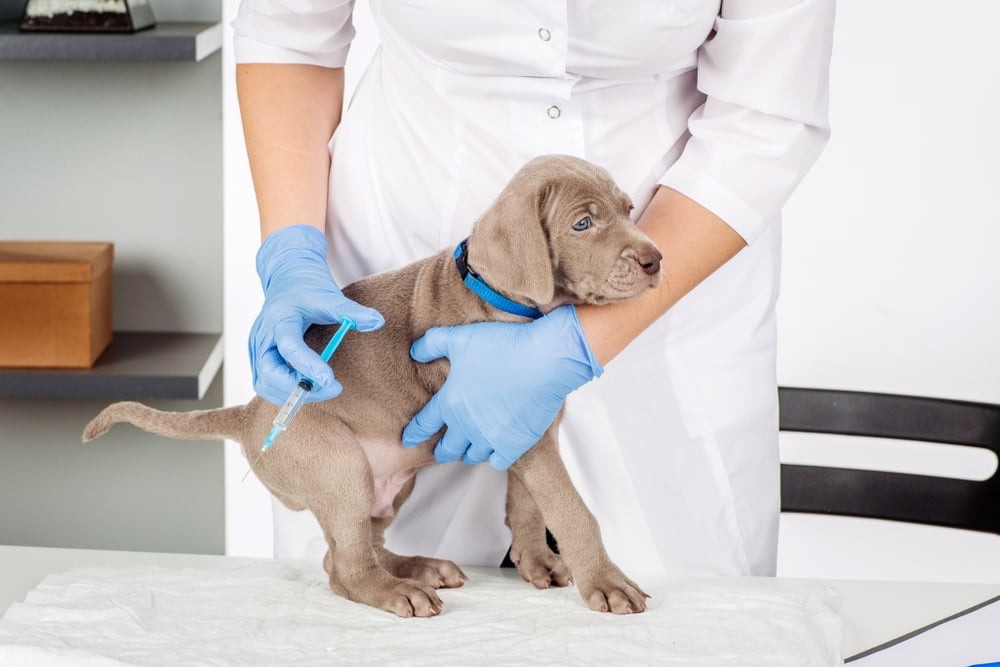
If you have been following the news in Texas recently, you may have already heard about screwworms. What started as a concern primarily for livestock and wildlife has now been confirmed in dogs in Texas, and pet owners across the state are understandably looking for answers. Understanding what is screw worm in dogs, how the infestation develops, and what protection is available puts you ahead of a problem that veterinarians expect to remain in the headlines for some time.
The encouraging message for dog owners is a simple one: protection exists, and dogs that are already covered do not need to panic. This guide explains the biology of the screwworm parasite, how it affects dogs, what symptoms to look for, and what steps you can take right now to keep your pet safe.
What Is a Screwworm?
The Biology of the Screwworm Parasite
The screwworm is not actually a worm. It is the larval stage of a parasitic fly known scientifically as Cochliomyia hominivorax. This species is commonly called the New World screwworm fly and it is one of the most destructive animal parasites known to exist in the Western Hemisphere.
What makes this fly uniquely threatening compared to other fly species is its behavior. While most flies lay their eggs in dead or decaying tissue, the screwworm fly targets living, warm-blooded animals. The female screwworm fly is attracted to the smell of fresh wounds, body openings, or even minor skin irritations on a living host. She lays her eggs directly at these sites and within hours the eggs hatch into larvae that burrow into the living tissue and begin feeding.
The larvae are shaped with a distinctive spiral or screw-like form, which is where the name screwworm comes from. As they feed they rotate and drill deeper into the tissue in a corkscrew motion, causing progressive destruction of healthy tissue. Unlike most fly larvae that feed on dead material, screwworm larvae require living tissue to survive and develop.
The Screwworm Fly and Its Life Cycle
Understanding the screwworm fly life cycle explains both why this pest spreads so effectively and why prompt treatment is so critical once an infestation begins.
The female fly deposits between 200 and 400 eggs at the edges of a wound or body opening in a single laying event. Eggs hatch within 12 to 24 hours. The larvae feed on living tissue for five to seven days, growing significantly in size during this period. They then drop from the host into the soil where they pupate. Adult flies emerge from the soil approximately seven to nine days later and the cycle begins again.
A single untreated wound can attract multiple egg-laying events from different flies, meaning the larval population in an untreated wound can grow rapidly. This rapid escalation is what makes screwworm infestations so urgent once they take hold.
Historical Context and the Current Texas Situation
The New World screwworm was eradicated from the United States in the 1960s through a large-scale sterile insect technique program. For decades the primary screwworm threat in the US came from reintroduction events near the southern border.
In late 2024 and into 2025 a screwworm outbreak was confirmed in Florida affecting deer populations. More recently screwworm cases have been identified in Texas, including in domestic animals. The current confirmed activity is concentrated in South Texas, approximately 600 miles from the greater Houston and Conroe area. However, the screwworm fly is capable of traveling significant distances and wildlife movement can carry the pest northward. Veterinarians across Texas are treating this as an active and expanding concern rather than a distant one.
How Screwworm Affects Dogs
Why Dogs Are at Risk
While screwworm in dogs historically received less attention than its impact on cattle, deer, and horses, it can and does affect domestic dogs. Dogs are at risk any time they have an open wound, a skin abrasion, a surgical site, an ear infection with discharge, skin folds that trap moisture, or even tick bite sites. The screwworm fly does not require a large wound to gain access. Minor irritations and small openings are sufficient entry points.
Dogs that spend time outdoors are at elevated risk simply due to greater exposure to the environment where the fly may be present. However indoor dogs that go outside for bathroom breaks or walks are not fully protected by their indoor lifestyle.
The Progression of Screwworm Infestation in Dogs
The progression of screwworm infestation in dogs moves through recognizable stages. Understanding this timeline helps owners recognize the problem as early as possible.
| Stage | Timeframe | What Is Happening |
| Egg laying | Within hours of wound exposure | Female fly deposits eggs at the wound site |
| Egg hatch | 12 to 24 hours after laying | Larvae emerge and begin burrowing into tissue |
| Active feeding | Days 1 through 7 | Larvae drill deeper, tissue destruction progresses |
| Larval drop | Day 5 to 7 | Mature larvae drop from the wound into the soil |
| Wound deterioration | Ongoing without treatment | Secondary infection, tissue necrosis, systemic illness |
The speed of this progression is one of the most important things for pet owners to understand. An infestation that looks like a minor wound issue on day one can become a serious and life-threatening condition by day three or four without intervention. Waiting to see if a wound improves on its own is not a safe approach when screwworm activity has been reported in the region.
Recognizing Screwworm Symptoms in Dogs
What to Look For
One of the challenges with identifying screwworm infestation in dogs early is that the initial signs can resemble an ordinary wound infection. The difference becomes more apparent as the infestation progresses. Here are the key signs to watch for:
- A wound that appears to be growing larger or deeper despite no new trauma
- Visible movement within a wound, which indicates larvae are present and active
- A foul or unusually strong odor coming from a wound or body opening
- Small white or cream-colored larvae visible at or within the wound site
- Bloody or watery discharge from a wound that was previously dry or healing
- Your dog showing intense distress around a specific wound site, scratching, licking, or biting at it persistently
- Rapid deterioration in the general condition of a wound within 24 to 48 hours
- Swelling around a wound that is disproportionate to the injury size
- Lethargy, reduced appetite, or fever as the infestation progresses and secondary infection develops
- Any wound involving the ears, nose, mouth, or anal area showing unusual discharge or odor
Body Openings and High-Risk Sites
The screwworm fly shows a particular attraction to certain areas of the body. The ears are a high-risk site in dogs, especially those with floppy ears that trap moisture or those with existing ear infections. The skin folds in certain breeds, the area around the eyes in dogs prone to discharge, and any surgical incision site are all areas that warrant careful monitoring.
For guidance on recognizing when a wound or skin change requires urgent veterinary attention, this article on how to spot early signs of illness in your pets is a helpful reference. For information on how wounds progress and what to watch for during healing, this guide on the stages of your dog’s infected wound healing covers the warning signs that something more serious is developing.
Which Animals Are Most at Risk?
Screwworm Across Animal Species
The screwworm parasite does not limit itself to one type of animal. All warm-blooded animals are potential hosts. In Texas the animals most heavily affected by screwworm outbreaks historically are cattle, horses, and white-tailed deer. These animals often have wounds from fencing, flies, breeding activity, or outdoor injuries that go unnoticed until an infestation is well established.
The table below shows the range of animals susceptible to screwworm infestation:
| Animal Category | Examples | Risk Level |
| Livestock | Cattle, sheep, goats, pigs | Very high, primary outbreak hosts |
| Horses | All equine | Very high, especially around wounds |
| Wildlife | Deer, feral hogs, coyotes | Very high, significant spread vector |
| Domestic dogs | All breeds | Moderate to high with outdoor exposure |
| Other domestic pets | Rabbits, guinea pigs | Possible, especially with wounds present |
It is worth noting that Bravecto, which contains fluralaner as its active compound, is approved for dogs and provides protection against screwworm larvae. Bravecto is not currently approved for cats, which means the protective approach discussed in this blog applies specifically to dogs. Cat owners with concerns about their pet’s exposure to parasites should speak with their veterinarian about appropriate protective options.
Wildlife plays a significant role in spreading the screwworm fly across geographic areas. White-tailed deer in particular are abundant in Texas and move freely across large territories, carrying the fly and potentially infected wounds into new areas. This is a key reason why a problem that begins in South Texas cannot simply be assumed to stay there.
What to Do If You Suspect Screwworm in Your Dog
Act Immediately
If you notice any of the warning signs described above in a wound on your dog do not wait. Screwworm infestation is a veterinary emergency that worsens rapidly without treatment. Contact your veterinarian right away and describe what you are seeing in as much detail as possible including the location of the wound, when you first noticed changes, and whether you have seen any larvae.
Do not attempt to remove larvae yourself. Improper removal can leave larvae behind in the tissue or cause them to rupture, increasing the risk of infection. Veterinary treatment ensures the infestation is addressed safely and completely.
Your vet will clean and debride the wound, remove larvae under appropriate conditions, and assess whether the infestation has reached a depth or extent that requires more intensive intervention. Systemic support may be needed if the dog has developed secondary infection or is showing signs of systemic illness.
For context on when a situation warrants emergency veterinary care versus a standard appointment, this guide on emergency vet care and how to recognize when your pet needs immediate attention provides a helpful framework.
How Bravecto Protects Dogs Against Screwworm
The Role of Fluralaner in Screwworm Protection
One of the most important pieces of information for dog owners in Texas right now is that a proven protective tool already exists. Bravecto and Bravecto Quantum, which are available at veterinary clinics and contain the active compound fluralaner, have been shown to be effective against screwworm larvae in dogs.
Fluralaner works systemically meaning it circulates through the dog’s bloodstream. When screwworm larvae begin feeding on tissue they are exposed to the compound and eliminated before the infestation can progress. This systemic mechanism is what makes Bravecto effective not just against fleas and ticks but against the screwworm parasite as well.
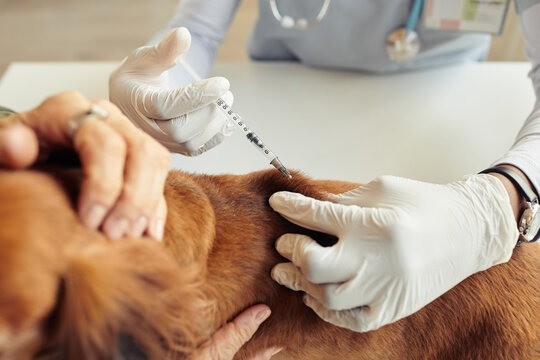
Bravecto Quantum is a once-yearly injectable administered by a veterinarian that provides twelve months of continuous protection. This is particularly relevant for screwworm because continuous systemic coverage means a dog is protected even from exposure events the owner does not know have occurred. There is no gap in coverage and no daily or monthly dose to remember.
For dogs already receiving Bravecto Quantum protection, the key message from veterinarians is reassuring: your dog is protected. The active compound in their system is working to address any larval exposure that occurs, including from the screwworm fly.
For a full overview of how Bravecto Quantum works and what it protects against, this guide on the benefits of Bravecto Quantum for dogs covers the details thoroughly.
Why Year-Round Protection Matters More Than Ever
The screwworm fly is active in warm conditions and Texas provides a favorable climate for extended fly activity across much of the year. Relying on protection only during certain seasons is not a reliable strategy when the fly may be active for eight or more months of the year in this region.
Year-round systemic protection through Bravecto Quantum ensures your dog is covered regardless of when exposure occurs. The single annual injection given at a routine veterinary visit removes the need for monthly tracking and ensures consistent coverage without gaps.
This also connects directly to the broader value of proactive preventive care. Staying ahead of emerging parasite threats rather than responding after exposure is the foundation of good pet health management. For more on how preventive care protects pets from developing health problems, this article on why preventive care for pets is crucial for early detection of health issues explains the principle well.
Practical Steps to Reduce Your Dog’s Screwworm Risk
Home and Environment Management
While systemic protection through Bravecto provides the most reliable defense, practical management of your dog’s environment and wounds reduces the opportunity for the screwworm fly to gain access.
- Inspect your dog thoroughly after any outdoor activity, paying close attention to any cuts, scrapes, or skin abrasions
- Keep existing wounds clean and covered where possible and change dressings regularly
- Address any ear infections, skin fold irritation, or eye discharge promptly so that discharge does not attract flies
- Avoid leaving your dog unsupervised outdoors in areas with high wildlife activity, particularly deer
- Check your dog’s entire body daily during periods of elevated screwworm risk in your region
- If your dog has a surgical incision or recovering wound, keep the site protected and monitor it multiple times daily
- Keep your yard tidy and free of decaying organic material that can attract fly populations generally
Working With Your Veterinarian
The most important step any dog owner in Texas can take right now is to ensure their dog is up to date on appropriate parasite protection and to have an open conversation with their veterinarian about the current screwworm situation and their individual dog’s risk level.
Dogs that are not currently covered by a systemic parasite preventative containing fluralaner should have this conversation as a priority. Dogs with wounds, recovering from surgery, or living in areas with active outdoor wildlife exposure are in a higher risk category and deserve particular attention.
Regular wellness visits are the foundation of catching problems early and ensuring protective protocols are current. For more on why consistent veterinary care matters especially for preventing and managing parasite-related conditions, this resource on what you should know about parasites and your pet’s health provides a solid overview.
Keeping Dogs Safe as the Situation Evolves
The screwworm situation in Texas is being actively monitored by state and federal agricultural authorities. The USDA and Texas animal health officials are working to contain the spread and protect livestock and wildlife populations. However the situation remains active and the geographic range of confirmed cases can shift.
Pet owners in the greater Texas area should stay informed through local veterinary updates and be prepared to act quickly if they notice any suspicious wound changes in their dogs. The combination of owner awareness, consistent protective coverage, and prompt veterinary response when needed is the most effective defense available.
Protecting Your Dog Starts Today
Screwworm in dogs is a serious concern but it is one that responsible and informed pet owners can address effectively. Understanding what is screw worm in dogs, recognizing the warning signs early, and ensuring your dog has appropriate systemic protection through products containing fluralaner gives you a strong foundation for keeping your pet safe as this situation continues to develop across Texas.
At Kainer Veterinary Hospital, our team is staying current with the evolving screwworm situation in Texas and is here to help you protect your dog with the right preventive care. We offer Bravecto Quantum injections and comprehensive parasite protection evaluations tailored to your dog’s individual lifestyle and risk profile. Contact us today to schedule an appointment and make sure your dog is protected before the screwworm fly reaches your area.
FAQs
Q: What is screw worm in dogs and how does it differ from a regular wound infection?
A: Screwworm infestation involves live fly larvae actively feeding on living tissue rather than bacteria infecting a wound. The wound grows rapidly, visible larvae may be present, and the odor is distinctive. It worsens far faster than a standard infection and requires urgent veterinary care.
Q: Is the screwworm parasite currently a threat to dogs in the Conroe and Woodlands area?
A: Confirmed cases are currently centered in South Texas, about 600 miles away. However the screwworm fly can travel and wildlife movement spreads it across geographic areas. Texas veterinarians consider it an active and expanding concern that all dog owners in the state should prepare for now.
Q: How does Bravecto protect dogs against the screwworm fly?
A: Bravecto contains fluralaner which works systemically through the dog’s bloodstream. When screwworm larvae begin feeding on tissue they are exposed to fluralaner and eliminated. Dogs covered by Bravecto or Bravecto Quantum have ongoing systemic protection against screwworm larvae as part of their year-round parasite coverage.
Q: What should I do if I find larvae in my dog’s wound?
A: Contact your veterinarian immediately. Do not attempt to remove larvae yourself as improper removal can worsen the infestation. Screwworm infestation is a veterinary emergency that progresses quickly. Prompt professional treatment gives your dog the best chance of a full recovery with minimal tissue damage.
Q: Is my cat also at risk from screwworm and can they receive the same protection?
A: Cats are warm-blooded and can theoretically be exposed to the screwworm fly. However Bravecto is not currently approved for use in cats. Cat owners with concerns about screwworm exposure should speak directly with their veterinarian about what protective options are appropriate and available for their feline pet.