

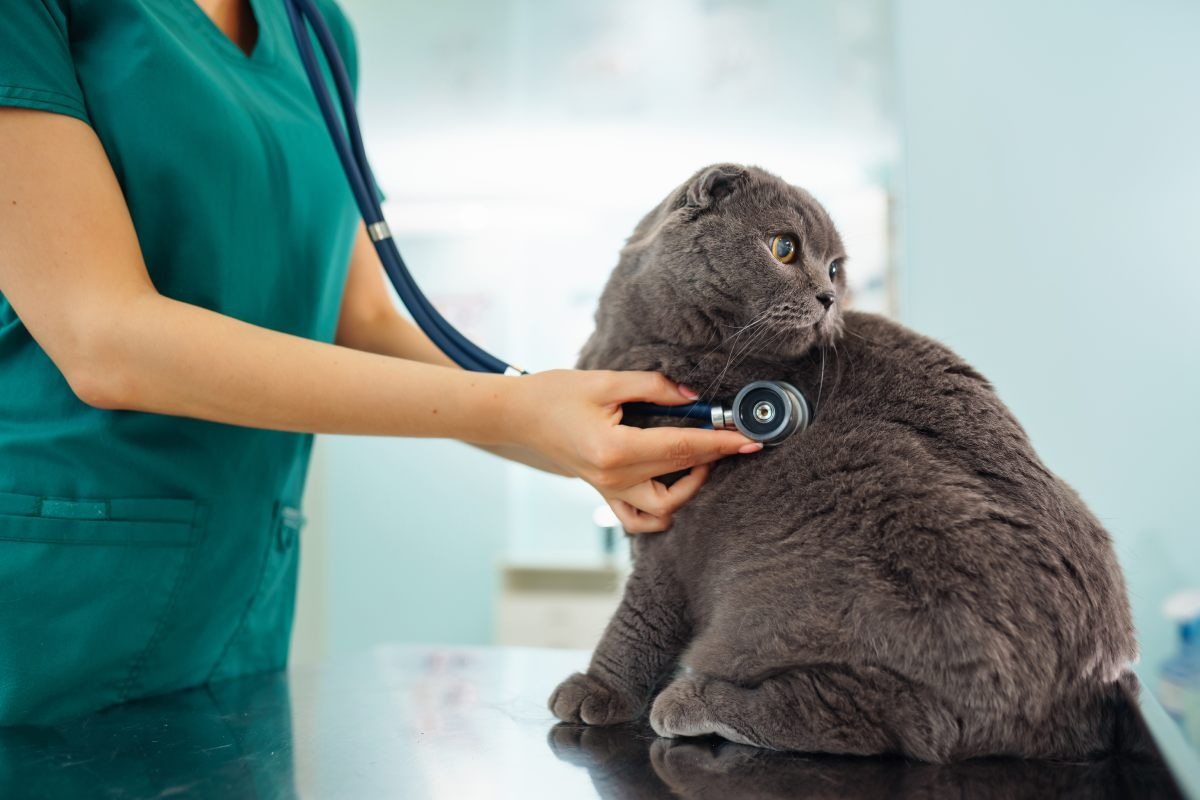
Aging is a natural part of a pet’s life and for many dogs and cats the senior years can be some of the most rewarding. But those years also bring a higher risk of developing health conditions that are far easier to manage when caught early. The problem is that aging pets often mask their discomfort and decline so gradually that owners do not notice anything is wrong until a condition is significantly advanced.
A senior pet wellness exam is the single most effective tool available for closing that gap. It gives veterinarians a structured opportunity to examine every system in an aging pet’s body, run targeted diagnostic tests, and identify problems before they cause serious harm. For pet owners committed to giving their dog or cat the best possible quality of life in their later years, understanding what these exams involve and why they matter so much is a meaningful first step.
Why Senior Pets Need More Than a Basic Annual Checkup
The Difference Between Adult and Senior Veterinary Care
A healthy young adult pet can often do well with a standard annual wellness visit that covers vaccinations, a basic physical exam, and parasite screening. The risk profile for a two-year-old dog or cat is fundamentally different from that of a ten-year-old one.
As pets age their organ function changes, their immune response becomes less robust, their metabolism slows, and they accumulate years of environmental and dietary exposure. Conditions like kidney disease, diabetes, hyperthyroidism, heart disease, arthritis, dental disease, and cancer all become significantly more common in older animals. Many of these conditions share a critical characteristic: they progress silently. Blood values shift, organ function declines, and tumors develop long before outward symptoms appear.
How Often Should Senior Pets Be Examined?
Most veterinarians recommend that senior dogs and cats be seen at least twice a year rather than annually. A year in a senior pet’s life is the equivalent of several human years. A health condition that was not present six months ago may have developed and progressed significantly by the time a twelve-month visit rolls around.
For pets with known chronic conditions such as kidney disease, heart disease, or diabetes, more frequent visits may be recommended to monitor treatment response and adjust care plans as needed.
What a Senior Pet Wellness Exam Includes
Physical Examination
The foundation of every senior pet wellness exam is a thorough head-to-tail physical examination. This is more detailed than a routine adult check and takes into account the specific vulnerabilities of aging bodies.
During the physical exam your veterinarian will assess the eyes for cloudiness or signs of hypertensive damage, check the ears for infection and hearing changes, evaluate the mouth and teeth for periodontal disease and oral masses, listen to the heart and lungs for murmurs or fluid accumulation, palpate the abdomen for organ enlargement or masses, feel lymph nodes for swelling, assess the skin and coat for lumps or changes, evaluate joint mobility and muscle condition, compare body weight to previous visits, and check neurological responses.
Each of these assessments can reveal important information that would be invisible to even the most attentive pet owner at home. A skilled veterinarian can detect a heart murmur before breathing changes begin, feel an abdominal mass before it causes symptoms, or notice subtle muscle loss that signals systemic disease.
Diagnostic Blood and Urine Testing
Physical examination alone is not enough for a complete picture of a senior pet’s health. Diagnostic testing is a core component of thorough senior pet care because it reveals what is happening inside the body at a cellular and biochemical level.
The table below outlines the standard tests included in a senior wellness panel and what each one evaluates:
| Diagnostic Test | What It Evaluates |
| Complete Blood Count (CBC) | Red and white blood cells, immune function, anemia |
| Blood Chemistry Panel | Liver, kidneys, pancreas, blood sugar, electrolytes |
| Thyroid Levels | Hyperthyroidism in cats, hypothyroidism in dogs |
| Urinalysis | Kidney function, hydration, infection, glucose in urine |
| Blood Pressure | Hypertension linked to kidney and heart disease |
| Heartworm Test | Required annually before preventive treatment |
| Fecal Examination | Intestinal parasites |
Early disease detection through this panel allows the veterinarian to identify conditions like early kidney disease, diabetes, hyperthyroidism, and liver changes before clinical signs develop. Treatment started at this early stage is almost always more effective and less demanding on the pet’s body than treatment initiated after symptoms are obvious.
For more on the diagnostic tools veterinarians use and what they reveal, this complete guide on pet diagnostic tests for new pet owners covers each test in detail.
Blood Pressure Measurement
High blood pressure is a frequently overlooked condition in aging pets. It can develop as a consequence of kidney disease, hyperthyroidism, or heart disease and it can also accelerate damage to these same organs creating a damaging cycle. Hypertension causes harm to the eyes, brain, kidneys, and blood vessels and in cats can lead to sudden blindness.
Blood pressure measurement is non-invasive and takes only a few minutes. Including it routinely in the senior pet wellness exam means hypertension is identified and managed before it causes irreversible damage.
Mobility and Pain Assessment
Arthritis is extremely prevalent in senior dogs and cats and one of the most consistently undertreated conditions in veterinary medicine. This is not because treatments are unavailable but because pets mask pain so effectively that owners and even some general physical exams miss it.
A dedicated mobility and pain assessment during the pet annual exam evaluates gait, joint range of motion, muscle mass symmetry, posture, and the dog or cat’s reaction when specific joints are manipulated. This assessment helps identify arthritis and other orthopedic problems early when conservative management, weight control, and therapies like acupuncture and cold laser can make a significant difference.
For more on how arthritis develops in aging pets and what early intervention looks like, this guide on early signs of arthritis in dogs and how to spot joint pain early provides a detailed overview.
Dental Evaluation
Dental disease is one of the most common health problems in senior pets and one of the most impactful on overall health. Advanced periodontal disease allows bacteria to enter the bloodstream and contribute to kidney, liver, and heart damage. A dental evaluation during the senior wellness visit assesses the degree of plaque and tartar accumulation, gum health, and whether professional dental cleaning under anesthesia is needed.
For more on the systemic impact of dental disease in aging pets, this article on the importance of dental health for dogs and cats explains why oral care is a whole-body health concern.
Nutritional and Weight Assessment
Body weight and body condition scoring are evaluated at every senior wellness visit. Unexplained weight loss in a senior pet is always significant and warrants investigation. Weight gain in a senior pet increases the burden on arthritic joints and cardiovascular health.
Senior pets often have different nutritional needs than younger adults. Protein requirements, caloric density, phosphorus levels, and moisture content all become more relevant as organ function changes with age. The wellness exam is an opportunity to discuss whether the current diet still meets the pet’s needs or whether a transition to a senior-specific or prescription diet is appropriate.
Conditions Most Commonly Caught at Senior Wellness Exams
Early Kidney Disease
Kidney disease is the leading cause of death in cats and a significant concern in senior dogs as well. The kidneys have remarkable compensatory capacity, meaning that blood values often remain in the normal range until approximately 75 percent of kidney function has been lost. Once values become abnormal on a blood panel the disease is already at a moderate stage.
Newer biomarkers available in senior panels can detect kidney changes earlier than traditional measurements. Catching kidney disease in its earliest stages allows dietary and medical management to begin at a point where it can meaningfully slow progression and extend quality life years.
For more on kidney disease in cats and why early detection is so important, this resource on kidney disease in cats you should not ignore covers what every cat owner should know.
Heart Disease
Heart murmurs and early cardiac changes are frequently detected during the physical examination component of the senior wellness visit before a pet shows any symptoms. Identifying a murmur allows for further cardiac workup including chest x-rays and echocardiogram to assess heart size and function. Early management of heart disease slows progression and significantly improves quality and length of life.
For an in-depth look at cardiac conditions in aging pets, this article on why early detection of heart disease in pets is crucial explains the importance of acting before symptoms develop.
Diabetes
Elevated blood glucose and glucose in the urine are detected through routine blood and urine testing during the senior pet wellness exam. Diabetes in dogs and cats is manageable with appropriate treatment but requires prompt diagnosis. Undetected diabetes leads to serious complications including cataracts in dogs and neuropathy in cats.
Hyperthyroidism in Cats
Hyperthyroidism is one of the most common endocrine disorders in cats over ten years of age. It is caused by an overactive thyroid gland and leads to weight loss despite increased appetite, increased thirst and urination, restlessness, and eventually heart and kidney complications. Thyroid hormone levels are checked as part of the senior blood panel and when caught early the condition is very effectively managed.
Cancer
Early cancer detection is one of the most impactful benefits of consistent senior pet care. The hands-on physical examination includes palpation of lymph nodes and the body surface for unusual masses. Abdominal palpation may detect organ enlargement or internal masses. Blood values may reveal abnormalities that point toward certain cancers. When suspicious findings are identified imaging and fine needle aspiration can follow quickly to confirm the diagnosis at an earlier and more treatable stage.
Preventive Treatments Discussed at Senior Wellness Exams
Parasite Prevention
Annual heartworm testing is required before injectable preventatives can be administered. The senior wellness visit provides the natural occasion to run this test and administer the injection in a single appointment. Flea, tick, and intestinal parasite prevention are also reviewed and updated as needed based on current protocols and the pet’s lifestyle.
Allergy Management
Senior dogs frequently experience worsening allergy symptoms as their immune regulation changes with age. The annual wellness visit is an ideal opportunity to discuss whether the current allergy management plan is still adequate or whether a more targeted approach is needed.
Allergy injections for dogs such as Cytopoint offer a monthly injection option for controlling allergic itch without the systemic side effects of long-term steroid use. For dogs whose owners find monthly administration of other treatments inconsistent, discussing allergy injections for dogs during the wellness exam allows a more structured and reliable management plan to be put in place.
For more detail on how Cytopoint works and who it is most suitable for, this guide on how Cytopoint for dogs works against allergic itching covers the mechanism and expectations in full.
Vaccination Review
Vaccine protocols for senior pets are not identical to those for younger animals. Some vaccines may be administered less frequently in senior pets with strong immunity while others remain essential. The wellness visit is when your veterinarian reviews the pet’s current vaccination status and makes evidence-based recommendations for what is needed going forward.
How to Prepare for Your Senior Pet’s Wellness Exam
Before the Appointment
Being well-prepared helps the veterinary team make the most of the time available and ensures no important detail is missed. The table below outlines the most useful steps to take before arriving:
| Preparation Step | Why It Matters |
| Bring a fresh urine sample | Allows immediate urinalysis without delay |
| Bring a stool sample | Enables fecal parasite screening on the same visit |
| Note any behavioral changes | Even small shifts in appetite, energy, or habits are diagnostically useful |
| List all current medications and supplements | Prevents interactions and allows accurate review of the treatment plan |
| Write down your questions in advance | Ensures you leave with all the information you need |
During the Appointment
Do not minimize changes you have noticed at home. Pet owners spend far more time with their animals than any veterinarian does and the observations you bring to the appointment are clinically valuable. Increased thirst, changed sleep patterns, reduced interest in activities, coat changes, altered appetite, and any new lumps or bumps are all worth mentioning even if they seem minor.
What This Means for Your Pet
A senior pet wellness exam is not simply a formality or a box to tick once a year. It is one of the most powerful investments you can make in your aging pet’s health and quality of life. Conditions that are silent for months or years can be identified at a stage where they are still very manageable. Pain that your pet has been quietly hiding can be addressed. Diet, medication, and preventive care can all be adjusted to match where your pet is right now rather than where they were a year ago.
At Kainer Veterinary Hospital, our senior wellness examinations are comprehensive, compassionate, and tailored to each pet’s individual health profile. From diagnostic bloodwork and mobility assessment to dental evaluation and preventive care planning, we are here to support your senior dog or cat through every stage of their later years. Contact us today to schedule your senior pet’s wellness exam and give them the proactive care they deserve.
FAQs
Q: At what age is a dog or cat considered senior?
A: Most dogs are considered senior from around seven years of age while cats reach senior status from ten years onward. Larger breeds age faster and may qualify earlier. Your veterinarian will guide you on the right time to transition to a senior wellness schedule.
Q: What is the difference between a regular annual exam and a senior pet wellness exam?
A: A standard pet annual exam covers vaccinations and basic health checks. A senior wellness exam adds comprehensive bloodwork, thyroid and blood pressure testing, mobility assessment, dental evaluation, and a detailed discussion of nutrition and chronic disease monitoring.
Q: How often should a senior pet have a wellness exam?
A: Most veterinarians recommend twice-yearly wellness exams for senior pets. Because a year in a senior pet’s life equals several human years, conditions can develop quickly. Pets with existing chronic conditions may need even more frequent monitoring based on their individual health status.
Q: Can a senior pet wellness exam help extend my pet’s life?
A: Yes. Early detection of kidney disease, diabetes, hyperthyroidism, and cancer allows treatment to begin at a far more manageable stage. Proactive senior pet care consistently supports better quality of life and in many cases adds meaningful healthy years to a pet’s life.
Q: Are allergy injections for dogs discussed during wellness exams?
A: Yes. Senior wellness exams are a good time to review allergy management. Allergy injections for dogs like Cytopoint are discussed when current treatments are not providing adequate relief, helping establish a more targeted and consistent plan for dogs with ongoing allergic symptoms.