

If you have watched your dog scratch relentlessly, chew at their paws, or rub their face along every surface in the house, you know how distressing chronic allergic itching can be for both the pet and the owner. Allergies are among the most common reasons dogs are brought to veterinary clinics and managing them effectively can feel like a long search for the right solution. For many dogs that search has led to Cytopoint, a targeted injectable therapy that works differently from traditional allergy treatments and has offered significant relief to dogs dealing with persistent itch.
Understanding how does Cytopoint for dogs work helps owners make informed decisions about their pet’s allergy management. This guide covers the science behind the injection, what conditions it addresses, how it compares to other allergy treatments for dogs, what to expect before and after treatment, and how it fits into a complete approach to dog allergy relief.
What Is Allergic Itching in Dogs and Why Is It So Persistent?
To understand how Cytopoint works it helps to first understand what drives allergic itching in dogs at a biological level. When a dog with environmental allergies is exposed to a trigger such as pollen, dust mites, mold, or grasses, their immune system mounts an exaggerated response. As part of that response the immune system releases a protein called interleukin-31, also referred to as IL-31.
IL-31 is the primary itch signal. It binds to receptors on sensory nerve cells in the skin and triggers the sensation of itch. In a dog with allergies this signaling can be intense and persistent, creating a cycle where the dog scratches and chews the affected skin causing further irritation and inflammation which in turn generates more itch signals.
Because the itch originates from this specific immune protein rather than from generalized inflammation alone, traditional anti-inflammatory approaches only partially address the problem. Treating inflammation helps but it does not directly interrupt the itch signal itself. This is where Cytopoint offers a more targeted solution.
How Does Cytopoint for Dogs Work?
Cytopoint is a monoclonal antibody therapy developed specifically to neutralize IL-31 in dogs. It works by introducing antibodies that bind directly to the IL-31 protein before it can attach to the nerve receptors that generate the itch sensation. When IL-31 is bound and neutralized it cannot deliver the itch signal and the dog experiences meaningful relief.
This approach is sometimes described as targeting the itch at its source. Rather than broadly suppressing the immune system or reducing inflammation throughout the body, Cytopoint interrupts a single specific pathway in the allergic itch cycle. The antibodies used in Cytopoint are engineered to closely mimic the dog’s own natural antibodies which reduces the likelihood of the immune system reacting against them.
The result for many dogs is a significant and relatively rapid reduction in itching, scratching, chewing, and the skin damage that follows from these behaviors. The injection is administered by a veterinarian and its effect typically lasts between four and eight weeks depending on the individual dog, at which point a repeat injection can be given if needed.
What Conditions Does Cytopoint Treat?
Cytopoint injection for dogs is approved for the treatment of allergic dermatitis associated with environmental allergens. This includes the condition commonly referred to as atopic dermatitis which is the skin manifestation of environmental allergies. Dogs with atopic dermatitis typically show recurrent itching particularly around the face, ears, paws, belly, and groin.
The condition is driven by exposure to environmental triggers including:
- Grass, tree, and weed pollens
- Dust mites found in bedding, carpets, and upholstered furniture
- Mold spores both indoors and outdoors
- Dander from other animals
- Certain household chemicals and cleaning products
It is worth noting that Cytopoint targets environmental allergy-driven itch. It is not a treatment for food allergies though food allergic dogs may have some overlap in skin symptoms. If a dog’s itching is driven by food rather than environment, identifying and eliminating the dietary trigger through an elimination diet trial remains the appropriate approach. For more on distinguishing between food and environmental allergies and managing both, this guide on how to identify and manage food allergies in your pet provides a thorough overview.
For dogs with allergic dermatitis driven by environmental exposure, Cytopoint is one of the most direct and targeted tools available. For more on understanding the broader landscape of pet allergies, this article on understanding pet allergies symptoms causes and treatment offers helpful context.

Signs That Your Dog May Benefit From Cytopoint
Many dogs with environmental allergies show a recognizable pattern of symptoms that tend to follow seasonal changes or flare with specific exposures. If your dog is experiencing any of the following persistently or repeatedly, a conversation with your veterinarian about Cytopoint injection for dogs is worthwhile.
- Constant scratching particularly around the face, ears, and paws
- Repeated licking or chewing of the feet and lower legs
- Rubbing the face along carpet or furniture
- Recurrent ear infections that return shortly after treatment
- Redness or darkening of the skin in areas the dog chews or licks
- Hair loss in areas of repeated trauma from scratching or chewing
- Recurring skin infections or hot spots as secondary complications of the scratching
- Restlessness or difficulty settling due to persistent itching
- Visible skin irritation including raised bumps, redness, or scaling
- Seasonal worsening of symptoms that coincides with known allergen peaks
If these symptoms are familiar, your veterinarian will perform a thorough examination and discuss whether Cytopoint is an appropriate option alongside other elements of an allergy management plan. For a closer look at recognizing whether seasonal allergens are driving your dog’s symptoms, this article on how to tell if your pet has seasonal allergies helps owners identify the pattern.
How Cytopoint Compares to Other Allergy Treatments for Dogs
There is a range of allergy treatments for dogs available and each works through a different mechanism. Understanding how Cytopoint fits within this landscape helps owners and veterinarians choose the most appropriate option for each dog.
Traditional corticosteroids such as prednisone are effective at broadly suppressing the immune response and reducing inflammation and itch. However they carry a significant side effect profile with long-term use including increased thirst and urination, weight gain, muscle loss, and increased susceptibility to infection. They are generally used for short-term management of flares rather than long-term control.
Antihistamines are widely used because they are accessible and low side effects. They work best for mild cases and do not provide adequate relief for dogs with moderate to severe allergic itch.
Allergen-specific immunotherapy, commonly called allergy shots, addresses the underlying cause of allergies by gradually desensitizing the immune system to specific triggers. It is a long-term investment that takes months to show full benefit but offers the potential for lasting improvement by modifying the immune response rather than just managing symptoms. Cytopoint can be used alongside immunotherapy to control itching during the period before immunotherapy reaches its full effect. For more on allergy shots and how they work as a long-term solution, this guide on allergy shots for dogs covers the process in detail.
Cytopoint sits between short-term symptom management and long-term immune modification. It does not alter the underlying allergic response but it very effectively controls the itch it generates. Because it works through a targeted biological mechanism rather than broad immune suppression it does not carry the systemic side effects associated with steroids. Its effects last for weeks rather than hours, making it more convenient than daily oral options for many dogs and owners.
What to Expect Before, During, and After Cytopoint Treatment
Before administering Cytopoint your veterinarian will take a complete health history and perform a physical examination. They will assess the nature and severity of your dog’s itching, review any previous treatments and their outcomes, and consider whether any underlying conditions such as skin infections, food allergy, or flea allergy are contributing to the symptoms. Treating secondary skin infections before or alongside Cytopoint ensures the dog receives the full benefit of the injection.
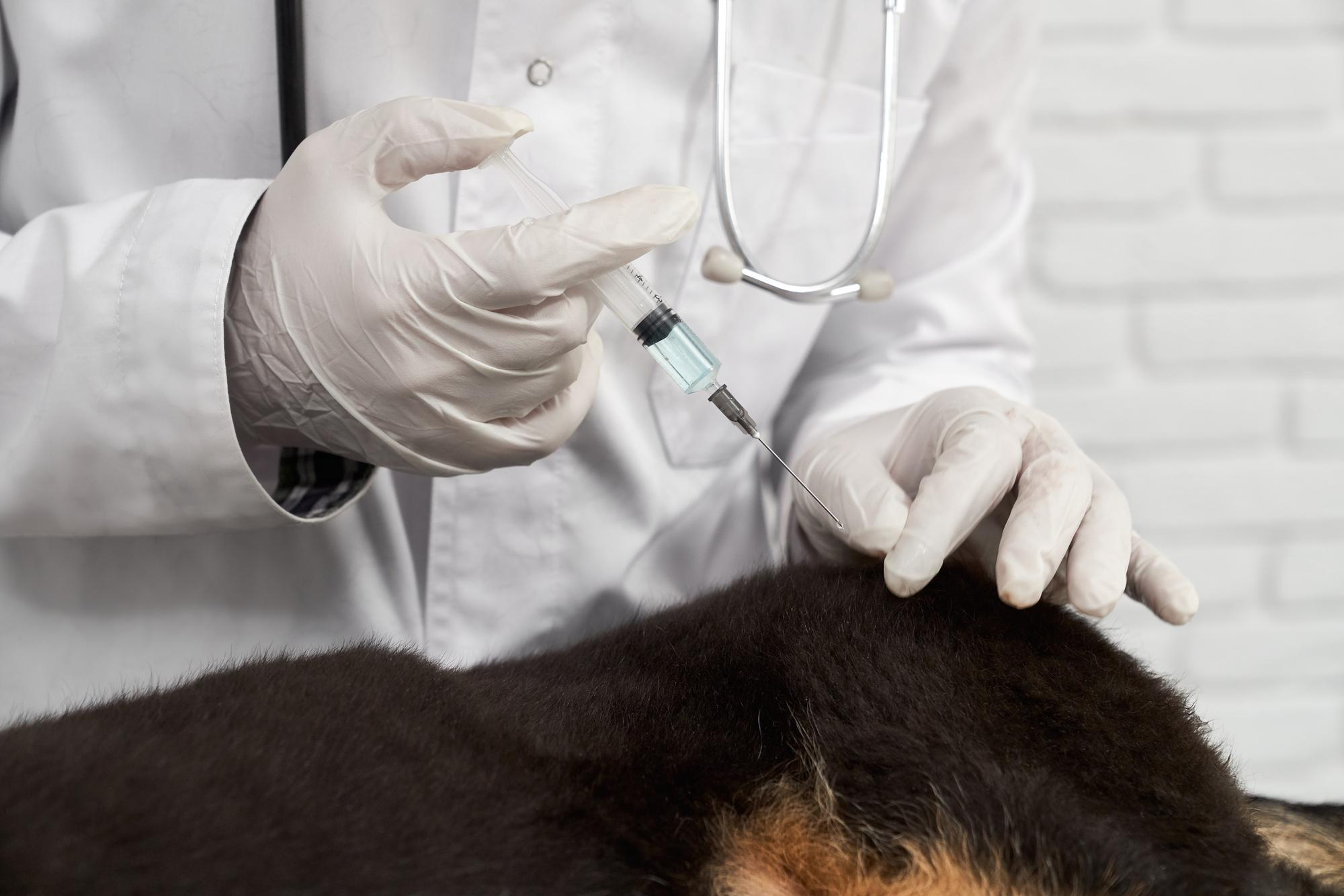
The injection itself is straightforward. It is given subcutaneously under the skin and takes only a moment to administer. Most dogs tolerate the injection without any noticeable reaction. Your veterinarian will advise whether to monitor your dog at the clinic briefly afterward or whether you can return home immediately.
Many owners report noticing improvement within days of the first injection. Peak benefit is typically seen within the first week. The effect generally persists for four to eight weeks. At the end of that window your veterinarian will assess how your dog is doing and determine whether a repeat injection is needed. Dogs with year-round or severe seasonal allergies often receive Cytopoint on an ongoing basis with injections scheduled every four to eight weeks as needed.
It is also worth keeping a record of your dog’s itching levels and behaviors in the days and weeks following each injection. This information helps your veterinarian fine-tune the timing of repeat injections and assess whether additional interventions are needed.
Safety Profile of Cytopoint
Cytopoint has been evaluated in extensive clinical trials and has a well-documented safety record. Because the antibodies are designed to mimic the dog’s own natural antibodies the immune system is less likely to develop reactions to them.
The most commonly reported side effects are mild and uncommon and include lethargy in the day or two following the injection and in very rare cases vomiting. Serious adverse reactions are rare. Cytopoint does not suppress the immune system broadly which means it does not increase vulnerability to infection in the way corticosteroids do.
Dogs with concurrent health conditions including kidney or liver disease can often receive Cytopoint safely since it does not place additional demands on these organs. As always your veterinarian will review your dog’s complete health picture before recommending any treatment.
Cytopoint as Part of a Complete Allergy Management Plan
Like any targeted therapy Cytopoint works best when it is part of a broader and thoughtful approach to managing your dog’s allergies rather than the only intervention used. Effective allergy management addresses the itch, its underlying immune driver, and the environmental and lifestyle factors that influence its severity.
Identifying and reducing your dog’s exposure to known triggers is a practical starting point. This might mean using allergen-reducing covers on bedding, washing the dog’s paws after walks during high pollen seasons, using air purifiers indoors, and avoiding outdoor areas with high weed or grass pollen during peak seasons.
Maintaining a healthy skin barrier through appropriate bathing, moisturizing rinses formulated for dogs, and omega-3 supplementation reduces the degree to which allergens penetrate the skin and trigger the immune response. Skin that is better hydrated and intact is less reactive than dry or compromised skin.
Flea control is an essential component of allergy management for all allergic dogs. Even a single flea bite can trigger a severe response in dogs with flea allergy dermatitis, dramatically worsening overall itch levels. Year-round flea prevention removes this additional trigger and allows Cytopoint and other allergy treatments for dogs to work more effectively in isolation from flea-driven inflammation.
Treating and preventing secondary skin infections is equally important. When itching leads to scratching which leads to skin damage, bacterial or yeast infections frequently develop in the compromised skin. These infections generate their own itch signals on top of the allergic itch and significantly worsen the dog’s overall comfort. Addressing infections with appropriate veterinary treatment alongside Cytopoint ensures the dog is not continuing to itch partly from infection once the allergic component is controlled.
Regular veterinary monitoring helps track how well the management plan is working and allows adjustments to be made before symptoms become severe again. For dogs whose skin has been affected by ongoing allergic disease, this guide on how to treat and prevent skin conditions in pets provides useful information on supporting skin health as part of the overall allergy management approach.
Conclusion
For dogs struggling with the persistent and often cycle-reinforcing discomfort of allergic itching, Cytopoint injection for dogs offers a targeted and well-tolerated path to relief. Understanding how does Cytopoint for dogs work makes it clear why it has become an important part of veterinary allergy management. By directly neutralizing the key itch-driving protein IL-31, it interrupts the itch signal at its source and gives dogs the relief they need to heal, rest, and feel like themselves again. Used alongside other allergy treatments for dogs it forms part of a comprehensive plan that addresses both symptoms and underlying causes.
At Kainer Veterinary Hospital, our team provides complete allergy evaluations and individualized treatment planning for dogs with environmental allergies. We offer Cytopoint injections as part of a full range of allergy management options. To learn more, visit our Cytopoint for dogs service page or contact us today to schedule an appointment for your dog.
FAQs
Q: How does Cytopoint for dogs work and how long does it last?
A: Cytopoint is a monoclonal antibody injection that neutralizes IL-31, the protein responsible for triggering allergic itch in dogs. It typically provides relief for four to eight weeks per injection. The effect begins within days for most dogs and the injection can be repeated as needed to maintain ongoing dog allergy relief.
Q: Is Cytopoint safe for dogs with other health conditions?
A: Cytopoint has a well-documented safety record and does not broadly suppress the immune system or place demands on the kidneys and liver. Dogs with concurrent health conditions can often receive it safely. Your veterinarian will review your dog’s complete health profile before recommending treatment to ensure it is appropriate for your individual pet.
Q: How is Cytopoint different from other allergy treatments for dogs?
A: Most allergy treatments for dogs work by suppressing inflammation broadly or by modifying the immune response over time. Cytopoint targets a single specific protein that drives allergic itch, providing more focused relief without the systemic side effects of steroids. Unlike immunotherapy it works quickly but does not modify the underlying allergic response.
Q: Can Cytopoint be used alongside other allergy medications?
A: Yes. Cytopoint is frequently used alongside other elements of an allergy management plan including allergy shots, topical treatments, and skin barrier support. It is particularly useful during the period when allergen-specific immunotherapy is building up its effect. Your veterinarian will guide you on the right combination for your dog.
Q: How will I know if Cytopoint is working for my dog?
A: Most owners notice a meaningful reduction in scratching, chewing, and rubbing within a few days of the first injection. Your dog may appear more settled and less preoccupied with itching. Keeping a simple daily log of your dog’s itch behaviors before and after each injection helps you and your veterinarian assess how well the treatment is working.