

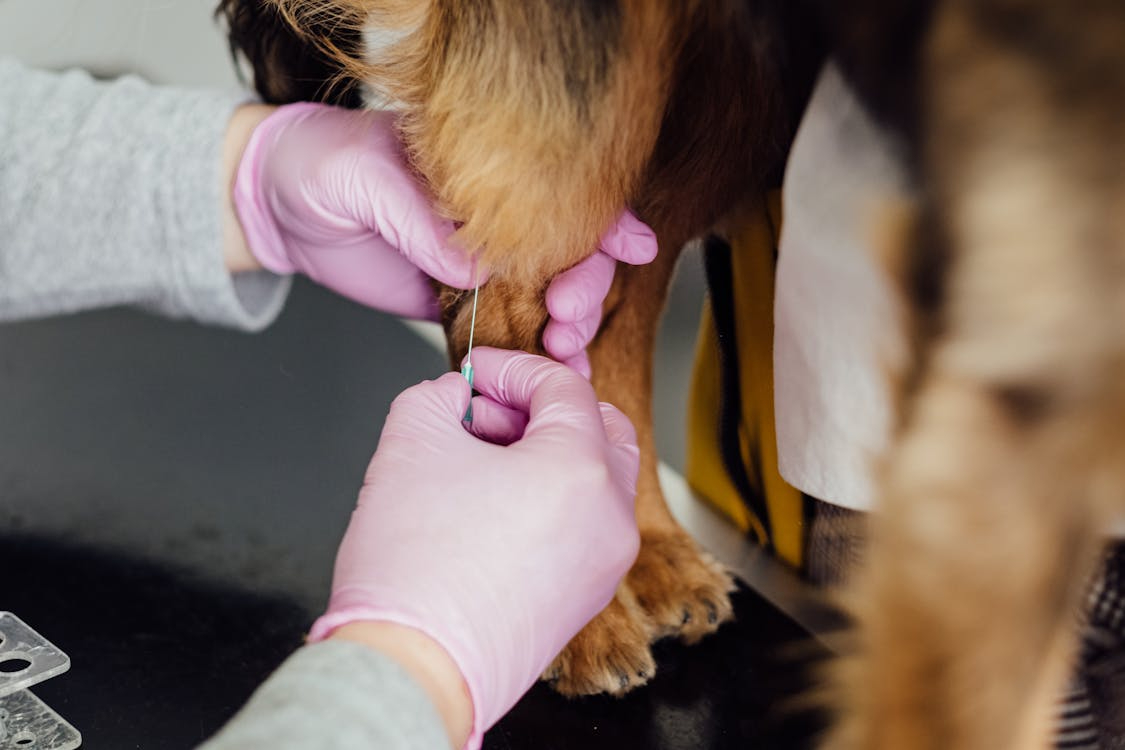
Watching a dog who once raced to the door slow down on the stairs tugs at the heart of any owner. If you have heard about Librela and wondered what is Librela injection for dogs, you are probably looking for a way to help your best friend feel more like themselves.
Arthritis in dogs often shows up as slowing down, stiffness after rest or less interest in walks. This guide explains what Librela for dogs is, how it differs from older treatments, which dogs need extra caution, what the safety reports show and how it fits into a full plan.
What Librela Is
Librela is a canine monoclonal antibody that targets nerve growth factor. The European product information states that it is expected to be broken down like the body’s own proteins and is not metabolized by cytochrome P450 liver enzymes. A veterinarian gives it as an injection under the skin once a month. It is not a steroid and it is not an anti-inflammatory drug. It was first authorized in Europe in November 2020. It sits among newer options for pain management.
Why Canine Osteoarthritis Matters
Canine osteoarthritis develops when joint cartilage breaks down. Bones then rub during movement, the joint becomes inflamed and bony growths can form, which limits motion further. The result is a cycle of pain, less activity and muscle loss.
Dogs hide discomfort. They may avoid stairs, hesitate before jumping, take longer to rise or seem less interested in play. By the time limping is obvious, the condition has usually been building for some time. For the early signs, see this guide on early signs of arthritis in dogs and how to spot joint pain early.
How Librela for Dogs Differs From NSAIDs
Nonsteroidal anti-inflammatory drugs are the traditional choice for arthritis pain. The FDA’s NSAID guidance notes that, as a group, they may affect the kidneys, liver, stomach and intestines. Librela works through a different mechanism, which does not mean it is free of concerns.
Factor | Librela | NSAIDs |
How it is given | Injection under the skin at the clinic | Pill or liquid given at home |
How it works | Antibody that targets nerve growth factor | Reduces prostaglandins involved in inflammation |
Reported concerns | Urinary and skin infections in trials. Wobbliness, seizures and weakness in post approval reports | Vomiting, diarrhea, appetite loss, stomach and intestinal ulcers, kidney and liver problems |
Key cautions | Not for breeding, pregnant or lactating dogs. Not evaluated under 12 months | Not studied in pregnant, nursing or breeding dogs |
Combining the two needs care. The FDA review notes that the safe use of anti nerve growth factor antibodies with NSAIDs has not been established in dogs, and the European product information states there are no safety data on long term use of both together.

Who Is a Good Candidate for Librela
Librela is prescribed after a veterinary evaluation of the individual dog. The European product information rules it out for dogs under 12 months and for breeding, pregnant or lactating dogs. The FDA review notes it has not been studied in dogs with a cruciate ligament rupture in the six months before treatment, that effects beyond 9 months have not been evaluated, and that the long term effects of reduced nerve growth factor in dogs with heart disease are unknown.
Librela only treats pain from osteoarthritis. A limp from a torn ligament or a spinal problem needs its own diagnosis first. Your veterinarian reviews your dog’s history and current medications before recommending it.
What to Expect With Librela Treatment
Librela is given once a month. In the manufacturer’s European study, success was measured by owners using a pain questionnaire. At 28 days 43.5 percent of Librela treated dogs met the definition versus 16.9 percent on placebo, and at 7 days the figures were 17.8 percent versus 3.8 percent. The product information advises veterinarians to consider other treatments if a dog shows no better response after a second dose.
Owners and veterinarians look for signs such as rising more easily, more interest in walks and play, and less hesitation on stairs. Response varies from dog to dog, and your veterinarian checks progress at follow up visits.
What the Safety Reports Show
In the FDA’s summary of the manufacturer’s 272 dog US field study, the leading adverse reactions were urinary tract infection (11.1 percent with Librela versus 8.0 percent on placebo), bacterial skin infection (8.1 versus 6.6 percent) and dermatitis (7.4 versus 5.8 percent). In the European study, increased blood urea nitrogen, a kidney value, was reported in 13.8 percent of treated dogs versus 4.9 percent on placebo.
By April 18, 2024, FDA’s database held 3,674 cases associated with Librela. Ataxia, or wobbliness, was the leading reported sign at 17.4 percent of cases in dogs, and 73 percent of cases involved dogs 10 years or older. FDA assessed 360 serious cases in depth. Two thirds began within the first week after an injection and 70 percent after the first dose. FDA judged 80 probably associated with Librela, and in some cases death, including euthanasia, was reported.
These numbers need context. FDA states that adverse event reports cannot be used to calculate how often a reaction happens or to prove cause, and Librela is used mainly in older dogs who often have other conditions. Call your veterinarian if you notice any of these after an injection:
- Wobbliness, seizures, weakness or unusual paw placement
- Loss of appetite, lethargy or inability to get up
- Drinking or urinating more, or leaking urine
- Vomiting or diarrhea
- Muscle weakness, tremors or lameness
How Librela Fits Into a Complete Arthritis Plan
Librela is one part of a plan. Weight control matters whichever medication your dog takes, since extra weight adds load to sore joints. For guidance, see this resource on maintaining a healthy weight for your senior pet. Other options your veterinarian may discuss include acupuncture, cold laser therapy and veterinary orthopedic manipulation. This guide on the benefits of veterinary orthopedic manipulation for dogs explains what that involves. Orthopedic bedding, ramps and non slip mats ease daily movement.
Monitoring Your Dog’s Response
Keep a simple log of activity, ease of rising and any change in behavior or urination, and bring it to follow up visits. For help reading your dog’s pain signals, see this article on understanding your pet’s pain and how to spot and manage it.
Recognizing When Your Dog May Need Arthritis Treatment
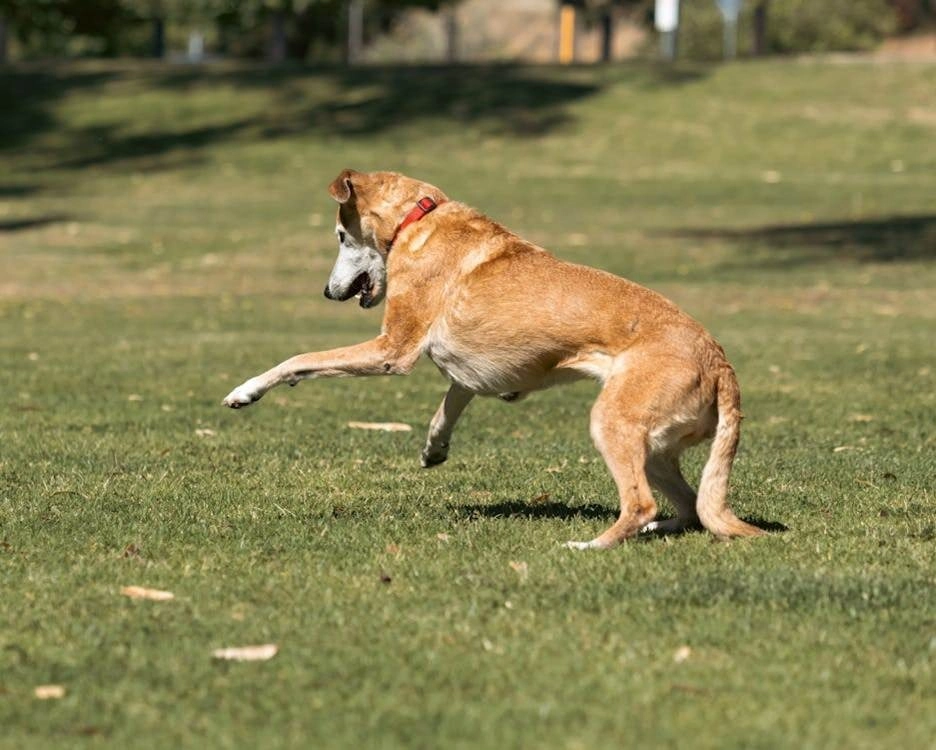
Some slowing down is part of aging, but persistent pain is not something dogs should simply endure. Stiffness after resting that lasts more than a few minutes, reluctance to walk, tiring early, avoiding stairs or the car, favoring a leg and new irritability are all worth raising with your veterinarian. For the full range of options, see this guide on how to manage your dog’s arthritis pain and improve their mobility.
What the Sources Cannot Tell You
The efficacy numbers come from manufacturer trials of 84 days that relied on owner questionnaires, and 56.5 percent of treated dogs in the European study did not meet the success threshold at 28 days. The safety figures come from reports and cannot give a true rate. Effects beyond 9 months have not been evaluated.
Making an Informed Choice About Librela
Librela for dogs is a reasonable option to discuss for a well screened adult dog with confirmed osteoarthritis, especially when NSAIDs are a poor fit. Watch the first week after each injection closely and report anything unusual.
At Kainer Veterinary Hospital, our team provides arthritis evaluations and treatment plans that include Librela for dogs, along with other options your veterinarian recommends. Visit our Librela for dogs service page or contact us today to schedule an appointment.
Sources
US Food and Drug Administration, Center for Veterinary Medicine, Standard Adverse Event Review of Librela (2024). Supports the post approval case numbers, timing, age data, trial side effects and label precautions.
European Commission, Librela Summary of Product Characteristics (2023). Supports the European trial results, contraindications, the NSAID combination statement and how the antibody is broken down.
US Food and Drug Administration, Veterinary Nonsteroidal Anti Inflammatory Drugs (2024). Supports the NSAID side effects in the comparison table.
FAQs
Q: What is Librela injection for dogs and how does it work?
A: Librela is a monthly monoclonal antibody injection that targets nerve growth factor, a protein involved in osteoarthritis pain. It is given under the skin by a veterinarian. It works through a different mechanism than anti-inflammatory drugs, and it still has reported side effects.
Q: How quickly does Librela work with dogs?
A: In the manufacturer’s European study, 17.8 percent of treated dogs met the success threshold at 7 days and 43.5 percent at 28 days. If there is no better response after a second dose, the product information advises considering other treatments.
Q: Is Librela safe for senior dogs with kidney or liver issues?
A: Safety in dogs with organ disease has to be judged case by case. The European study reported increased blood urea nitrogen in 13.8 percent of treated dogs, and the FDA reports cases in older dogs. Your veterinarian reviews bloodwork and history before recommending it.
Q: Can Librela be used alongside other arthritis treatments?
A: Sometimes, under veterinary supervision. The FDA review notes that safe use with NSAIDs has not been established in dogs. Weight control, rehabilitation and home changes can support any medication.
Q: How often does my dog need a Librela injection?
A: Librela is given once a month as an injection under the skin by your veterinarian. Your veterinarian checks progress at follow up visits and decides whether to continue.