

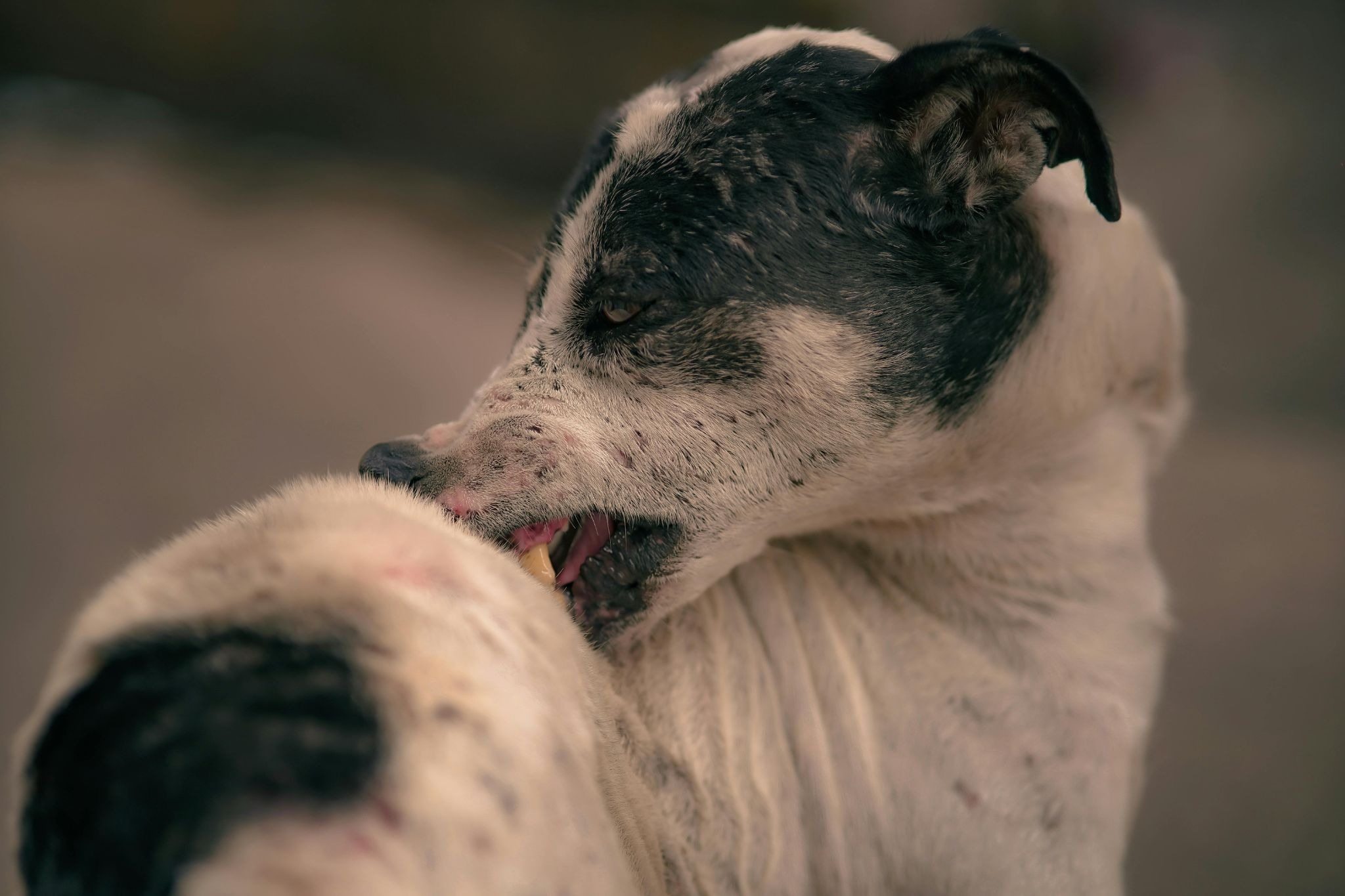
A new bump on your dog can raise a lot of questions all at once, and it is natural to want answers quickly. Understanding what a skin growth in dogs can be, and what usually happens next, helps you feel prepared instead of worried.
Finding a lump during a grooming session or belly rub is stressful. This guide explains the common types of skin growths on dogs, what is known about why they form, how veterinarians diagnose them, and how they are treated.
Why Skin Growths Are Common in Dogs
Dogs develop skin growths for a range of reasons, and age matters. MSPCA Angell notes that several benign growths are more common in older dogs, such as lipomas in middle aged to older dogs. A dog with a few small stable lumps is not automatically in danger, but a new lump still deserves a check.
Breed can matter for specific tumors. The American College of Veterinary Surgeons reports that Boxers and Boston Terriers account for about half of mast cell tumor cases, and that Pugs, Labrador Retrievers, Golden Retrievers, Beagles and Schnauzers are also listed.
Common Types of Skin Growth in Dogs
| Growth | Usual look | Benign or not | Key point |
| Lipoma | Soft lump under the skin | Benign | Fatty tumor, slow growing, usually in middle aged to older dogs |
| Sebaceous adenoma | Small growth on the skin | Benign | Growth of oil producing glands |
| Papilloma | Wart like growth | Benign | A viral wart that can pass between dogs |
| Histiocytoma | Smooth raised bump | Benign | Common in dogs under about 3 and a half years and usually resolves in 2 to 3 months |
| Mast cell tumor | Varies widely | Can be malignant | Size can change from day to day |
| Soft tissue sarcoma | Firm growth below the skin | Malignant | Needs complete removal the first time |
Lipomas
MSPCA Angell describes lipomas as benign fatty tumors that grow slowly and usually do not cause problems. The Merck Veterinary Manual notes that some can grow or look identical to infiltrative lipomas or liposarcomas, which is why testing matters. Surgical removal is sometimes recommended when a lipoma is large or sits where it hinders movement. Lipomas develop just beneath the skin surface.
Sebaceous Adenomas
These are benign growths of the oil producing glands in the skin, according to MSPCA Angell. Growths that look like cysts also need testing to know what they are.
Mast Cell Tumors
The ACVS reports that mast cell tumors make up 14 to 21 percent of skin tumors in dogs. Their look varies, and their size can change from day to day as granules inside the cells release histamine and other substances. This is why any new or changing lump should be tested and not assumed benign. Merck notes that mast cell tumors larger than 3 cm at surgery are associated with shorter survival, which is why finding one early matters.
Histiocytomas
Merck states that histiocytomas are common in dogs younger than about 3 and a half years and usually resolve on their own within 2 to 3 months. They can look like a mast cell tumor, which is why a needle sample is the safe first step.
Warts
MSPCA Angell describes papillomas as viral warts that are contagious between dogs. Removal may be considered when warts are numerous, bleed or interfere with eating, and your veterinarian decides.
Soft Tissue Sarcomas
Merck describes soft tissue sarcomas as invading nearby tissue and being less likely to spread, and advises complete removal the first time because recurrences invade more. They are firm and often attached to deeper structures.
Hormones influence some growths in male dogs. For general background, see this resource on the health benefits of neutering your male dog.
Recognizing When a Skin Growth Needs Veterinary Evaluation
If you are unsure about a lump, have it checked. These situations call for prompt attention:
• The growth is new and has not been evaluated.
• It changes in size, color or texture over days or weeks.
• It is ulcerated or bleeding.
• Your dog scratches, licks or chews it.
• It comes with lethargy, poor appetite or weight loss.
• Several growths appear in a short time.
• It feels hard and fixed to underlying tissue.
• It is on the face, in the mouth or near a joint.
For a broader guide, see this article on how to spot early signs of illness in your pets.
How Veterinarians Diagnose Skin Growths in Dogs

Diagnosis starts with a physical exam and history, including nearby lymph nodes. MSPCA Angell lists four options for a mass: a needle sample, a biopsy, removal with lab review, or monitoring.
Fine Needle Aspiration
A fine needle aspirate collects cells with a thin needle for review under a microscope. The ACVS states that it diagnoses a mast cell tumor in almost all cases. It may not give a final answer, and it guides the next step.
Biopsy
A biopsy sends a small tissue sample to a pathologist when the aspirate is inconclusive or malignancy is suspected. For mast cell tumors the ACVS states that the grade can only be determined from removed tissue and that it relates directly to prognosis.
Imaging
For a suspected malignant growth the ACVS lists aspirates of nearby lymph nodes, abdominal ultrasound and chest X rays among tests used to look for spread.
Treatment Options for Skin Growths in Dogs
Treatment depends on the type, grade, location and your dog’s health.
Monitoring
A confirmed benign growth that is small and comfortable can be monitored with rechecks. Any change should prompt another evaluation.
Surgical Removal
Surgery is the usual treatment. For suspected malignancies Merck notes tissue around the tumor is removed to lower the chance of leaving cells behind, and the ACVS describes wide margins as necessary for mast cell tumors. Tumor and mass removal is an established surgical service. For what to expect afterward, see this article on how to keep your dog or cat comfortable after surgery.
Additional Therapies
Some malignant growths need treatment after surgery. Your veterinarian will discuss options based on the tumor type, grade and the full diagnostic picture.
The Importance of Early Evaluation
Merck links tumor size at surgery to outcome for mast cell tumors, and the ACVS ties grade to prognosis. Early testing gives more options. Run your hands over your dog during grooming, including under the legs, between the toes, around the ears and along the tail. When you find something new, photograph it and note the date so changes are easy to track.
Regular wellness visits include a skin and lump check. This piece on why preventive care for pets is crucial for early detection of health issues explains why routine monitoring matters.
What the Sources Cannot Tell You
The percentages describe groups of dogs and not your dog. The sources do not tell you what causes a particular lump to form, and they do not rank breeds for every growth type. Only a sample of the growth can say what it is.
Conclusion
Skin growth in dogs is a common reason for veterinary visits, and a large share of growths are benign. The only way to know is a proper diagnosis. Dog skin tumor types of all kinds benefit from early identification.
At Kainer Veterinary Hospital, our team evaluates skin growths and offers treatment options for your dog’s needs, including tumor and mass removal. Contact us today to schedule an appointment if you have found a new lump on your dog.
Sources
MSPCA Angell, Benign Skin Masses of Dogs (accessed 2026). Veterinary teaching hospital clinical resource. Supports the 60 to 80 percent figure, lipomas, sebaceous adenomas, papillomas and diagnostic options.
Merck Veterinary Manual, Tumors of the Skin in Dogs (2018, updated 2026). Veterinary reference. Supports the histiocytoma, sarcoma, lipoma and mast cell size points.
American College of Veterinary Surgeons, Mast Cell Tumors (2024). Professional society. Supports prevalence, breeds, day to day size change, diagnosis, margins, staging and grading.
FAQs
Q: Should I be worried about every lump I find on my dog?
A: Not every lump is serious, but every new or changing lump deserves evaluation. A large share are benign and some that look harmless are not. A fine needle aspirate gives a quick first answer about what a growth is.
Q: Can a dog skin tumor go away on its own?
A: Some can. Merck says histiocytomas usually resolve within 2 to 3 months. Others, including mast cell tumors and soft tissue sarcomas, do not, so waiting without an exam can allow a malignant growth to grow.
Q: How is a dog skin tumor different from a cyst?
A: A cyst forms from a blocked gland and a tumor is an abnormal cell growth that may be benign or malignant. The two can feel alike, so a needle sample or biopsy is needed to confirm which one it is.
Q: What is a leading malignant skin growth in dogs?
A: Mast cell tumors are a leading one. The ACVS reports they make up 14 to 21 percent of skin tumors in dogs. Their appearance varies, so they cannot be identified by looks alone.
Q: How can I reduce my dog’s risk of skin problems?
A: Not all growths can be prevented. Regular hands on skin checks, wellness visits and prompt testing of new lumps help catch problems early. The sources reviewed do not show a specific way to prevent skin growths on dogs.