

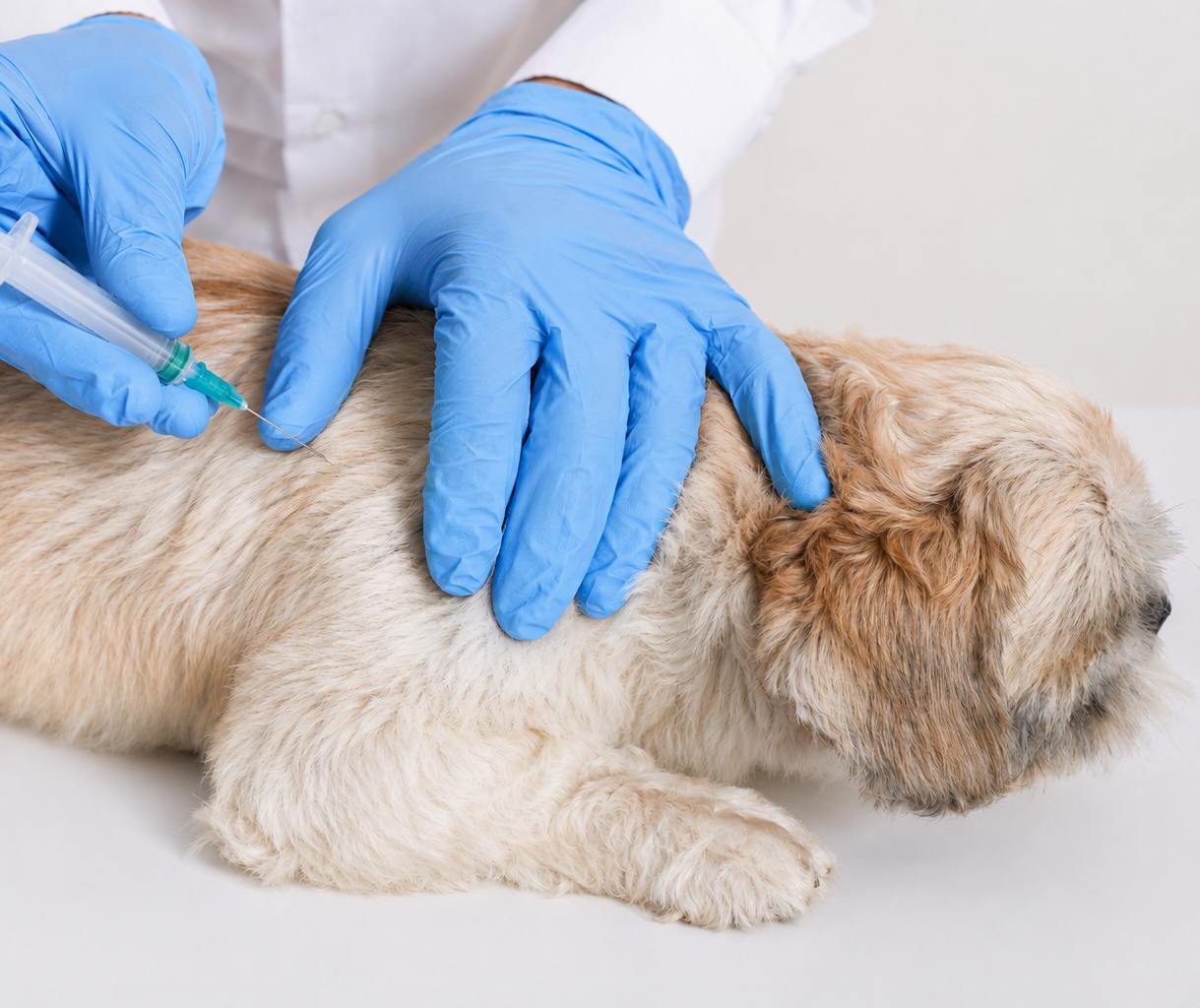
Is Librela safe for dogs with arthritis? It’s approved by the FDA for osteoarthritis pain in dogs, and it’s a reasonable option for adult dogs without conditions on its caution list. It isn’t risk-free. A 2024 FDA review found reports of wobbliness, seizures, and weakness, with two-thirds of assessed cases starting within a week.
The short version: in the manufacturer’s European field study, 43.5 percent of treated dogs met the study’s definition of success at 28 days, compared with 16.9 percent on placebo. The safety picture comes from those trials plus FDA’s review of post-approval reports, and both are covered below.
How Librela Works
Librela (bedinvetmab) is a canine monoclonal antibody that targets nerve growth factor, a protein involved in osteoarthritis pain. The European product information states that it is expected to be broken down like the body’s own proteins and is not metabolized by cytochrome P450 liver enzymes. It was first authorized in Europe in November 2020, and the FDA approved it on May 5, 2023. For a plain overview of the injection itself, see our guide on what Librela injection for dogs is.
What the Clinical Trials Found
In the manufacturer’s European field study, success was measured by owners using a pain questionnaire. At 28 days, 43.5 percent of Librela-treated dogs succeeded versus 16.9 percent on placebo, and at 7 days the figures were 17.8 percent versus 3.8 percent. The product information advises vets to consider other treatments if a dog shows no better response after a second dose.
The trials also recorded side effects. According to the FDA’s 2024 safety review, the most common adverse reactions in the manufacturer’s 272-dog US field study were urinary tract infection (11.1 percent with Librela versus 8.0 percent on placebo), bacterial skin infection (8.1 versus 6.6 percent), and dermatitis (7.4 versus 5.8 percent). In the European study, increased blood urea nitrogen, a kidney value, was reported in 13.8 percent of treated dogs versus 4.9 percent on placebo.
What Has Been Reported Since Approval
By April 18, 2024, FDA’s database held 3,674 cases associated with Librela. Ataxia, or wobbliness, was the most frequently reported sign, appearing in 17.4 percent of cases in dogs, and 73 percent of cases involved dogs 10 years or older.
FDA assessed 360 cases with serious signs in depth. Two-thirds of those assessed cases began within the first week after an injection, 30 percent within the first day, and 70 percent after the first dose. FDA judged 80 of them probably associated with Librela, including 7 where signs returned after another dose. In some cases, death, including euthanasia, was reported. FDA recommended adding a Post Approval Experience section to the label and advising owners about possible reactions.
These numbers need context. FDA states that adverse event reports can’t be used to calculate how often a reaction happens or to prove cause, and Librela is used mainly in older dogs who have other health problems. Gabapentin, which can cause wobbliness on its own, was reported in 24 percent of the assessed cases.
How Librela Injections for Dogs Compare With NSAIDs
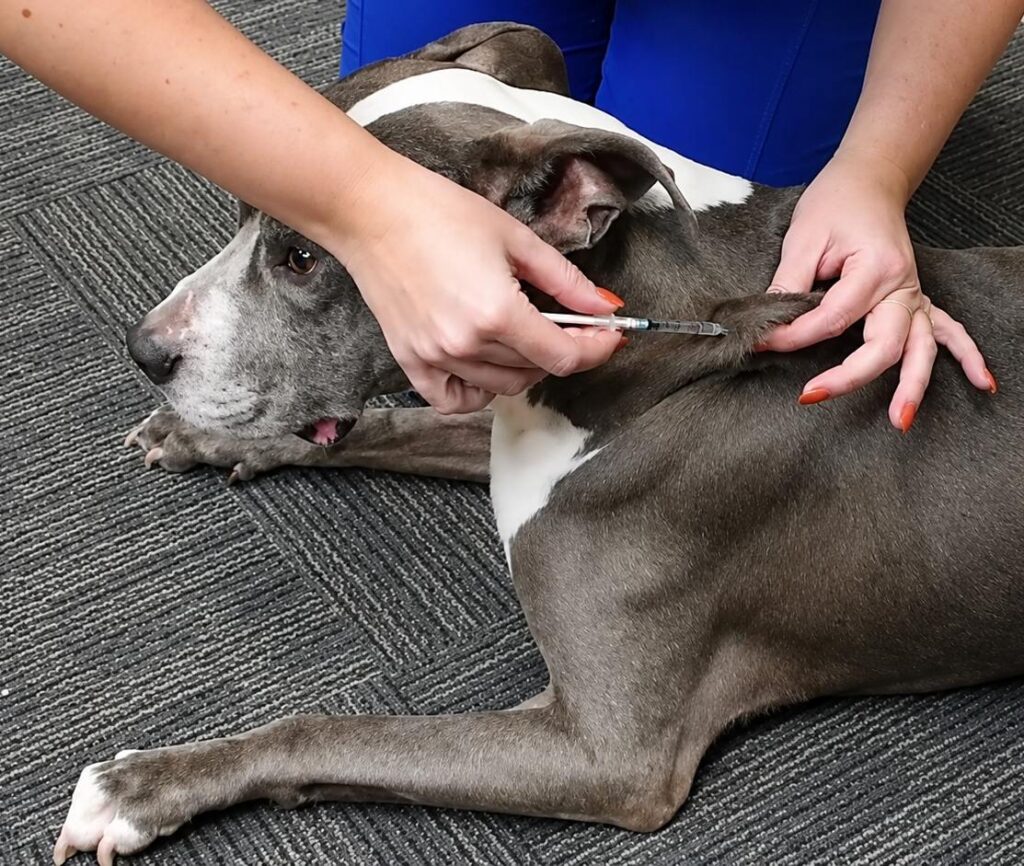
Non-steroidal anti-inflammatory drugs (NSAIDs) are the traditional choice for arthritis pain. The FDA’s NSAID guidance notes that, as a group, they may affect the kidneys, liver, stomach, and intestines. Here’s how the two options compare.
| Factor | Librela | NSAIDs |
| How it is given | Injection under the skin at the clinic | Pill or liquid given at home |
| How it works | Antibody that targets nerve growth factor | Reduces prostaglandins involved in inflammation |
| Reported concerns | Urinary and skin infections in trials; wobbliness, seizures, and weakness in post-approval reports | Vomiting, diarrhea, appetite loss, stomach and intestinal ulcers, kidney and liver problems |
| Key cautions | Not for breeding, pregnant, or lactating dogs; not evaluated under 12 months | Not studied in pregnant, nursing, or breeding dogs |
Combining the two needs care. The FDA review notes that the safe use of anti-NGF antibodies with NSAIDs has not been established in dogs, and the European product information says there are no safety data on long-term use of both together. Like any dog health treatment, the choice depends on your dog’s age, bloodwork, and history. Kainer’s Librela for dogs page covers how we approach it.
Dogs Who Need Extra Caution
Librela treatment for dogs isn’t for every patient. The European product information rules it out for dogs under 12 months and for breeding, pregnant, or lactating dogs. FDA’s review notes it hasn’t been studied in dogs with a cruciate ligament rupture in the six months before treatment, that effects beyond 9 months haven’t been evaluated, and that the long-term effects of reduced nerve growth factor in dogs with heart disease are unknown.
Librela only treats pain from osteoarthritis, so a limp from a torn ligament or a spinal problem needs its own diagnosis first. Our guide on managing your dog’s arthritis pain explains how arthritis is confirmed and managed.
Signs to Report After an Injection
FDA’s recommended label section lists these post-approval signs by body system. Call your vet if you notice any of them after an injection:
● Neurologic: wobbliness, seizures, weakness or partial paralysis, unusual paw placement, or paralysis.
● General: loss of appetite, lethargy, or inability to get up.
● Urinary: drinking or urinating more than usual, or leaking urine.
● Digestive: vomiting or diarrhea.
● Muscles and joints: muscle weakness, tremors, or lameness.
What the Data Can’t Settle
The efficacy numbers have limits. The trials were run by the manufacturer, lasted 84 days, and relied on owner questionnaires, and 56.5 percent of treated dogs in the European study didn’t reach the success threshold at 28 days. On safety, report data can’t give a true reaction rate, and effects beyond 9 months haven’t been evaluated.
Weight control still matters whichever medication your dog takes, since extra weight adds load to sore joints. Our guide on maintaining a healthy weight for your senior pet covers that side of arthritis care.
Deciding With Your Vet
For a well-screened adult dog with confirmed osteoarthritis, Librela is a reasonable option to discuss, especially when NSAIDs are a poor fit. Watch the first week after each injection closely and report anything unusual.
At Kainer Veterinary Hospital, arthritis visits cover diagnosis, a review of current medications, and a conversation about Librela, NSAIDs, and other pain options. Contact us today to set up an arthritis consultation.
Sources
US Food and Drug Administration, Center for Veterinary Medicine, Standard Adverse Event Review of Librela (2024). Supports the post-approval case numbers, timing, age data, trial side effects, and label precautions.
European Commission, Librela Summary of Product Characteristics (2023). Supports the European trial results, contraindications, NSAID combination statement, and how the antibody is broken down.
US Food and Drug Administration, Veterinary Nonsteroidal Anti-Inflammatory Drugs (2024). Supports the NSAID side effects and cautions in the comparison table.
FAQs
Q: Is Librela safe for senior dogs specifically?
A: Dogs 10 years and older accounted for 73 percent of the cases in FDA’s review, which reflects how often Librela is used in older dogs. Your vet will review your senior dog’s health history, other medications, and any heart, neurologic, or orthopedic problems before recommending it.
Q: Can Librela be used together with traditional arthritis medications?
A: Sometimes, under veterinary supervision. FDA’s review notes that safe use with NSAIDs hasn’t been established in dogs, and the European product information reports no safety data on long-term combined use.
Q: How quickly does Librela treatment for dogs start working?
A: In the manufacturer’s European study, 17.8 percent of dogs on Librela treatment for dogs met the success threshold at 7 days and 43.5 percent at 28 days. If there’s no better response after a second dose, the product information advises considering other treatments.
Q: What are the most common side effects of Librela injections for dogs?
A: In the manufacturer’s US field study of Librela injections for dogs, the top adverse reactions were urinary tract infection, bacterial skin infection, and dermatitis. In post-approval reports, wobbliness was the sign reported most often.
Q: Is Librela a better dog health treatment than traditional NSAIDs?
A: Neither is better for every dog. Librela works through a different pathway than NSAIDs, which carry known stomach, kidney, and liver risks. The right dog health treatment depends on your dog’s age, bloodwork, medical history, and response to past treatment.