
Hearing the words abdominal surgery for your dog can make your stomach drop, especially when everything feels like it is happening quickly. Dog abdominal surgery covers a range of procedures, and knowing what to expect makes the days before and after much easier to handle.
Surgery is stressful for pets and for their owners. Knowing why it may be recommended and what recovery involves helps you prepare. This guide explains the common reasons for abdominal surgery, what each condition involves, how to care for your dog afterward and which warning signs need a call to your veterinarian.
Common Reasons Dogs Require Abdominal Surgery
Veterinarians recommend abdominal surgery when a problem cannot be solved with medicine, diet or less invasive methods. The table lists the main reasons covered in this guide.
| Reason | What the sources say | Surgical goal |
| Swallowed object | An obstruction is an emergency, and surgery is needed if it does not pass | Remove the object |
| Bladder stones | Surgery is considered when stones cannot be dissolved or flushed out | Remove the stones |
| Abdominal mass | Splenectomy is the primary treatment for splenic masses | Remove the mass and test it |
| Pyometra | Spay surgery is the recommended treatment in most cases | Remove the infected uterus |
| Unclear illness | Surgery is considered when other tests do not give an answer | Look inside and take samples |
Foreign Object Ingestion
Dogs explore with their mouths, and an object can lodge in the stomach or intestines. The Merck Veterinary Manual states that gastrointestinal obstruction should be treated as an emergency. It says a small object may be monitored under veterinary supervision but that surgery is needed if the object has not passed within 36 to 48 hours or signs worsen. The American College of Veterinary Surgeons lists persistent vomiting, loss of appetite, belly pain and lethargy as common signs. For more, see this guide on foreign object removal.
Bladder Stones or Urinary Blockages
Stones irritate the bladder and can make urination painful or difficult. The Merck overview of urolithiasis says stones larger than about 3 mm usually show on X rays and that nonsurgical removal is preferred when possible because suture in the bladder can trigger new stones. When stones cannot be dissolved or flushed out, surgery removes them. A dog that strains and produces little or no urine needs emergency care.
Abdominal Tumors or Masses
Masses can grow in organs such as the spleen and liver. The ACVS page on splenic masses states that splenectomy is the primary treatment and that benign hematoma and hyperplasia make up 20 to 41 percent of splenic lesions. It also reports that for hemangiosarcoma survival with surgery alone may be 2 to 3 months or less and recommends an ECG after surgery to watch for arrhythmias. A mass cannot be called benign or malignant without lab testing, so removed tissue is usually sent for analysis. See our tumor and mass removal service.
Internal Organ Damage
Trauma, infection or a ruptured organ can cause rapid decline. Weakness, abdominal pain, collapse and pale gums are reasons for emergency care. In these cases surgery may repair or remove damaged tissue and stop bleeding or contamination. The sources used here do not give outcome figures for trauma surgery, so your veterinarian explains the likely course for your dog.
Diagnostic Exploration for Unclear Symptoms
Sometimes chronic vomiting, pain or weight loss cannot be explained by X rays, ultrasound and blood tests. Your veterinarian may then recommend exploratory surgery to examine the organs and take samples. This is a considered decision, and your veterinarian explains what other testing has already been done and what the surgery is expected to show.
Reproductive Conditions
Pyometra is a bacterial infection of the uterus in unspayed dogs. The Merck guide to reproductive disorders of female dogs states that it is reported mainly in dogs older than 5 years and tends to occur 4 to 6 weeks after estrus. Signs include lethargy, poor appetite, increased thirst and urination and vomiting, and a closed cervix means no discharge is visible. Merck warns that signs can progress rapidly to shock and death and that spaying is the recommended treatment in most cases. The ACVS states that ovariohysterectomy after stabilization is the therapy of choice. Any sick unspayed female dog should be examined promptly.
What to Expect Before and During Surgery
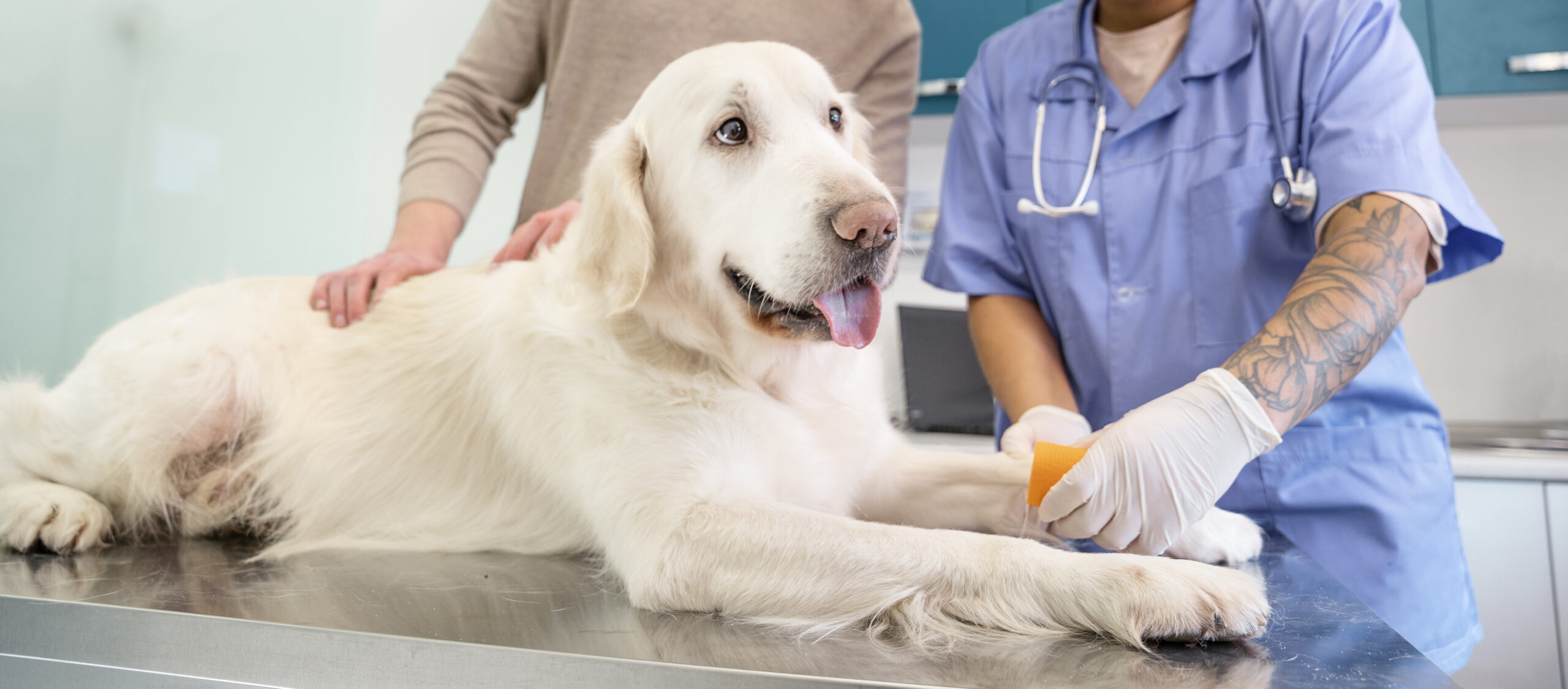
Your veterinarian examines your dog and runs the tests needed to plan the procedure, often including blood work and imaging. You receive instructions about fasting and medications. During surgery your dog is under general anesthesia and monitored by trained staff. Ask what the plan includes and how pain will be controlled. For a related look at recovery after an operation, see this guide on effective post surgical care for dogs.
The days after surgery are as important as the procedure itself. Expect your dog to be groggy at first because of anesthesia and pain medicine. A calm, quiet place helps. Your veterinarian gives specific instructions for your dog’s procedure, and the points below are general.
Managing Pain and Medication
Give pain medicine exactly as prescribed. Do not give human pain relievers unless your veterinarian says so, because some are harmful to dogs. Call your veterinarian if the dose does not seem to control the pain. If antibiotics are prescribed, give them as directed and ask before stopping.
Incision Site Care
A veterinary hospital reference, Metropolitan Veterinary Associates, advises monitoring the incision for redness, swelling, oozing, heat or pain to the touch and seeking veterinary attention as soon as possible if any appear. It advises avoiding ointments or other substances unless prescribed because they draw attention to the area and may start licking. It recommends preventing any licking or chewing and notes an e-collar worn at all times may be needed for 10 to 14 days until the sutures or staples are removed. A recovery suit may be an option for some dogs, so ask your veterinarian.
Restricting Activity
Dogs often look and want to act normal soon after surgery even though healing is not complete. The same reference advises keeping dogs relatively quiet for at least 2 to 3 weeks and avoiding jumping, running up steps or anything that puts tension on the incision. Excess tension can lead to dehiscence, which is an opening of the incision. Short leashed trips outside for bathroom breaks are usual, and your veterinarian tells you what is allowed.
Diet and Hydration
Your veterinarian will say what to feed and when. After surgery for a swallowed object the ACVS notes that an early return to eating helps the gut heal. Offer fresh water at all times. A bland diet or a prescription diet may be advised for some procedures. Return to normal food gradually as directed.
Monitoring for Complications
Merck notes that after intestinal surgery leakage at the repair, called dehiscence, typically appears 3 to 5 days after surgery, so the first week needs close attention. Contact your veterinarian immediately if you see any of these signs:
• Excessive lethargy or weakness
• Persistent vomiting or diarrhea
• Lack of appetite or refusal to drink
• Difficulty breathing
• Swelling, redness, discharge or heat at the incision
• An open or gaping incision
• Pain that medicine does not control
For help judging comfort, see this guide on understanding your pet’s pain and how to spot and manage it. A dog that has had surgery for a mass may also need follow up testing, and this article on how to keep your dog or cat comfortable after surgery covers home comfort.
What the Sources Cannot Tell You
The sources do not give a standard recovery time for each procedure, and the post operative care points come from a veterinary hospital reference and not a controlled study. They do not give success rates for exploratory surgery or trauma surgery. Your dog’s recovery plan depends on the procedure and your dog’s health, so follow your veterinarian’s instructions.
Preparing Your Dog for a Safe Recovery
Abdominal surgery can be lifesaving when the reason is clear and the plan is followed. Knowing what to watch for and acting quickly on warning signs gives your dog the best chance of a smooth recovery.
At Kainer Veterinary Hospital, our team provides compassionate surgical care and clear guidance for dogs before and after abdominal surgery. Contact us today to talk with our team about your dog.
Sources
Merck Veterinary Manual, Gastrointestinal Obstruction in Small Animals (2025).
Peer reviewed veterinary reference.
Supports the emergency status, the 36 to 48 hour window and the timing of leakage after intestinal surgery.
American College of Veterinary Surgeons, Gastrointestinal Foreign Bodies (updated 2026).
Professional veterinary society.
Supports the signs of a foreign body and the early return to eating.
Merck Veterinary Manual, Overview of Urolithiasis in Small Animals (2025).
Peer reviewed veterinary reference.
Supports the imaging statement and the preference for nonsurgical removal.
American College of Veterinary Surgeons, Splenic Masses (accessed 2026).
Professional veterinary society.
Supports splenectomy, the benign lesion share, survival with surgery alone and the ECG advice.
Merck Veterinary Manual, Reproductive Disorders of Female Dogs (accessed 2026).
Peer reviewed veterinary reference for dog owners.
Supports the pyometra timing, signs, risk of rapid decline and spay as the recommended treatment.
American College of Veterinary Surgeons, Pyometra (accessed 2026).
Professional veterinary society.
Supports spay after stabilization as the therapy of choice.
Metropolitan Veterinary Associates, Abdominal Surgery: Post-Operative and Incisional Care (accessed 2026).
Veterinary hospital reference.
Supports incision monitoring, the ointment advice, the e-collar period and the activity restriction.
FAQs
Q: What is dog abdominal surgery?
A: It is surgery that opens the abdomen to diagnose or treat a problem in organs such as the stomach, intestines, bladder, spleen or uterus. Common reasons include swallowed objects, bladder stones, masses and pyometra.
Q: How long does it take a dog to recover from abdominal surgery?
A: It depends on the procedure and your dog. A veterinary hospital reference advises an e-collar for 10 to 14 days until sutures or staples are removed and keeping dogs quiet for at least 2 to 3 weeks. Your veterinarian sets the plan.
Q: What are the risks of dog abdominal surgery?
A: Risks include anesthesia complications, bleeding, infection and an opening of the incision. After intestinal surgery Merck notes leakage at the repair typically appears 3 to 5 days later. Your veterinarian explains the risks for your dog.
Q: When is dog abdominal surgery necessary?
A: When a problem cannot be solved with medicine or less invasive methods. Examples include a swallowed object that does not pass in 36 to 48 hours, stones that cannot be dissolved or flushed, a splenic mass and pyometra.
Q: Can a dog eat normally after abdominal surgery?
A: Not at first. Your veterinarian gives feeding instructions that may start with small bland meals. After surgery for a swallowed object the ACVS notes that an early return to eating helps the gut heal.