

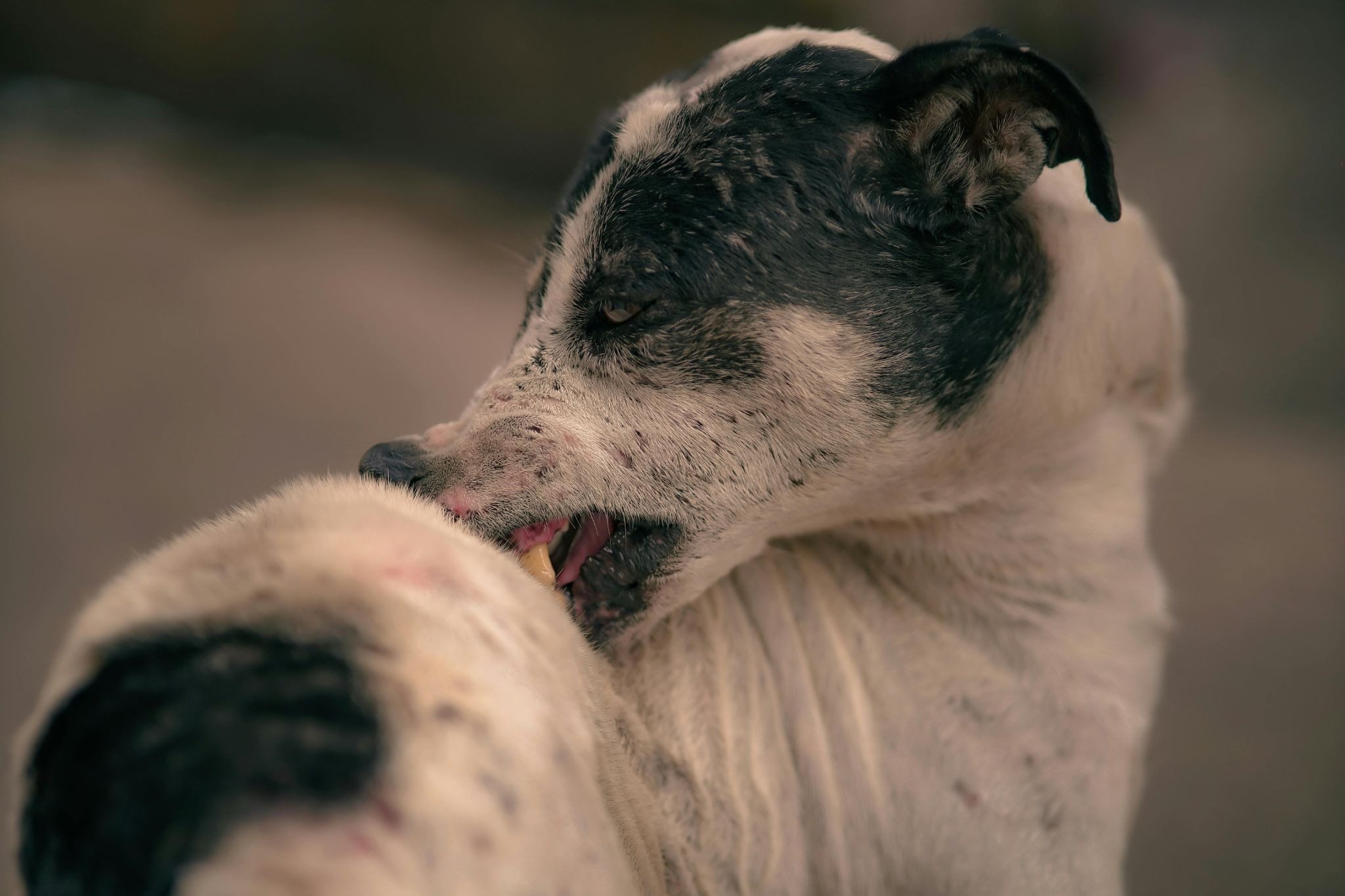
Finding a lump or bump on your dog during a grooming session or belly rub can stop you in your tracks. For most pet owners the immediate concern is whether what they are feeling is something serious. The truth is that skin growths on dogs are extremely common and range widely in nature from completely harmless fatty deposits to growths that require prompt surgical attention. Knowing how to distinguish between them, when to seek veterinary evaluation, and what treatment options are available helps you respond appropriately and protect your dog’s health.
This guide covers the most common types of skin growth in dogs, what causes them to develop, how veterinarians diagnose and classify them, and what treatment approaches are used based on the type and severity of the growth.
Why Skin Growths Are So Common in Dogs
Dogs develop skin growths for a wide variety of reasons including age-related changes, immune responses, hormonal influences, infection, trauma, and genetic predisposition. The skin is a large and complex organ that interacts constantly with the environment, making it one of the most common sites for both benign and malignant growths.
The likelihood of developing skin growths on dogs increases with age. Older dogs accumulate more benign growths over time simply because they have had more years of cellular activity and environmental exposure. This does not mean every new growth in a senior dog is harmless but it does mean that a middle-aged or older dog with multiple small lumps is not automatically in serious danger.
Breed genetics also play a major role. Certain breeds are significantly more prone to specific growth types. Boxers, Boston Terriers, and Pugs have higher rates of mast cell tumors. Labrador Retrievers are particularly prone to lipomas. Cocker Spaniels frequently develop sebaceous cysts. Understanding your breed’s tendencies helps set appropriate expectations when growths are discovered.
Common Types of Skin Growth in Dogs
Not all skin growths on dogs are created equal. The following are among the most frequently diagnosed types in veterinary practice.
Lipomas
Lipomas are benign fatty tumors that develop just beneath the skin surface. They are the most commonly encountered skin growths in dogs and tend to appear in middle-aged to older animals. Lipomas feel soft and moveable under the fingers and are typically slow-growing. They are most common along the trunk, chest, and upper limbs.
While lipomas are generally harmless they can grow large enough to interfere with movement particularly when they develop in areas like the armpit or groin. Infiltrative lipomas, a less common variant, grow into surrounding muscle and connective tissue making them harder to remove completely.
Most simple lipomas do not require immediate treatment unless they are growing rapidly, restricting movement, or causing discomfort. Surgical removal is recommended when these concerns apply or when the diagnosis needs confirmation.
Sebaceous Cysts
Sebaceous cysts form when a skin gland or hair follicle becomes blocked and fills with a waxy or cheesy material. They appear as firm rounded lumps just beneath the skin surface and may have a small dark pore visible at the center. When ruptured they release a thick white or yellowish discharge.
Sebaceous cysts are benign but they can become inflamed or infected if they rupture internally. Infected cysts are painful and can develop into abscesses requiring veterinary treatment. Small uncomplicated cysts that are not bothering the dog may be monitored. Larger, inflamed, or recurrently infected cysts are best managed with surgical removal.
Mast Cell Tumors
Mast cell tumors are the most commonly diagnosed malignant skin growth in dogs. They develop from mast cells which are immune cells found throughout the body and concentrated in the skin. Mast cell tumors are particularly notable because their appearance varies enormously. They can look like small benign bumps, raised red patches, or ulcerated sores. Some change in appearance over short periods of time, shrinking and swelling, which is a characteristic feature related to mast cell degranulation.
Because of this variability any new or changing lump on a dog should be evaluated by a veterinarian rather than assumed to be benign. Mast cell tumors are graded on a scale of severity and higher-grade tumors carry significant risk of spread. Early identification and surgical removal with appropriate margins is the primary treatment. Additional therapy may be recommended based on the tumor grade.
Histiocytomas
Histiocytomas are benign tumors that develop most commonly in young dogs under three years of age. They arise from a specific type of immune cell in the skin and tend to appear as small pink or red dome-shaped growths. They are often found on the head, ear flaps, and limbs.
Despite their alarming appearance histiocytomas frequently resolve on their own within one to three months without any treatment. In cases where they persist, grow, or become ulcerated, surgical removal is straightforward and curative.
Warts (Papillomas)
Papillomas are caused by the canine papillomavirus and appear as small irregular cauliflower-like growths on the skin or in and around the mouth. They are more common in young dogs with developing immune systems and in older dogs with weakened immunity. Most resolve spontaneously as the immune system clears the virus.
Dog skin problems related to papillomas become more concerning when the growths are numerous, growing rapidly, or located in areas where they cause irritation or interfere with eating. In these cases surgical removal or cryotherapy may be recommended.
Perianal Adenomas
Perianal adenomas are growths that develop around the anal area and are strongly influenced by testosterone. They are significantly more common in unneutered male dogs. Neutering reduces the hormonal influence that drives their growth and is often recommended as part of the management plan alongside surgical removal of existing growths. This resource on the health benefits of neutering your male dog explains the broader health advantages of this procedure.
Soft Tissue Sarcomas
Soft tissue sarcomas develop in the connective tissues beneath the skin including fat, muscle, and fibrous tissue. They typically feel firm and are often attached to deeper structures rather than moving freely when pressed. They are more locally aggressive than lipomas and require wider surgical margins for adequate removal. Some carry risk of spreading to distant organs and may require additional treatment after surgery.
Melanomas
Melanomas originate from pigment-producing cells called melanocytes. In dogs they most commonly affect the skin and the mouth. Skin melanomas in dogs are more often benign than those seen in humans but oral melanomas tend to be more aggressive. Any darkly pigmented or rapidly changing growth especially around the mouth warrants prompt veterinary assessment.
Recognizing When a Skin Growth Needs Veterinary Evaluation
The general rule for any skin growth in dogs is that if you are unsure it needs to be checked. The following specific situations always warrant prompt veterinary attention:
- Any growth that is new and has not been previously evaluated
- Growths that change in size, color, or texture over days or weeks
- Ulcerated or bleeding growths
- Growths that the dog is scratching, licking, or chewing persistently
- Growths accompanied by lethargy, loss of appetite, or weight loss
- Multiple new growths appearing in a short period of time
- Any growth located on the face, mouth, or near a joint or limb
- Growths that feel hard and fixed to underlying tissue
For more guidance on recognizing symptoms that warrant veterinary attention, this article on how to spot early signs of illness in your pets provides a helpful broader overview.
How Veterinarians Diagnose Skin Growths in Dogs

Accurate diagnosis of a dog skin tumor begins with a detailed physical examination and clinical history. The veterinarian will note the location, size, texture, mobility, and appearance of the growth. They will also palpate nearby lymph nodes for enlargement which can signal that cells have spread beyond the original site.
Fine Needle Aspiration
Fine needle aspiration is usually the first diagnostic step. A thin needle is inserted into the growth to collect a sample of cells which are placed on a slide and examined under a microscope. This quick in-office procedure can often distinguish between lipomas, cysts, mast cell tumors, and other growth types. It does not always provide a definitive answer but it guides the next steps and helps determine urgency.
Biopsy
When fine needle aspiration is inconclusive or when the growth is suspected to be malignant, a biopsy provides more detailed information. A small tissue sample is removed and sent to a veterinary pathology laboratory for full histological analysis. This confirms the cell type, provides tumor grading, and helps determine whether surgical margins were adequate if the entire growth was removed.
Imaging
For growths suspected to be malignant, x-rays and ultrasound are used to check for spread to the lymph nodes, lungs, or abdominal organs. This staging information directly influences treatment planning and helps set realistic expectations for outcomes.
Treatment Options for Skin Growths in Dogs
Treatment depends entirely on the type and grade of the growth, its location, and the overall health of the dog.
Monitoring
For confirmed benign growths that are small and not causing discomfort, monitoring with periodic recheck appointments is a reasonable approach. Any change in size, appearance, or the dog’s comfort level should prompt re-evaluation.
Surgical Removal
Surgery is the most common treatment for dog skin problems involving growths of any type. For benign growths the goal is complete removal with clean margins to minimize recurrence. For malignant growths wider margins are needed to reduce the chance of leaving tumor cells behind. Tumor and mass removal is a routine and well-established surgical procedure in veterinary medicine. For guidance on what to expect before and after surgery, this article on how to keep your dog or cat comfortable after surgery is a helpful resource.
Additional Therapies
Some malignant skin growths may require additional treatment alongside surgery. Depending on the tumor type and grade this may include radiation therapy to treat remaining microscopic disease, or targeted medical therapy to slow tumor growth and reduce the risk of spread. Your veterinarian will discuss which options are most appropriate based on the full diagnostic picture.
The Importance of Early Evaluation
One of the most consistent findings in veterinary oncology is that early identification and treatment leads to better outcomes. A small mast cell tumor treated early carries a much better prognosis than the same tumor type identified after it has grown significantly and spread to regional lymph nodes. The same principle applies across most types of dog skin tumors.
Regular hands-on checks of your dog’s skin during grooming sessions help you notice new growths early. Run your hands slowly over the entire body including under the legs, between the toes, around the ears, and along the tail. When you find something new, document it with a photo and note the date so you have a reference point for tracking any changes.
Consistent preventive veterinary care also plays an important role since your vet will examine the skin and feel for lumps during every wellness visit. For more on the value of routine preventive care in catching health issues before they progress, this piece on why preventive care for pets is crucial for early detection of health issues makes a compelling case for staying ahead of developing conditions.
Conclusion
Skin growth in dogs is one of the most common reasons pet owners seek veterinary evaluation and for good reason. While many growths turn out to be benign the only way to know for certain is through proper diagnosis. Dog skin tumors of all types benefit from early identification and appropriate treatment whether that means monitoring, surgical removal, or a more comprehensive approach for malignant lesions. Taking skin growths on dogs seriously from the moment you notice them protects your pet from unnecessary pain and gives them the best possible outcome.
At Kainer Veterinary Hospital, our experienced team provides thorough skin growth evaluations and a full range of treatment options tailored to your dog’s individual needs. Contact us today to schedule an appointment if you have found a new lump or growth on your dog.
FAQs
Q: Should I be worried about every lump I find on my dog?
A: Not every lump is serious but every new or changing lump deserves evaluation. Many skin growths on dogs are benign but some that look harmless are not. A fine needle aspiration can often give a quick and relatively inexpensive answer about what a growth is so there is little reason to guess when a simple test can provide clarity.
Q: Can a dog skin tumor go away on its own?
A: Some growths such as histiocytomas and papillomas can resolve without treatment as the immune system responds. Others like lipomas, cysts, mast cell tumors, and soft tissue sarcomas do not resolve on their own. Waiting without veterinary evaluation means potentially allowing a malignant growth to grow and spread when early treatment could have been curative.
Q: How is a dog skin tumor different from a cyst?
A: A cyst is typically a fluid-filled or semi-solid structure that develops from a blocked gland or follicle and is almost always benign. A tumor is an abnormal cell growth that may be benign or malignant. The two can feel very similar on physical examination which is why a fine needle aspiration or biopsy is needed to confirm what type of growth is actually present.
Q: What is the most common malignant skin growth in dogs?
A: Mast cell tumors are the most commonly diagnosed malignant skin growths in dogs. They are particularly noted for their variable appearance which means they cannot be reliably identified by appearance alone. Any growth that changes in size or appearance over a short period should be evaluated promptly for possible mast cell tumor.
Q: How can I reduce my dog’s risk of developing skin growths?
A: While not all growths are preventable, maintaining a healthy body weight, feeding a balanced diet, minimizing sun exposure for light-skinned breeds, and scheduling regular veterinary wellness visits all support overall health and enable early detection. Neutering male dogs also reduces the risk of hormone-driven growths such as perianal adenomas.