

Contents
- 1 What Causes Arthritis and Joint Degeneration in Dogs
- 2 How Acupuncture Therapy Works
- 3 Benefits of Acupuncture for Dogs With Arthritis
- 4 Conditions That Improve With Veterinary Acupuncture
- 5 What to Expect During an Acupuncture Session
- 6 Supportive Therapies That Enhance Arthritis Management
- 7 Integrating Acupuncture With Traditional Veterinary Medicine
- 8 Final Thoughts
- 9 FAQs
- 9.1 1.What are the benefits of acupuncture for dogs with arthritis?
- 9.2 2.Does acupuncture help canine arthritis pain relief?
- 9.3 3.How does acupuncture therapy improve dog mobility?
- 9.4 4.Are there side effects of acupuncture for dogs with arthritis?
- 9.5 5.What is the best treatment for dog arthritis pain?
Arthritis is one of the most common sources of chronic pain in senior pets, and many families look for safe and effective ways to improve comfort and mobility. As dogs age, conditions like osteoarthritis, hip dysplasia, elbow dysplasia, and intervertebral disc disease place stress on joints and reduce flexibility. Today, more pet owners are turning to acupuncture for dogs with arthritis as a natural and gentle option for easing discomfort. Rooted in traditional Chinese medicine, acupuncture therapy works by stimulating specific pressure points to support nervous system function, reduce inflammation, and encourage healing.
For dog owners in The Woodlands, Conroe and surrounding Texas communities, understanding the benefits of acupuncture can help them make confident decisions about long-term joint health. Combined with traditional veterinary medicine, acupuncture enhances canine arthritis pain relief and supports better mobility, giving dogs a more comfortable and active life as they age.
What Causes Arthritis and Joint Degeneration in Dogs
Canine arthritis develops when the protective cartilage inside joints begins to break down. Over time, friction increases between bones, leading to inflammation, stiffness, and discomfort. Osteoarthritis is the most common type and often appears in older dogs, although genetics, previous injuries, and obesity can increase the risk.
Conditions such as hip dysplasia, elbow dysplasia, and intervertebral disc disease can speed up the degeneration process. As joints deteriorate, inflammation increases and mobility decreases. Dogs may struggle to rise from rest, hesitate on stairs, or show reduced interest in physical activity. Because arthritis affects the nervous system and the immune system, many pets need more than one approach for long-term comfort.
Veterinary medicine has advanced significantly, and dog acupuncture is now one of the most respected complementary solutions for ongoing pain management. By improving blood circulation, enhancing endorphin release, and reducing overall inflammatory responses, acupuncture plays an important role in supporting joint health.
How Acupuncture Therapy Works
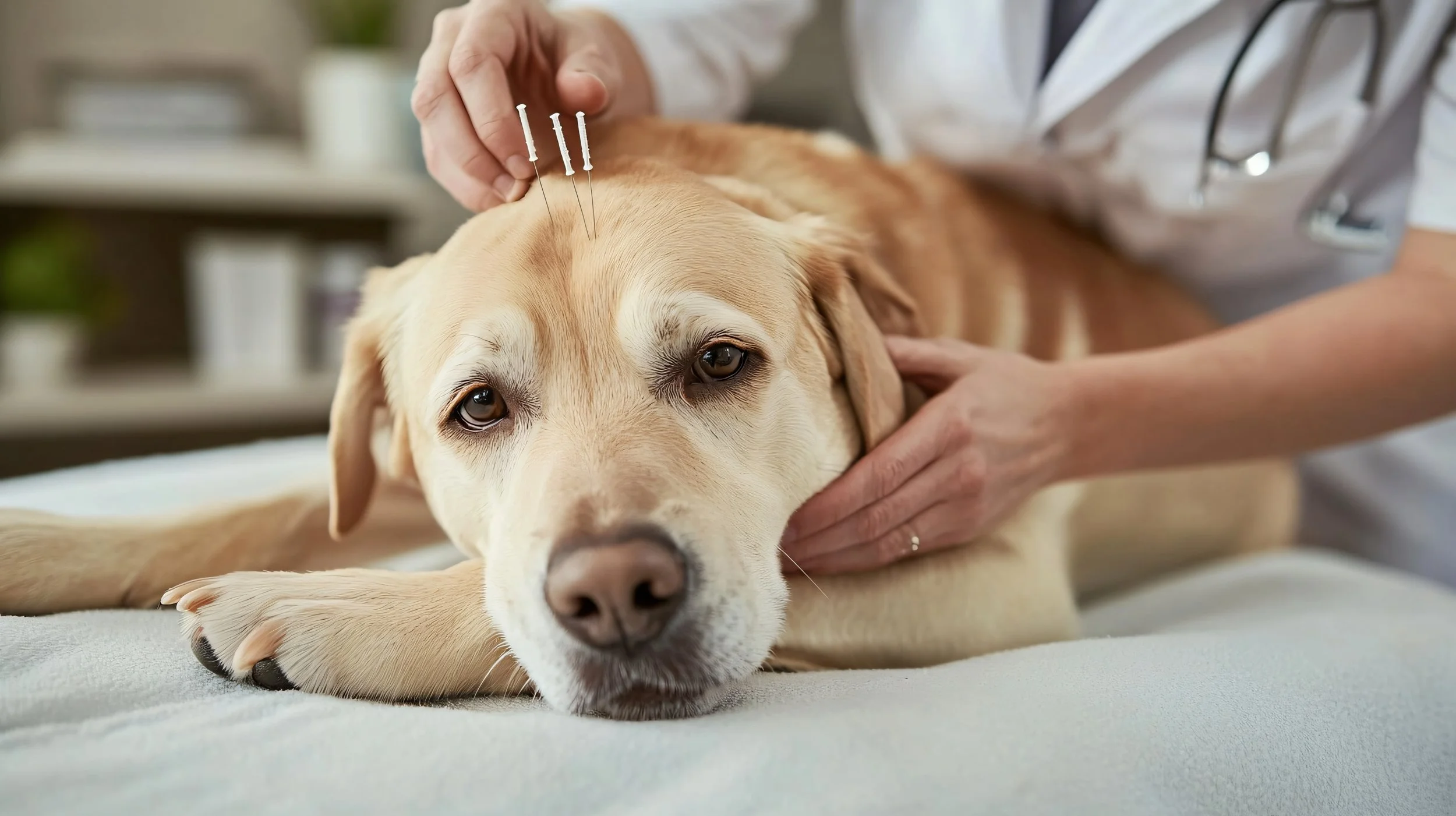
Acupuncture is a cornerstone of traditional Chinese medicine and has been adapted effectively for veterinary use. In veterinary acupuncture, very fine needles are gently placed into targeted acupoints, which are specific areas associated with nerves, blood vessels, and energy pathways.
Supporting the Nervous System
When acupoints are stimulated, signals travel through the nervous system, encouraging the release of natural pain-relieving chemicals called endorphins. These endorphins help reduce chronic pain and promote a sense of relaxation and well-being.
Improving Blood Circulation
Better blood circulation increases oxygen delivery to stiff or damaged joints. Enhanced circulation supports the tissues around the affected areas, helping the body respond more effectively to inflammation.
Reducing Inflammation
Dogs with arthritis often experience ongoing inflammation that limits movement. Acupuncture therapy supports anti-inflammatory pathways, easing pressure and discomfort inside the joints.
Balancing the Immune System
Chronic pain can weaken the immune response over time. Acupuncture helps the immune system function more efficiently, supporting overall health and healing.
Because acupuncture is non-invasive and gentle, most dogs tolerate treatments very well. Some even relax or nap during their sessions.
Benefits of Acupuncture for Dogs With Arthritis
Acupuncture for dogs with arthritis is becoming increasingly popular because it works with the body’s natural healing processes. Many families notice significant improvements after several sessions.
1. Canine Arthritis Pain Relief
Acupuncture helps reduce chronic pain by supporting the release of endorphins and improving circulation. Dogs who previously struggled with everyday activities often show increased interest in walking, playing, or climbing stairs.
2. Support for Dog Mobility
Mobility often decreases as joint degeneration progresses. By reducing stiffness and promoting flexible movement, acupuncture enhances mobility and comfort. This makes it easier for dogs to move naturally throughout the day.
3. Better Quality of Life
Mobility and comfort affect emotional well-being. When chronic pain decreases, dogs become more social, active, and engaged with their families.
4. Gentle, Natural Support
Acupuncture does not interfere with most medications and can safely complement traditional pain management strategies.
5. Suitable for Senior Dogs
Senior dogs who cannot take certain medications due to kidney or liver sensitivities often respond very well to acupuncture.
Also explore this guide on Acupuncture for Pets Enhancing Senior Pet Health and Mobility.
Conditions That Improve With Veterinary Acupuncture
While arthritis is the most common condition treated with acupuncture, many other issues benefit from this holistic approach:
- Chronic pain can limit your dog’s daily activities and significantly affect overall comfort and long-term mobility.
- Joint degeneration linked to age gradually reduces flexibility and contributes to ongoing stiffness that makes movement increasingly difficult for senior dogs.
- Hip dysplasia and elbow dysplasia cause abnormal joint development that leads to pain, inflammation, and reduced mobility throughout a dog’s life.
- Intervertebral disc disease affecting mobility can compress spinal nerves and create significant discomfort, making walking or standing challenging for many dogs.
- Neurological imbalances that reduce movement interfere with nerve signaling, affecting coordination and limiting your dog’s ability to move comfortably.
- Inflammation affecting joint comfort increases stiffness and pain, making routine activities like walking or climbing stairs more difficult for arthritic dogs.
Because acupuncture supports the nervous system, it may also help dogs experiencing neurological discomfort or nerve compression.
What to Expect During an Acupuncture Session
A veterinary acupuncturist begins by evaluating your dog’s medical history, current symptoms, mobility level, and joint health. Once a treatment plan is created, the veterinarian gently places sterile acupuncture needles into targeted pressure points.
Most dogs remain calm throughout the session. Many even relax as endorphin release encourages a sense of comfort. Pet acupuncture does not require sedation, and sessions usually take between 15 and 30 minutes.
Treatment frequency varies. Dogs with mild arthritis may need only occasional support, while dogs with significant joint degeneration or chronic pain may benefit from weekly or biweekly sessions at first.
Supportive Therapies That Enhance Arthritis Management
Dogs with arthritis often benefit from a combination of strategies that improve joint function and mobility from different angles. Acupuncture works especially well when paired with additional support.
Here are supportive care options written as full sentences as requested:
- Weight management helps reduce the strain on painful joints, improving comfort and slowing down the progression of arthritis in older dogs.
- Hydrotherapy provides a form of low-impact exercise that strengthens muscles and supports mobility without putting pressure on sensitive joints.
- Physical therapy improves muscle tone and flexibility, helping arthritic dogs maintain strength and move more comfortably throughout the day.
- Laser therapy reduces inflammation and discomfort by stimulating tissue healing and enhancing circulation in arthritic areas.
- Dog joint supplements support cartilage health and help maintain smoother, more comfortable joint motion as dogs age.
- Senior wellness exams allow veterinarians to monitor arthritis progression closely and adjust pain management plans before symptoms worsen.
Integrating Acupuncture With Traditional Veterinary Medicine
Acupuncture is most effective when used alongside traditional veterinary care. Many dogs require a combination of medication, supplements, physical therapy, and lifestyle changes to achieve long-term comfort. An integrative approach supports the nervous system, immune system, and musculoskeletal system simultaneously.
During evaluations, the veterinarian assesses:
- Severity of joint degeneration
- Mobility limitations
- Presence of inflammation
- Overall comfort and quality of life
The goal is always to create a customized plan that matches the dog’s needs. Acupuncture serves as a safe, effective addition to help reduce chronic pain in a natural way.
Final Thoughts
Arthritis can make everyday movement difficult for aging dogs, and relying on medications alone often provides only temporary comfort. Acupuncture for dogs with arthritis offers a gentle, long-term approach that supports natural healing, reduces inflammation, and improves mobility. By stimulating targeted acupoints, this therapy enhances circulation, eases chronic pain, and helps maintain your dog’s quality of life as they grow older.
If your dog is showing signs of stiffness, difficulty standing, or reduced activity, it may be time to explore acupuncture as part of their pain management plan. At Kainer Veterinary Hospital, our experienced team provides safe, compassionate acupuncture therapy and personalized care to support joint health and overall comfort.
Call us today at (936) 321-2000 or visit Kainer Vet’s Acupuncture services to learn how we can help your dog find long-lasting relief from arthritis pain.
FAQs
1.What are the benefits of acupuncture for dogs with arthritis?
Acupuncture supports natural pain relief by improving circulation, reducing inflammation, and encouraging endorphin release. These effects help dogs move more comfortably, reduce stiffness, and enjoy a better quality of life. Many pets show noticeable improvements after consistent sessions.
2.Does acupuncture help canine arthritis pain relief?
Yes. Acupuncture helps manage canine arthritis pain relief by calming nerve pathways and reducing chronic inflammation. Dogs often feel more mobile and show increased interest in daily activities. It works especially well alongside supplements, physical therapy, and regular veterinary care.
3.How does acupuncture therapy improve dog mobility?
Acupuncture therapy stimulates pressure points that influence nerves and circulation. This relieves stiffness, encourages flexible movement, and reduces joint discomfort. Improved mobility helps dogs walk, climb, and play with greater comfort, even when dealing with long-term joint degeneration or arthritis.
4.Are there side effects of acupuncture for dogs with arthritis?
Side effects are rare. Some dogs may feel slightly tired after treatment or experience minor sensitivity at needle sites, but these effects fade quickly. Because the needles are extremely thin, acupuncture remains a safe and gentle therapy.
5.What is the best treatment for dog arthritis pain?
The best treatment includes weight management, supplements, medication, physical therapy, and acupuncture. Each dog’s needs differ, so veterinarians combine strategies to manage pain, support joint health, and maintain comfort. Acupuncture adds natural support that enhances long-term results.