

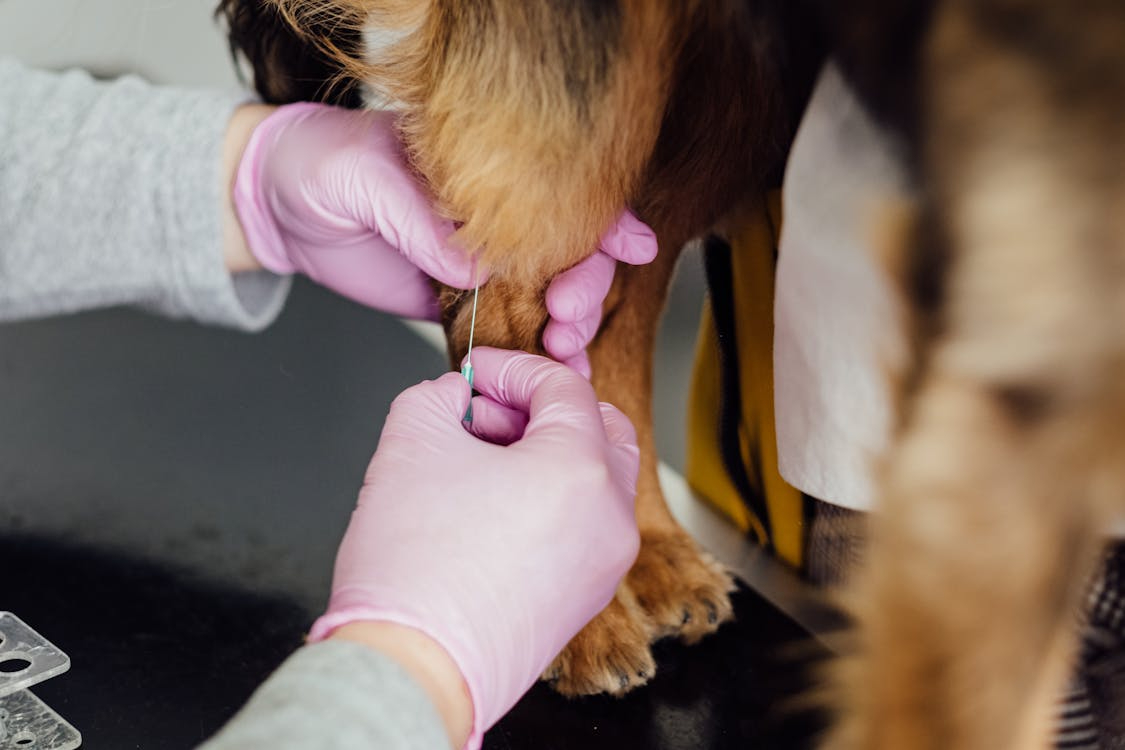
If your dog has been slowing down, struggling to get up from rest or showing less interest in walks and play, arthritis may be the reason. Arthritis in dogs is one of the most common sources of chronic pain in aging pets and for a long time the options for managing it centered around daily oral medications and supplements. That has changed. A newer treatment called Librela is giving many dogs meaningful relief from joint pain through a monthly injection that works in a fundamentally different way than traditional pain management approaches.
For pet owners hearing about this option for the first time, understanding what is Librela injection for dogs, how it works, who it is suitable for, and what to expect helps you have a more informed and confident conversation with your veterinarian. This guide covers everything you need to know about Librela for dogs from the science behind it to practical questions about its use.
What Is Librela?
Librela is a veterinary monoclonal antibody therapy approved for the treatment of pain associated with canine osteoarthritis. It was developed specifically to target a protein called nerve growth factor, or NGF, which plays a central role in transmitting pain signals from damaged or inflamed joints to the brain.
Unlike traditional anti-inflammatory drugs which work by broadly reducing inflammation in the body, Librela uses a targeted biological approach. The antibody in Librela binds to NGF and prevents it from connecting to the nerve receptors that carry pain signals. When those signals are blocked the dog experiences less pain from the affected joints without the drug affecting inflammation pathways or placing additional demands on the liver and kidneys.
Librela is given as a subcutaneous injection under the skin once a month by a veterinarian. It is not a steroid and it is not a traditional non-steroidal anti-inflammatory drug. It belongs to a newer class of therapies that have already transformed pain management in human medicine and are now proving valuable in veterinary care.
Why Canine Osteoarthritis Is So Significant
Canine osteoarthritis is not simply an old dog problem. It is estimated to affect one in five dogs over the age of one year and the numbers rise sharply in dogs over seven. It occurs when the cartilage cushioning the surfaces of the joints gradually breaks down. As cartilage thins, bones begin to contact each other during movement and the body responds with inflammation and the growth of bony deposits called osteophytes that further limit joint function.
The result is a cycle of pain, reduced activity, muscle loss from inactivity, and progressive joint deterioration. Dogs with arthritis often mask their discomfort in subtle ways. They may avoid stairs, hesitate before jumping, take longer to rise from rest, or simply seem less engaged with activities they previously enjoyed. By the time limping becomes obvious the condition has usually been building for quite some time.
Breeds that are larger, heavier, or genetically predisposed to joint problems are at higher risk. Labrador Retrievers, German Shepherds, Golden Retrievers, Rottweilers, and Great Danes all carry elevated risk. But any dog regardless of breed or size can develop osteoarthritis given enough time or as a consequence of prior injury.
For a broader overview of how arthritis develops and what the early signs look like, this guide on early signs of arthritis in dogs and how to spot joint pain early is a helpful starting point.
How Librela for Dogs Differs from Traditional Treatments
To appreciate what makes Librela a meaningful development it helps to understand how it compares to the approaches that have been used previously.
Traditional management of canine osteoarthritis has relied heavily on non-steroidal anti-inflammatory drugs given daily as oral tablets or chewable treats. These medications are effective at reducing inflammation and pain for many dogs. However they require daily owner administration which creates potential for missed doses. They also carry risks particularly with long-term use including effects on the gastrointestinal tract, kidneys, and liver. Dogs with pre-existing organ conditions may not be suitable candidates for these drugs or may only be able to use them at reduced doses with close monitoring.
Joint supplements containing glucosamine, chondroitin, and omega-3 fatty acids are widely used and support joint tissue health over time but their pain-relieving effect is modest and gradual.
Librela for dogs works upstream of the pain response itself rather than downstream of inflammation. By neutralizing NGF before it can transmit pain signals, it reduces the dog’s experience of pain at its source. Because it does not work through the same pathways as anti-inflammatory drugs it does not carry the same gastrointestinal or organ-related risks. This makes it potentially suitable for dogs who cannot safely use traditional medications due to kidney, liver, or stomach concerns.
It also removes the challenge of daily oral administration. A once-monthly injection given by the veterinarian means consistent dosing without relying on owner compliance every day.

Who Is a Good Candidate for Librela?
Librela is approved for dogs with pain associated with canine osteoarthritis and is prescribed based on a veterinary evaluation of the individual dog. It is not suitable for every dog and your veterinarian will consider several factors when assessing whether it is the right choice.
Dogs who may benefit most from Librela include those with confirmed osteoarthritis who are not achieving adequate pain control with existing treatments, those who cannot tolerate traditional anti-inflammatory drugs due to organ conditions, senior dogs where minimizing additional metabolic burden is a priority, and dogs whose owners find daily medication administration consistently difficult.
Librela is not recommended for use in breeding dogs, pregnant dogs, or lactating dogs based on current safety data. Dogs with certain immune conditions may also not be appropriate candidates. Your veterinarian will review your dog’s health history and current medications before recommending Librela.
What to Expect With Librela Treatment
Librela is given as a single subcutaneous injection once every four weeks. Most dogs tolerate the injection well with minimal reaction. The site of injection may occasionally show mild temporary swelling or sensitivity but this typically resolves quickly.
Clinical studies conducted before approval showed that many dogs demonstrated measurable improvement in pain and mobility within four weeks of the first injection. Some dogs respond more gradually and the full benefit may become more apparent after two to three monthly doses. As with any treatment for a chronic condition individual responses vary and your veterinarian will monitor progress to determine whether the treatment is providing sufficient benefit for your dog.
Improvements owners typically notice include:
- Greater willingness to rise from a resting position
- Increased interest in walking, play, or exploration
- Less hesitation before climbing stairs or jumping
- A more comfortable and relaxed resting posture
- Improved overall demeanor and engagement with daily activities
These quality of life changes can be significant for dogs who have been struggling with persistent joint pain. For dogs who show a positive response monthly injections can be continued as an ongoing part of their arthritis management plan.
How Librela Fits Into a Comprehensive Arthritis Management Plan
Librela is most effective when used as part of a broader approach to managing arthritis in dogs rather than as the only intervention. Chronic joint disease benefits from multiple complementary strategies working together.
Weight management is one of the most impactful things a pet owner can do alongside any medical treatment. Every pound of excess body weight places additional load on already compromised joints. Even a modest reduction in body weight can meaningfully reduce the physical strain on arthritic joints and improve the dog’s ability to move comfortably. For guidance on this topic, this resource on maintaining a healthy weight for your senior pet provides practical advice.
Complementary therapies offer additional layers of support. Acupuncture stimulates the nervous system to reduce pain perception and improve circulation in affected areas. Cold laser therapy uses focused light energy to reduce inflammation and promote tissue recovery at the cellular level and pairs well with Librela’s pain-blocking approach.
Veterinary orthopedic manipulation is another complementary option that focuses on improving joint alignment and mobility through targeted manipulation techniques. For a closer look at this therapy, this guide on the benefits of veterinary orthopedic manipulation for dogs covers what it involves and how it supports joint health.
Environmental modifications at home support your dog’s daily comfort. Orthopedic bedding, ramps instead of stairs, raised food and water bowls, and non-slip mats on smooth floors all reduce the demands placed on arthritic joints during everyday activities.
Physical rehabilitation exercises guided by your veterinarian or a trained rehabilitation therapist help maintain muscle mass and joint flexibility. Dogs with arthritis who remain appropriately active maintain stronger muscles around their joints which provides better stability and reduces the rate of further deterioration.
Nutritional support through diets enriched with omega-3 fatty acids and appropriate joint nutrients provides a foundation of anti-inflammatory support that complements medical treatment.
Monitoring Your Dog’s Response to Librela
Once Librela treatment begins your veterinarian will check in on your dog’s progress at follow-up appointments. These visits allow the vet to assess how much improvement has occurred, whether the dosing is appropriate, and whether any other adjustments to the management plan are needed.
At home you can support this monitoring process by keeping a simple daily log of your dog’s activity levels, willingness to move, ease of rising from rest, and any behavioral changes you notice. Having a written record of changes over time helps your vet make more accurate assessments of how well the treatment is working.
Watching for the subtle behavioral signals that indicate your dog may not be feeling their best is an important ongoing skill for owners of arthritic pets. For guidance on reading your dog’s non-verbal communication around pain, this article on understanding your pet’s pain and how to spot and manage it offers a helpful framework.
Safety Profile of Librela
The most commonly reported side effects in clinical trials were mild and localized including temporary swelling at the injection site in a small number of dogs. Systemic side effects were rare. Because Librela does not inhibit prostaglandins the way non-steroidal anti-inflammatory drugs do, it does not carry the same risk of gastrointestinal irritation or ulceration.
Kidney and liver function monitoring may still be appropriate in senior dogs as part of general wellness care but Librela itself is not processed through these organs in the same way oral medications are making it a potentially more suitable long-term option for dogs with compromised organ function.
As with any treatment that works through the immune system your veterinarian may want to discuss your dog’s full health history before starting Librela to identify any factors that could affect its suitability. Open communication about all current medications, supplements, and health conditions ensures your dog’s safety and the best possible outcome from treatment.
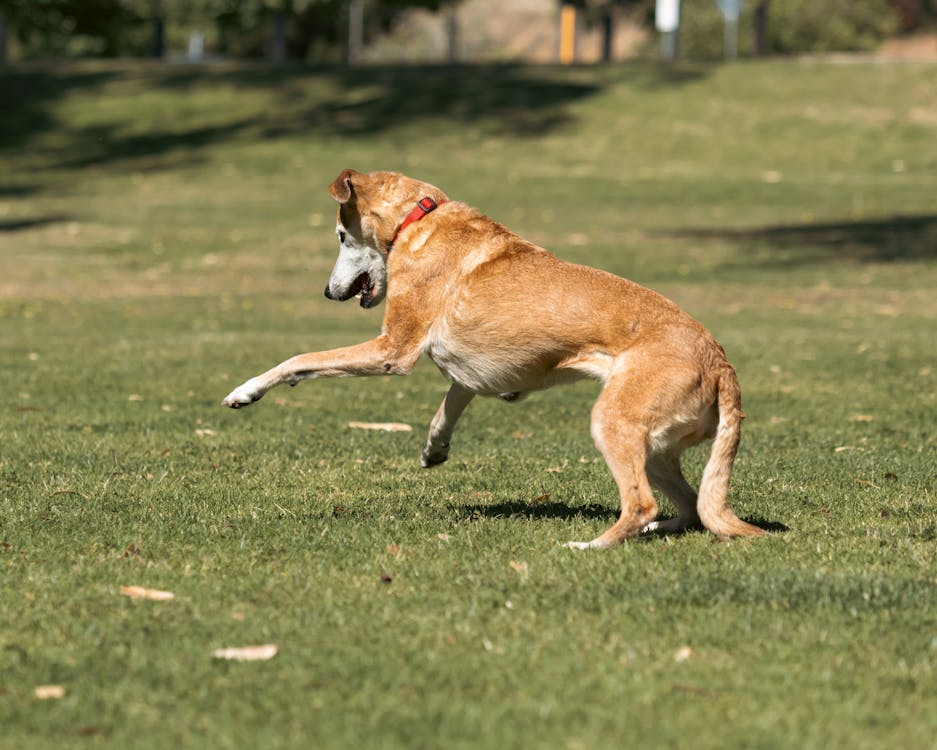
Recognizing When Your Dog May Need Arthritis Treatment
Many owners delay seeking treatment because their dog continues to function and they assume the changes they are seeing are just aging. Some degree of slowing down is normal with age but persistent pain is not something dogs should simply endure without support.
Key signs that your dog’s joint discomfort may have reached a point where treatment like Librela should be discussed with your vet include:
- Stiffness when rising that lasts for more than a few minutes
- Reluctance to go on walks they previously enjoyed
- Lagging behind during outdoor activities or tiring much more quickly
- Avoiding stairs, jumping into the car, or climbing onto furniture they previously accessed easily
- Visible changes in gait such as favoring one leg or moving with a shortened stride
- Reduced grooming of areas that require twisting such as the lower back and hindquarters
- Behavioral changes including increased irritability, reduced social engagement, or disrupted sleep
Seeking veterinary evaluation sooner rather than later allows your vet to confirm the diagnosis, assess the severity, and create a management plan before the condition progresses further. For a comprehensive look at how to manage arthritis pain in dogs and improve mobility through a range of approaches, this guide on how to manage your dog’s arthritis pain and improve their mobility covers the full range of options available.
Conclusion
For dog owners navigating the reality of a beloved companion dealing with joint pain, Librela represents a meaningful addition to the options available for managing arthritis in dogs. Understanding what is Librela injection for dogs helps owners recognize it not as a last resort but as a targeted and modern approach to pain management that can restore comfort and quality of life for dogs at various stages of canine osteoarthritis.
At Kainer Veterinary Hospital, our team provides comprehensive arthritis evaluations and personalized treatment plans tailored to each dog’s individual health profile. We offer Librela for dogs as part of a full range of arthritis management options including acupuncture, cold laser therapy, veterinary orthopedic manipulation, and supportive care. To learn more about whether Librela is right for your dog, visit our Librela for dogs service page or contact us today to schedule an appointment.
FAQs
Q: What is Librela injection for dogs and how does it work?
A: Librela is a monthly monoclonal antibody injection that targets nerve growth factor to block pain signals from arthritic joints. Unlike traditional anti-inflammatory drugs it works upstream of inflammation giving dogs meaningful relief from canine osteoarthritis without the organ-related risks of long-term oral medications.
Q: How quickly does Librela work with dogs?
A: Many dogs show improvement within four weeks of the first injection. Some respond more gradually with more noticeable benefits appearing after two or three monthly doses. Your veterinarian will monitor progress at follow-up visits and assess whether treatment is providing adequate pain relief for your individual dog.
Q: Is Librela safe for senior dogs with kidney or liver issues?
A: Librela is not processed through the kidneys or liver in the same way oral medications are which makes it a potentially suitable option for senior dogs with organ concerns. Your veterinarian will review your dog’s complete health profile before recommending it to ensure it is appropriate for their specific situation.
Q: Can Librela be used alongside other arthritis treatments?
A: Yes. Librela works well as part of a broader arthritis management plan that may include weight management, acupuncture, cold laser therapy, physical rehabilitation, joint supplements, and environmental modifications. Your veterinarian will guide you on which combination of approaches is best suited to your dog’s needs.
Q: How often does my dog need a Librela injection?
A: Librela is given once every four weeks as a subcutaneous injection administered by your veterinarian. Dogs who respond well to treatment can continue monthly injections as part of their ongoing arthritis management plan with regular monitoring to assess progress and adjust the overall care plan as needed.