

Contents
- 1 Understanding Allergies in Dogs
- 2 Symptoms of Winter Allergies in Dogs
- 3 What Are Allergy Shots for Dogs?
- 4 The Process: From Allergy Testing to Treatment
- 5 How Immunotherapy Works
- 6 Benefits of Allergy Shots for Dogs
- 7 Managing Food Allergies Alongside Environmental Allergies
- 8 Common Misconceptions About Allergy Shots
- 9 Possible Side Effects and Precautions
- 10 Alternatives and Complementary Treatments
- 11 Post-Treatment Monitoring and Maintenance
- 12 The Role of a Veterinarian in Allergy Management
- 13 Conclusion
- 14 FAQs
When winter arrives, many pet owners assume their dogs will finally get a break from seasonal allergies. Unfortunately, that’s not always the case. While pollen levels drop, other allergens such as dust, mold spores, and even indoor pollutants become more concentrated as homes are sealed against the cold. For dogs with environmental allergies, these triggers can lead to constant itching, discomfort, and secondary skin infections.
Thankfully, there’s a long-term and effective solution, allergy shots for dogs. Also known as immunotherapy or allergen-specific immunotherapy, these shots work with your dog’s immune system to reduce allergic reactions over time. In this detailed guide, we’ll explore how allergy shots help dogs find lasting relief, what the process involves, and how to manage related conditions like food allergies and flea allergy dermatitis during winter.
Understanding Allergies in Dogs
Allergies occur when a dog’s immune system overreacts to substances that are normally harmless, known as allergens. These allergens can include environmental triggers like tree pollens, grass pollens, weed pollens, dust, mold spores, or even certain foods. When exposed, the body releases histamines, causing symptoms such as itching, redness, inflammation, and recurrent ear or skin infections.
Common allergens that affect dogs during winter include:
- Dust and dust mites: Found in bedding, carpets, and heating systems.
- Mold spores: Thrive in damp indoor environments during colder months.
- Indoor dander and fabrics: Blankets, furniture, or heaters can trap allergens.
In addition to environmental allergies, some dogs also suffer from food allergies or food intolerance. These can worsen winter symptoms since dogs spend more time indoors, eating a consistent diet that might contain allergenic ingredients such as beef, chicken, or grains.
Symptoms of Winter Allergies in Dogs
The symptoms of environmental allergies often overlap with those of food allergies, making diagnosis tricky without allergy testing. Typical signs include:
- Persistent itching, especially around the face, paws, ears, or belly
- Red or inflamed skin
- Frequent licking or chewing of the feet and body
- Recurrent skin infections or hot spots
- Ear infections or head shaking
- Hair loss or flaky skin
If left untreated, continuous scratching can lead to open wounds that may require antibiotics or other medical treatments. That’s why addressing the root cause with allergy shots for dogs can be a game changer.
What Are Allergy Shots for Dogs?
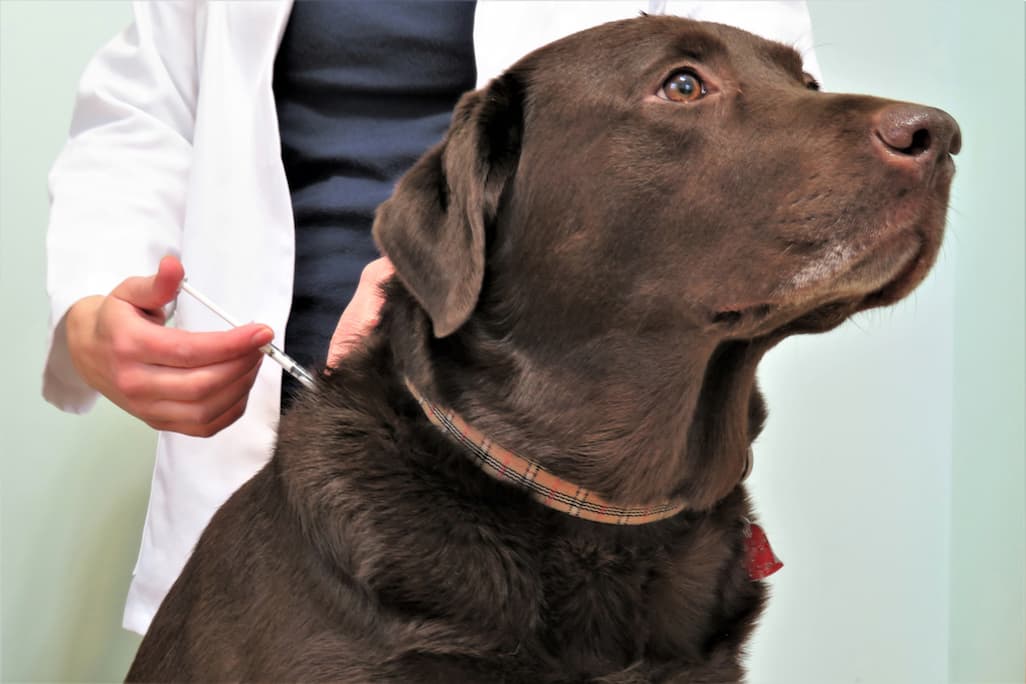
Allergy shots, or immunotherapy, are a veterinary treatment designed to help desensitize your dog’s immune system to specific allergens. Instead of masking symptoms like antihistamines or steroids (such as dexamethasone), immunotherapy targets the underlying cause of allergies by training the immune system to tolerate allergens over time.
The process involves administering gradually increasing doses of the allergen through injections until the body builds up resistance. Once tolerance is achieved, your dog receives a maintenance dose periodically to sustain the immune response.
This approach is particularly helpful for dogs with chronic environmental allergies, flea allergy dermatitis, or mild food allergies that do not respond to diet changes alone.
The Process: From Allergy Testing to Treatment
- Allergy Testing: Before beginning immunotherapy, your veterinarian or veterinary dermatologist must identify which allergens trigger your dog’s symptoms. There are two main types of allergy tests:
- Skin testing: Also known as intradermal testing, this involves injecting small amounts of different allergens into your dog’s skin and observing reactions. It is considered the most accurate method.
- Blood testing: A blood sample is analyzed to detect antibodies to specific allergens. This method is less invasive and suitable for dogs that cannot undergo sedation.
- Skin testing: Also known as intradermal testing, this involves injecting small amounts of different allergens into your dog’s skin and observing reactions. It is considered the most accurate method.
- Testing typically screens for tree pollens, weed pollens, grass pollens, dust, mold spores, and fleas, the most common causes of environmental allergies.
- Formulating the Allergy Shot: Once allergens are identified, a customized solution is created containing those allergens in controlled doses. The formulation is tailored specifically to your dog’s sensitivities.
- Administering the Shots: Initially, your veterinarian may administer the allergy shots in the clinic. Later, many owners learn how to give injections at home. The treatment begins with small doses that gradually increase over several weeks or months until reaching the maintenance dose.
- Monitoring and Adjustments: During treatment, your vet will monitor your dog’s progress closely. Some dogs may experience mild swelling or soreness at the injection site, but severe reactions are rare. In cases of significant inflammation or itching flare-ups, medications may be prescribed temporarily.
Also check out this guide on How to tell if your pet has seasonal allergies for more information on their symptoms.
How Immunotherapy Works
The principle behind immunotherapy is simple but powerful. By exposing your dog’s immune system to tiny amounts of allergens, it gradually becomes desensitized. Over time, the immune system stops overreacting, leading to reduced allergic symptoms.
This process helps:
- Decrease the frequency and severity of allergic flare-ups.
- Reduce dependence on medications such as antihistamines or steroids.
- Improve overall comfort and quality of life for your pet.
Unlike temporary relief options, allergy shots address the root cause of allergies, making them a long-term solution rather than a quick fix.
Benefits of Allergy Shots for Dogs
- Long-Term Relief
Unlike topical treatments or short-term medications, allergy shots for dogs provide long-lasting relief by modifying the immune response. Many dogs experience a noticeable reduction in symptoms within 6 to 12 months.
- Fewer Side Effects
Compared to steroids like dexamethasone, immunotherapy has minimal side effects. It does not cause weight gain, increased thirst, or mood changes that are often associated with corticosteroid use.
- Reduced Need for Antibiotics
By minimizing allergic reactions and skin infections, allergy shots decrease the need for antibiotics, helping prevent antibiotic resistance and improving your dog’s skin health naturally.
- Customized Treatment
Every dog’s allergy profile is unique. Immunotherapy is tailored to each dog’s allergens, ensuring the best possible results.
- Improved Overall Health
Dogs that receive allergy shots often enjoy better sleep, healthier skin, and increased energy. Addressing itching and inflammation helps restore their coat’s shine and supports their immune system.
Managing Food Allergies Alongside Environmental Allergies
While allergy shots are highly effective for environmental allergies, they do not treat food allergies directly. However, managing both conditions simultaneously can lead to better results.
If your dog suffers from food allergies, your veterinarian may recommend an elimination diet to identify the trigger ingredients. Common allergens include chicken, beef, dairy, or grains. Once identified, switching to a hypoallergenic or limited-ingredient diet can alleviate food intolerance symptoms.
Combining proper nutrition with immunotherapy ensures a holistic approach to your dog’s health.
Common Misconceptions About Allergy Shots
Myth 1: Allergy Shots Work Instantly
While some dogs show improvement within a few weeks, most require several months to build tolerance. Consistency is key, allergy shots are a gradual, long-term solution.
Myth 2: Allergy Shots Are Expensive
The allergy shot cost can vary depending on your dog’s size, allergens, and treatment duration. However, when compared to lifelong medication, frequent vet visits, and recurring skin infections, immunotherapy is cost-effective in the long run.
Myth 3: Allergy Shots Are Painful
The injections are small and administered under the skin. Most dogs tolerate them well, especially once they get used to the routine.
Myth 4: Only Dogs with Severe Allergies Need Shots
Even dogs with moderate environmental allergies benefit from allergen-specific immunotherapy. Early intervention helps prevent symptoms from worsening over time.
Possible Side Effects and Precautions
Allergy shots for dogs are generally safe, but mild side effects can occur, including:
- Temporary redness or swelling at the injection site
- Mild fatigue or itching after injection
Severe allergic reactions are rare but possible. If your dog shows symptoms like vomiting, excessive swelling, or difficulty breathing after a shot, contact your veterinarian immediately.
To minimize risks, allergy shots should always be prescribed and monitored by a veterinary dermatologist or experienced vet familiar with immunotherapy protocols.
Alternatives and Complementary Treatments
While allergy shots are highly effective, some dogs may benefit from complementary approaches to enhance their recovery:
- Apoquel and Cytopoint: These medications help manage symptoms like itching while immunotherapy takes effect.
- Medicated shampoos: Regular baths with hypoallergenic or oatmeal shampoos soothe irritated skin.
- Omega-3 supplements: Support skin health and reduce inflammation.
- Environmental cleaning: Regularly wash bedding and vacuum carpets to reduce exposure to dust and mold spores.
If your dog also suffers from flea allergy dermatitis, adding a year-round flea control treatment such as Bravecto Quantum, an annual injection for flea and tick prevention, can help eliminate additional triggers that worsen allergic reactions.
Post-Treatment Monitoring and Maintenance
Once your dog reaches the maintenance dose, continued monitoring is essential. You’ll need regular checkups to assess progress and make adjustments as needed. Your veterinarian may recommend follow-ups every 6 to 12 months to ensure the treatment remains effective.
It’s also important to maintain a clean, allergen-free environment at home. Wash your dog’s bedding frequently, clean air filters, and use a humidifier to reduce airborne irritants.
The Role of a Veterinarian in Allergy Management
Your veterinarian or veterinary dermatologist plays a vital role in diagnosing and managing your dog’s allergies. They will perform skin testing or blood testing, determine the best treatment plan, and monitor your dog’s progress. They also provide guidance on post-surgery care, nutritional needs, and lifestyle adjustments that improve your dog’s comfort and overall well-being.
Conclusion
Winter doesn’t always mean relief for allergic dogs. Trapped indoor dust, mold spores, and other environmental allergens can make symptoms worse. Fortunately, allergy shots for dogs offer an effective, long-term solution that goes beyond temporary fixes. By retraining the immune system through immunotherapy, these shots provide lasting allergy relief, reduce skin infections, and improve your dog’s quality of life.
If your dog shows signs of constant scratching, licking, or recurring infections, it may be time to consult your veterinarian about allergy shots. At Kainer Veterinary Hospital, our experienced team provides advanced allergy testing, immunotherapy, and holistic care to ensure your pet enjoys comfort all year round.
Call us today at (936) 321-2000 or visit Kainer Vet’s Allergy Services to learn more about how we can help your dog find relief from winter allergies.
FAQs
1.Are allergy shots worth it for dogs?
Yes, allergy shots are worth it for many dogs with chronic environmental allergies. They target the root cause rather than masking symptoms, reducing flare-ups, itching, and infections. Over time, immunotherapy can significantly improve long-term comfort, skin health, and quality of life.
2.What shots do dogs need for allergies?
Dogs with environmental allergies often receive allergen-specific immunotherapy, commonly called allergy shots. These injections contain tiny amounts of allergens like dust mites, mold spores, and pollens. They help retrain the immune system, reducing reactions and preventing ongoing skin irritation or secondary infections.
3.How long do dogs need to take allergy shots?
Most dogs stay on allergy shots for months to years. Initial improvement appears within 3–12 months, followed by long-term maintenance doses. Some dogs continue lifelong immunotherapy, while others eventually require less frequent injections based on their veterinarian’s guidance and symptom control.
4.How do I know if my dog needs an allergy shot?
Your dog may need allergy shots if they experience constant itching, red skin, frequent ear infections, or recurring hot spots. When symptoms persist despite antihistamines, medicated shampoos, or food trials, allergen-specific immunotherapy is often recommended by veterinarians for long-term relief.
5.How to get rid of dog allergies permanently?
There is no permanent cure for environmental dog allergies, but immunotherapy offers the closest long-term solution. By reducing the immune system’s overreaction, allergy shots help minimize symptoms. Combined with environmental cleaning and nutrition, many dogs achieve near-complete symptom control.