

Contents
- 1. Why Diagnostic Testing Matters for Pets
- 2. What Happens During a Veterinary Diagnostic Visit
- 3. Common Pet Diagnostic Tests Explained
- 4. When to Start Diagnostic Testing
- 5. How to Prepare Your Pet for Diagnostic Tests
- 6. Understanding Your Pet’s Test Results
- 7. The Role of Diagnostics in Ongoing Pet Care
- 8. What the Sources Cannot Tell You
- 9. Building a Health Baseline for Your New Pet
- 10. Sources
- 11. FAQs
- 11.1. Q: How often should my pet have diagnostic tests done?
- 11.2. Q: Are pet diagnostic tests painful for my dog or cat?
- 11.3. Q: What is the difference between a blood chemistry panel and a complete blood count?
- 11.4. Q: Can diagnostic tests detect cancer in pets
- 11.5. Q: What should I do if my pet’s test results come back abnormal?
Bringing home a new pet comes with a long list of firsts, from the first night to the first visit to the veterinarian. Pet diagnostic tests can feel like a mystery at first, so this friendly guide explains what they are and why veterinarians recommend them.
Pets hide illness, so early disease detection depends on testing. This guide explains what the common tests check and when they are used. It also covers how to prepare and how to read results. For our testing services, see our veterinary diagnostic page.
Why Diagnostic Testing Matters for Pets
Animals often hide discomfort, so a problem can be well along before it is noticed. Routine and targeted testing helps find disease earlier and gives your veterinarian a baseline to compare against later. For why preventive visits matter, see this guide on preventive care for pets and early detection.
What Happens During a Veterinary Diagnostic Visit
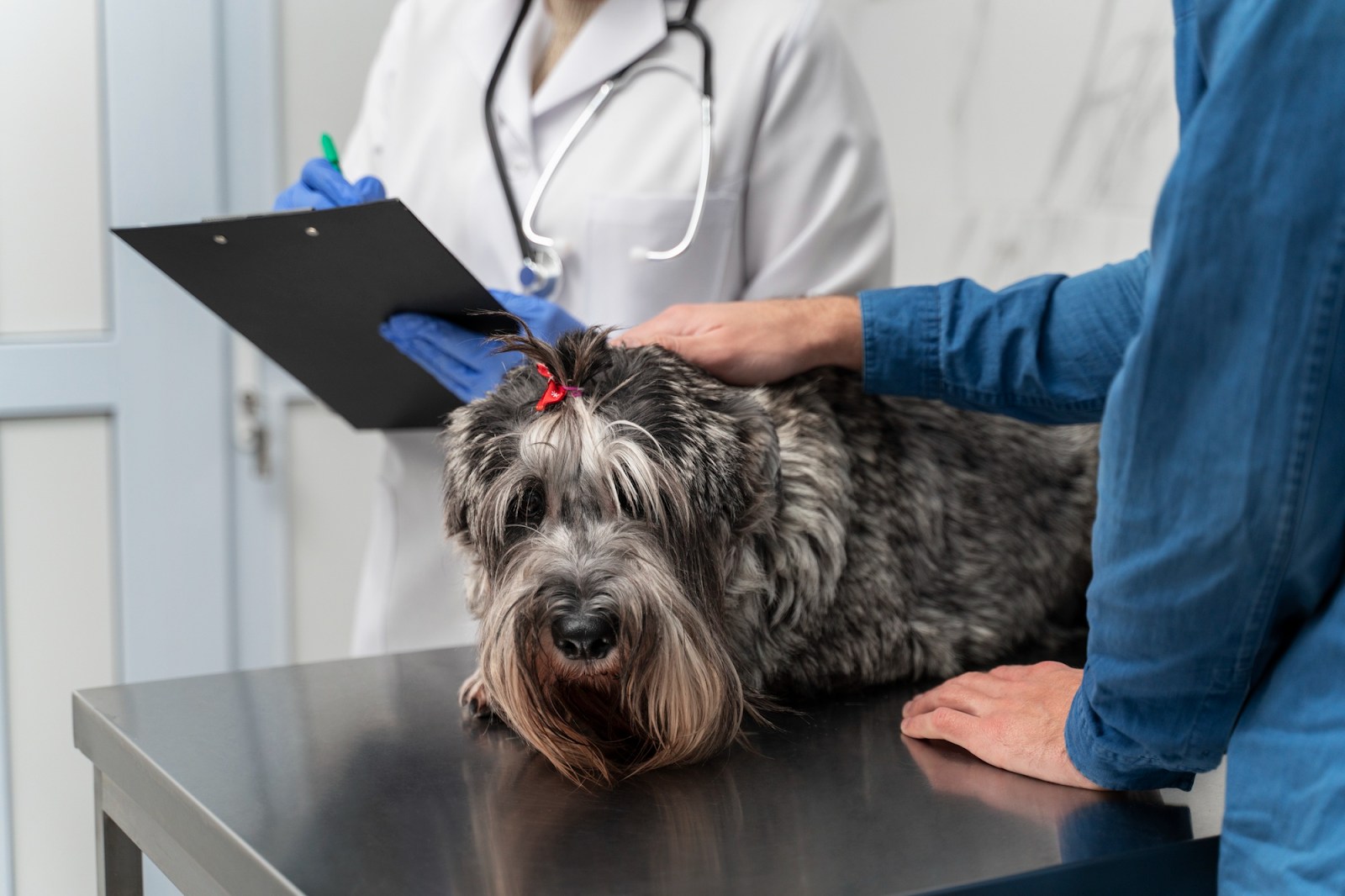
A pet health check starts with a physical exam of weight and temperature and heart and lungs and coat and eyes and ears and lymph nodes. Your veterinarian then recommends tests based on age and breed and lifestyle and symptoms. In a healthy young pet testing sets a baseline. In an older or sick pet it helps find the source of a problem.
Common Pet Diagnostic Tests Explained
The table shows the tests and the frequencies AAHA lists for senior pets.
Test | What it checks | AAHA frequency for seniors |
Complete blood count | Blood cells and signs of infection or anemia | Every 6 to 12 months |
Chemistry panel | Organ values and blood sugar and electrolytes | Every 6 to 12 months |
Urinalysis | Kidney function and infection and sugar in the urine | Every 6 to 12 months |
Fecal test | Intestinal parasites | 1 to 4 times a year for dogs and 1 to 2 for cats |
Heartworm test | Heartworm infection in dogs | Annually |
Thyroid hormone test | Thyroid function | Annually |
Blood pressure | High blood pressure | Annually |
Blood Work
A complete blood count looks at red and white blood cells and platelets. A chemistry panel looks at organ function and blood sugar and electrolytes. New pets often get these tests at a first wellness visit to set a baseline. See also this resource on common health issues in senior dogs and cats.
Urinalysis
A urine test checks concentration and the presence of blood or crystals or infection or sugar. It adds information that blood work alone cannot. See this guide on kidney disease in cats you should not ignore.
Fecal Examination
A fecal test looks for intestinal parasites such as roundworms and hookworms and giardia. Pets can carry parasites without signs and some can affect people, so testing protects the household. For more, see this resource on parasites and your pet’s health.
Heartworm Testing
The American Heartworm Society recommends annual antigen and microfilaria testing in dogs along with year round prevention. AAHA lists annual heartworm testing for senior dogs and refers cat testing to the AHS guidelines, so ask your veterinarian about your cat. See this guide on protecting your pet from heartworms.
X Rays and Ultrasound
Radiographs show bones and the chest and abdominal organs and help find fractures and swallowed objects and changes in the lungs and heart size. Ultrasound shows soft tissue organs in real time and can show fluid or masses that X rays miss. An echocardiogram is a heart ultrasound. See this article on why early detection of heart disease in pets is crucial. Each test has limits, and your veterinarian often combines them with blood work.
Thyroid Testing
A blood test measures thyroid hormone. AAHA lists annual thyroxine testing for senior pets, which is how an overactive thyroid in older cats is often found.
Allergy and Skin Testing
Itching and hair loss and ear infections have several causes. The AAHA allergic skin disease guidelines state that food allergy in cats can only be diagnosed with an elimination diet trial and that the gold standard in dogs is an 8 week elimination diet trial followed by a rechallenge. A blood panel cannot replace that trial. For more, see this guide on how to treat and prevent skin conditions in pets.
When to Start Diagnostic Testing
Start at the first visit. Your veterinarian decides which baseline tests fit your pet’s age and background. A fecal test is commonly part of a new pet visit. AAHA’s senior guidelines cover pets in later life. For routine visits, see this piece on why regular vet checkups are the best gift for your pet’s health.
How to Prepare Your Pet for Diagnostic Tests
Your veterinarian will say whether fasting is needed before blood work or imaging. Bring a fresh stool sample if a fecal test is planned. Keeping your pet calm helps with measurements such as blood pressure. Ask what each test checks so you understand the plan.
Understanding Your Pet’s Test Results
Ask your veterinarian to explain the results in plain language. Values that are slightly out of range may need a repeat test and not treatment. Keep copies of records so you can track changes over time and share them with a specialist.
The Role of Diagnostics in Ongoing Pet Care
Testing is not only for sick pets. AAHA’s recommended schedule for seniors shows how routine panels and screening continue through life. For more on warning signs between visits, see this guide on how to spot early signs of illness in your pets.
What the Sources Cannot Tell You
The AAHA schedule is written for senior pets, and the sources give no standard schedule for healthy adults. AAHA’s senior guidelines were supported by Boehringer Ingelheim Animal Health and CareCredit and IDEXX and Zoetis. No test is perfect, and results need your veterinarian’s judgment.
Building a Health Baseline for Your New Pet
A baseline gives your veterinarian something to compare against when your pet’s health changes. Start with a first visit and keep the records.
At Kainer Veterinary Hospital, our team provides diagnostic services from routine blood work and parasite screening to imaging. Contact us today to schedule your pet’s first wellness visit.
Sources
American Animal Hospital Association, 2023 AAHA Senior Care Guidelines for Dogs and Cats (2023).
Professional guidelines supported by Boehringer Ingelheim Animal Health, CareCredit, IDEXX and Zoetis.
Supports the test list and the frequencies in the table.
American Heartworm Society, Summary of the Canine Guidelines (2014).
Professional society.
Supports annual heartworm testing and year round prevention.
American Animal Hospital Association, 2023 AAHA Management of Allergic Skin Diseases in Dogs and Cats Guidelines, JAAHA (2023).
Professional guidelines supported by Hill’s Pet Nutrition, Merck and Zoetis.
Supports the elimination diet trial for food allergy.
FAQs
Q: How often should my pet have diagnostic tests done?
A: AAHA lists blood work and urinalysis every 6 to 12 months for senior pets. Your veterinarian sets the schedule for younger adults from age and health.
Q: Are pet diagnostic tests painful for my dog or cat?
A: Most tests are quick. A blood draw can cause brief discomfort. X rays and ultrasound do not hurt, though some pets need gentle handling to stay still.
Q: What is the difference between a blood chemistry panel and a complete blood count?
A: A complete blood count looks at blood cells. A chemistry panel looks at organ values and blood sugar and electrolytes. They are often run together.
Q: Can diagnostic tests detect cancer in pets
A: Tests can raise suspicion or confirm it. Imaging can show masses and a sample of cells or tissue is needed to identify most tumors. The American College of Veterinary Surgeons states that a needle aspirate diagnoses a mast cell tumor in almost all cases. Blood work alone cannot diagnose cancer.
Q: What should I do if my pet’s test results come back abnormal?
A: Stay calm and ask your veterinarian to explain. Slightly abnormal values may need a repeat test. Your veterinarian will recommend the next step.