

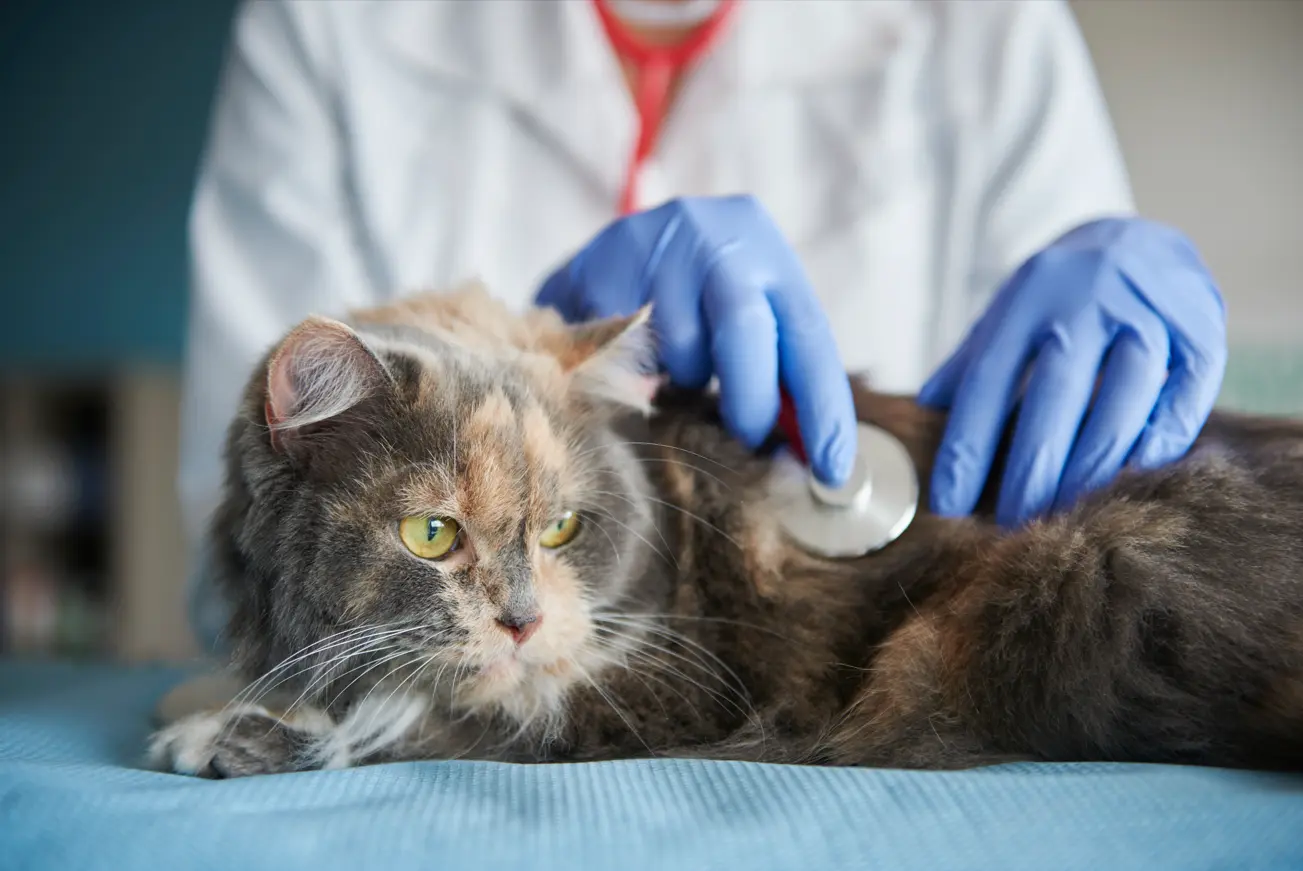
Cats are masters at masking discomfort, which makes it difficult for pet owners to spot early health issues. This is especially true for the symptoms of heart disease in cats, as many signs appear subtle, slow, or easy to confuse with normal aging. Because heart problems in cats often progresses quietly, early detection can make a significant difference in long-term health, comfort, and quality of life. Caring for a cat with developing heart problems requires awareness of the warning signs, especially the ones that can be overlooked in daily routines.
While some cats show noticeable symptoms during congestive heart failure, many display small behavioral or physical changes long before the condition becomes severe. By learning how to recognize these hidden indicators, you can help ensure your cat receives timely veterinary cardiology support. Early diagnosis through tools such as blood tests, chest X-rays, and echocardiograms allows veterinarians to begin cardiac medications and monitoring plans that improve comfort and slow disease progression.
Why Heart Diseases in Cats are Often Missed
Heart disease in cats develops quietly, making early signs easy to overlook. Unlike dogs, cats rarely cough in the early stages, and many remain active despite heart enlargement or changes in blood pressure. Conditions such as congestive heart failure often progress slowly, and because cats instinctively hide weakness, they continue grooming and interacting normally even when experiencing oxygen deprivation or early cardiac changes.
Many symptoms also mimic other common conditions. Lethargy, decreased activity, and weight loss can resemble kidney disease, arthritis, stress, or hyperthyroidism. Indoor cats may show only subtle breathing changes, like a slightly increased respiratory rate during sleep, which is easy to miss. These factors make early recognition challenging and highlight the importance of spotting hidden symptoms as soon as possible.
Subtle Symptoms of Heart Problems in Cats
These early symptoms often go unnoticed but are important to address.
1. Mild Lethargy or Decreased Activity
A cat with early heart disease may seem slightly less active or sleep more than usual. While lethargy can be related to many conditions, ongoing fatigue often results from reduced oxygen delivery caused by heart rhythm abnormalities or weak cardiac function.
2. Subtle Changes in Breathing
Cats in early stages may breathe a little faster or take shallow breaths.
Watch for:
- Increased respiratory rate during rest
- Slightly noticeable belly movement while breathing
- Occasional labored breathing when stressed
If fluid buildup develops, respiratory distress becomes more apparent, and breathing may become more rapid or strained.
3. Decreased Appetite or Gradual Weight Loss
Cats experiencing heart disease often show decreased appetite. Over time, weight loss may occur due to increased energy expenditure and reduced oxygenation. Although loss of appetite is common in many diseases, combined with other subtle signs, it becomes more concerning.
4. Changes in Gum Color
Healthy cat gums appear pink. Pale gums may indicate reduced blood flow, while blue gums can signal oxygen deprivation. Both can be signs of developing heart issues in cats.
5. Occasional Gagging or Cough-Like Movements
Although coughing is not a common early symptom, some cats may gag or make throat-clearing motions. This can occur due to fluid retention or pressure on the airway.
6. Difficulty Jumping or Playing
Heart problems reduce stamina. A cat that used to jump onto high surfaces may hesitate or avoid these activities. Even mild weakness can signal decreased cardiac output.
Moderate Symptoms That Require Prompt Attention
As heart disease progresses, symptoms become more noticeable.
1. Breathing Irregularities and Labored Breathing
Labored breathing often appears when fluid buildup develops around the lungs. This is one of the hallmark signs of congestive heart failure and requires immediate care.
Signs include:
- Open-mouth breathing
- Rapid breathing at rest
- Visible chest effort
- Strained posture with neck extended
Cats do not pant like dogs under normal circumstances, so open-mouth breathing is always concerning.
2. Gagging or Persistent Coughing
Though less common in cats than dogs, coughing can occur when the heart enlarges and pushes on the airways. Coughing combined with reduced activity typically points to cardiac concerns.
3. Weakness or Sudden Episodes of Collapse
Weakness may show up as hesitation to move or wobbling when walking. Sudden collapse may occur if blood pressure regulation drops sharply or if a cat experiences a sudden arrhythmia.
4. Distended Abdomen From Fluid Retention
Fluid retention, called ascites, may cause a swollen or rounded belly. This can occur during congestive heart failure as fluid leaks into the abdominal cavity.
You can also explore this guide on Why Early Detection of Heart Disease in Pets is Crucial.
Advanced Symptoms of Congestive Heart Failure in Cats
When heart disease reaches an advanced stage, symptoms become more dramatic and require emergency veterinary care.
- Severe Respiratory Distress: Open-mouth breathing and rapid respirations indicate oxygen deprivation. Cats may sit in a position that helps them breathe, often with elbows extended or legs spread.
- Blue or Pale Gums: This occurs due to limited oxygen distribution throughout the body.
- Sudden Collapse: A collapse event can be due to abnormal heart rhythm, blood clot formation, or dramatic heart failure.
- Fluid Retention and Extreme Lethargy: Advanced congestive heart failure leads to significant fluid buildup and severe weakness.
Recognizing these symptoms quickly can save a cat’s life.
Diagnostic Tools for Detecting Heart Issues in Cats
Veterinarians use multiple methods to evaluate heart function and identify both early and advanced disease stages.
- Blood Tests: Blood tests help assess organ function and detect secondary complications such as thyroid disease or elevated cardiac biomarkers that signal heart problems in cats.
- Chest X-Rays: Chest X-rays allow the veterinarian to evaluate heart enlargement, lung congestion, fluid buildup, and structural changes.
- Echocardiogram: An echocardiogram is one of the most important tools in veterinary cardiology. It provides a real-time image of the heart’s structure and movement, revealing valve function, chamber size, and heart rhythm abnormalities.
- Blood Pressure Measurement: Blood pressure regulation is essential for cardiac health. High blood pressure can worsen heart failure in cats, while low pressure may indicate impaired cardiac output.
Treatment Options and Management Strategies
While heart disease cannot always be cured, early intervention significantly improves comfort and quality of life.
- Cardiac Medications: Medications may be prescribed to reduce fluid retention, support heart contraction, stabilize heart rhythm, or control blood pressure. These medications help slow disease progression and manage symptoms.
- Monitoring Fluid Buildup: Owners may be instructed to monitor for fluid retention, increased respiratory rate, or changes in breathing pattern.
- Dietary Adjustments: Low-sodium diets may help reduce fluid buildup and support heart health.
- Ongoing Veterinary Care: Cats with heart disease require regular monitoring to ensure medications remain effective and symptoms do not worsen.
What Pet Owners Can Do at Home
Pet owners can monitor several important signs at home to help detect changes in their cat’s heart health. Tracking breathing rates while your cat is resting is especially valuable, as an increased respiratory rate is often one of the earliest indicators of worsening heart function. It is also important to monitor appetite and weight, since sudden loss of appetite or noticeable weight loss may signal that heart disease is progressing.
Observing daily activity levels can provide additional clues, as reduced playfulness or new reluctance to move often reflects declining comfort or stamina. Finally, always watch for emergency warning signs such as open-mouth breathing, blue gums, or sudden collapse. These symptoms require immediate veterinary care to protect your cat’s health and safety.
Conclusion
Heart disease in cats often develops quietly, making early symptoms easy to overlook. Subtle changes like mild lethargy, decreased activity, or slight breathing differences may be the first indicators of developing heart problems. Recognizing these hidden symptoms of heart problems in cats can help ensure your pet receives timely medical evaluations, accurate diagnostics, and appropriate treatment. With early intervention, many cats enjoy better comfort, improved heart function, and a stronger quality of life.
If your cat shows signs of labored breathing, reduced energy, or unexplained weight loss, it may be time to speak with your veterinarian about a cardiac evaluation. The experienced team at Kainer Veterinary Hospital provides advanced diagnostics, compassionate care, and customized treatment plans to support cats at every stage of heart disease.
Call us today at (936) 321-2000 to learn more about how we can help protect your cat’s heart health and overall wellbeing.
FAQs
1.What are early symptoms of cat heart disease?
Early symptoms include mild lethargy, decreased activity, subtle breathing changes, and gradual weight loss. These signs are often overlooked because they progress slowly. Monitoring your cat closely and scheduling routine veterinary exams can help detect heart disease before it becomes advanced.
2.How common is heart disease in cats?
Heart disease in cats is more common than many owners realize, especially in older cats or certain genetic breeds. Many cases go undiagnosed until symptoms progress, which is why routine checkups and early detection are crucial for long-term heart health.
3.What causes heart issues in cats?
Causes include genetic predisposition, structural abnormalities, high blood pressure, thyroid disorders, or age-related deterioration. Some cats develop cardiomyopathy without clear risk factors. Early diagnostic tests like chest X-rays and echocardiograms help identify the underlying cause and guide treatment.
4.How long can a cat live with heart disease?
Life expectancy varies widely depending on the type of heart disease, how early it is diagnosed, and how well it responds to treatment. With proper care, medication, and monitoring, many cats live comfortably for several years after diagnosis.
5.What are symptoms of end-stage congestive heart failure in cats?
End-stage signs include severe respiratory distress, open-mouth breathing, extreme weakness, fluid retention, and blue gums. These symptoms require immediate emergency veterinary care to stabilize breathing and manage fluid buildup around the lungs or heart.